Creating an Accessible Classroom: Practical Modifications for Learning Disabilities
Introduction
In today’s diverse educational landscape, we’ve come to realize that every student learns differently. For those with learning disabilities, traditional teaching methods can sometimes pose significant hurdles. Creating an accessible classroom isn’t just a responsibility; it’s a moral imperative that can transform the educational experience for countless learners. In this article, we will dive deep into Creating an Accessible Classroom: Practical Modifications for Learning Disabilities, providing insightful strategies, real-world applications, and motivational takeaways that can be integrated into any learning environment.
Understanding Learning Disabilities
Before we embark on practical modifications, it’s crucial to understand what learning disabilities entail. Learning disabilities (LD) refer to a variety of disorders that affect the brain’s ability to receive, process, and respond to information. Common types include dyslexia, dyscalculia, and ADHD, each presenting unique challenges.
The Scope of Learning Disabilities
According to the National Center for Learning Disabilities, around 1 in 5 children in the U.S. deals with some form of learning disability. This staggering number highlights the necessity for educators to equip themselves with the tools and knowledge required to create an inclusive classroom.
The Foundation of an Accessible Classroom
An Inclusive Mindset
Creating an accessible classroom begins with an inclusive mindset. Educators must foster an environment where diversity in learning is not only accepted but celebrated. This involves shifting perspectives and recognizing that each student’s educational journey is unique.
Universal Design for Learning (UDL)
Universal Design for Learning (UDL) is an educational framework that guides the development of flexible learning environments. By focusing on three primary principles—engagement, representation, and action & expression—UDL helps ensure that all students, regardless of their abilities, can thrive.
Table 1: UDL Principles Breakdown
| Principle | Description | Application |
|---|---|---|
| Engagement | Motivating students to take an active role | Use varied teaching methods |
| Representation | Presenting information in multiple formats | Incorporate videos, graphics, text |
| Action & Expression | Allowing students to demonstrate learning in different ways | Provide choices in assignments |
Practical Modifications for Learning Disabilities
1. Adjust the Physical Environment
Creating an accessible classroom begins with its layout. The way a room is structured can greatly affect how well students with disabilities can learn.
Case Study: Dynamic Classroom Setup
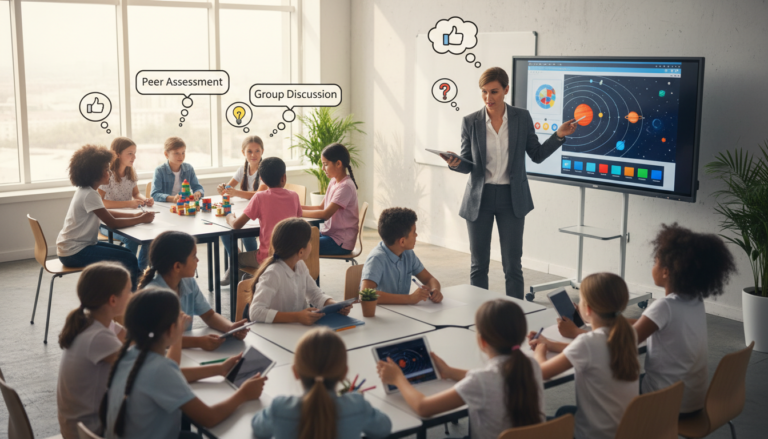
At Sun Valley Elementary, the physical setup of the classroom was revamped to include multiple learning stations with flexible seating arrangements. By employing bean bags, standing desks, and quiet corners, the teachers found that students were more engaged and responsive.
Analysis
This case illustrates that a flexible physical environment can accommodate different needs—enhancing focus for students with ADHD and providing comfort for those with dyslexia.
2. Curriculum Modification
Adapting the curriculum to meet varied learning needs is essential. This doesn’t mean lowering standards; instead, it involves making the content accessible.
Example Modification: Text-to-Speech Technology
Using text-to-speech software, teachers can offer students with dyslexia the opportunity to listen to reading material rather than solely relying on visual interpretation.
3. Use of Assistive Technology
The integration of technology can be life-changing for students with learning disabilities. Tools like speech recognition software, digital graphic organizers, and adaptive learning platforms can tailor the educational experience.
Case Study: Tech-Enhanced Learning
In a high school mathematics class, students with dyscalculia were introduced to apps that allowed them to visualize numbers and concepts. The result? Improved engagement and test scores—evidence of effective adaptation.
4. Collaborative Learning
Structuring lessons that promote collaborative work can provide social learning opportunities. Peer-to-peer learning allows students with disabilities to benefit from the insights of their classmates.
Example Implementation
For group assignments, teachers might consider using mixed-ability groups, where students with different strengths and weaknesses support one another.
Building Relationships with Families
Establishing a strong connection between the school and the family is vital. By engaging families in educational processes, schools can gather insights that may further assist in creating an accessible classroom.
The Importance of Communication
Teachers should foster open communication with parents, allowing for the exchange of strategies and successes. This collaboration not only strengthens familial bonds but also caters to the unique needs of students.
Empowering Educators
Professional development for educators is crucial in building an accessible classroom. Training on learning disabilities, inclusion strategies, and assistive technology can create a confident teaching staff.
Ongoing Education and Workshops
Regular workshops that educate teachers on the latest research and best practices in inclusion can be instrumental.
Conclusion
Creating an accessible classroom is more than mere compliance with educational standards; it’s about empowering every student to reach their fullest potential. As we’ve discussed under the theme of Creating an Accessible Classroom: Practical Modifications for Learning Disabilities, implementing thoughtful and straightforward strategies can lead to transformational experiences for students with learning disabilities.
Actionable Insights
- Reflect on your classroom’s layout and adjust where necessary.
- Incorporate assistive technologies to ease learning hurdles.
- Foster collaborative environments that empower peer learning.
By taking these steps, educators can pave the way for a more inclusive and enriched learning environment where every student truly belongs.
FAQs
1. What is a learning disability?
A learning disability is a neurological condition that affects a person’s ability to read, write, or process information.
2. How can I tell if a student has a learning disability?
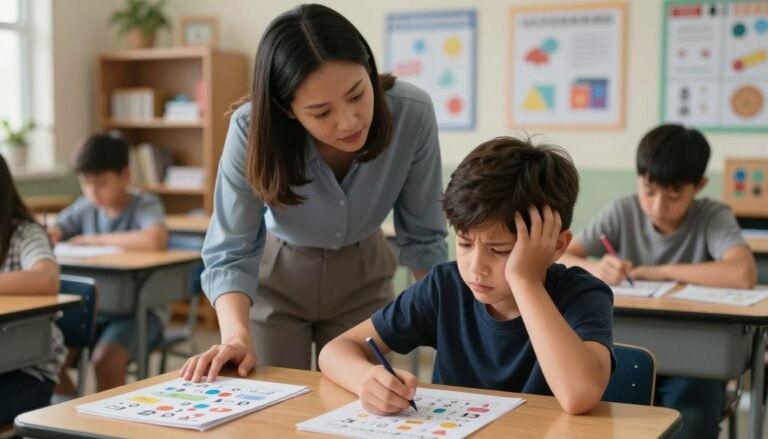
Signs can include difficulty with reading comprehension, inconsistent performance, and challenges in completing assignments.
3. What are some effective teaching strategies for students with learning disabilities?
Use multisensory teaching, differentiated instruction, and frequent feedback to cater to diverse learning styles.
4. How can I involve parents in creating an accessible classroom?
Invite parents to share insights about their child’s needs, and hold regular meetings to discuss progress and strategies.
5. Are there specific technologies that are particularly beneficial?
Yes, tools such as text-to-speech, graphic organizers, and educational apps can significantly aid learning.
6. What should I do if a student refuses to participate?
It’s essential to explore the reasons behind the reluctance. Offering choices, incorporating interests, and building trust can help encourage participation.
By focusing on these strategies, educators can truly harness the power of Creating an Accessible Classroom: Practical Modifications for Learning Disabilities, ensuring every learner is given the opportunity to succeed.
About the Author