Inclusive Education: Tailoring Classroom Environments for Students with Learning Disabilities
Introduction
In today’s diverse educational landscape, the concept of Inclusive Education: Tailoring Classroom Environments for Students with Learning Disabilities has never been more vital. As classrooms welcome students of varying abilities, educators are tasked with creating environments that foster learning for all, especially those with learning disabilities. But how can we effectively tailor our classrooms to support every student? This article delves deeply into the unique strategies, real-world case studies, and actionable insights that will empower educators to create inclusive, engaging, and effective learning spaces.
Understanding Learning Disabilities
Before diving into the specifics of inclusive education, it’s essential to understand what learning disabilities (LD) are. Learning disabilities refer to a variety of disorders that affect the ability to acquire and use skills related to reading, writing, reasoning, or mathematical abilities. These disabilities are not indicative of a person’s intelligence; in fact, many individuals with learning disabilities possess great potential.
Common Types of Learning Disabilities
- Dyslexia: Affects reading abilities, making it challenging to decode words.
- Dyscalculia: Impacts math skills, hampering the understanding of numbers and equations.
- Dysgraphia: Interferes with writing, affecting handwriting, spelling, and organizing thoughts on paper.
- Auditory Processing Disorder: Difficulties in understanding spoken language.
Understanding these variations is crucial for Inclusive Education: Tailoring Classroom Environments for Students with Learning Disabilities because it informs how educators can adapt their strategies to meet each student’s unique needs.
The Importance of Inclusive Education
Inclusive education is about more than simply accommodating students with learning disabilities; it’s about embracing and celebrating diversity in the classroom. When tailored appropriately, inclusive classrooms can benefit all students, fostering a community of collaboration and mutual respect.
Benefits of Inclusive Education
- Enhanced Social Skills: Students learn empathy and respect for differences, creating a supportive learning environment.
- Improved Academic Outcomes: Research has shown that students with disabilities in inclusive classrooms often achieve better academic results compared to those in segregated settings.
- Holistic Development: Inclusive education not only addresses academic needs but also nurtures emotional and social growth.
Strategies for Tailoring Classroom Environments
Creating an inclusive classroom involves various strategies. Here are some critical approaches to implement inclusive education effectively.
1. Flexible Seating Arrangements
Flexible seating allows students to choose where and how they sit. This strategy can significantly improve focus and comfort. Students with learning disabilities might benefit from alternative seating options such as bean bags, standing desks, or floor cushions.
Case Study: A second-grade classroom in California adopted flexible seating arrangements. Teachers reported an increase in student engagement and a decrease in disruptive behavior, demonstrating how simple changes can create a more inclusive environment.
2. Differentiated Instruction
Differentiated instruction addresses the diverse needs of students by tailoring lessons to accommodate different learning styles. Teachers can modify content, process, and product based on each student’s strengths.
Case Study: A middle school in Texas implemented differentiated instruction by offering various assignments that catered to different learning styles—visual, auditory, and kinesthetic. This approach resulted in higher engagement levels and improved performance among students with learning disabilities.
3. Use of Assistive Technology
Integrating technology into the classroom can make learning more accessible. Tools such as speech-to-text software, audiobooks, and interactive learning applications can empower students with learning disabilities.
Case Study: An elementary school in New York introduced assistive technology, including tablets equipped with educational apps tailored for students with dyslexia. This initiative improved reading fluency and comprehension, showcasing the potential of tech in Inclusive Education: Tailoring Classroom Environments for Students with Learning Disabilities.
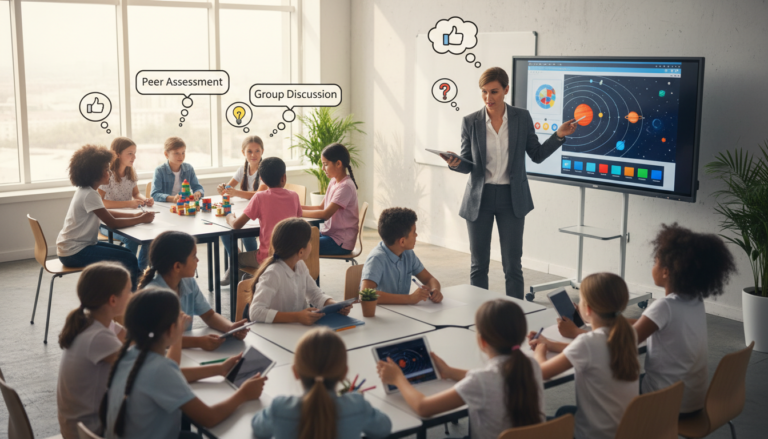
4. Collaborative Learning
Group work fosters cooperation and helps students learn from one another. By encouraging collaborative tasks, educators can create a supportive peer environment that boosts confidence.
Case Study: In a high school physics class, students were assigned to mixed-ability groups for project work. The collaborative approach allowed students with learning disabilities to gain insights from their peers, leading to better understanding and retention of complex concepts.
5. Constructive Feedback and Growth Mindset
Providing constructive feedback encourages students to grow and learn from their mistakes. Emphasizing a growth mindset helps students believe in their ability to improve and succeed.
Case Study: A math teacher focused on providing positive feedback and setting achievable goals for her students. As a result, students not only improved their math skills but also developed a more positive attitude towards learning, essential for Inclusive Education: Tailoring Classroom Environments for Students with Learning Disabilities.
Real-world Implementation: Creating an Inclusive Classroom
To effectively implement these strategies, educators must be proactive in creating a welcoming and inclusive atmosphere. Here are steps for real-world application:
1. Continuous Professional Development
Educators must engage in ongoing training to stay informed about the best practices in inclusive education. Workshops, webinars, and collaboration with special education experts can provide valuable resources.
2. Foster a Supportive Classroom Culture
Creating a culture that respects diversity is essential. Establish classroom norms that encourage kindness, patience, and understanding.
3. Regular Assessment and Review
Regularly assess the effectiveness of the inclusive strategies in place. Use student feedback, academic outcomes, and teacher observations to modify approaches as necessary.
4. Involve Parents and Guardians
Engaging parents in the educational process encourages collaboration and support at home. Regular communication can foster a stronger partnership between home and school.
5. Celebrate Successes
Recognize and celebrate the achievements of all students. This not only motivates learners but also reinforces the value of inclusion.
Challenges in Inclusive Education
While inclusive education presents numerous benefits, it is not without challenges. Some common obstacles include:
- Limited Resources: Schools often face budget constraints that limit access to necessary tools and materials.
- Teacher Training: Not all educators have received adequate training in inclusive practices, making it difficult to implement effective strategies.
- Time Constraints: Curricular demands can hinder the flexibility needed to cater to diverse learning needs.
Overcoming Challenges: Collaboration among educators, school administrators, and parents can create a support system that fosters inclusive practices.
Conclusion
Inclusive Education: Tailoring Classroom Environments for Students with Learning Disabilities is not merely a concept—it’s a commitment to fostering an environment where all students can thrive. By implementing innovative strategies, investing in professional development, and embracing collaboration, educators can significantly impact the lives of students with learning disabilities. The road to inclusivity may be paved with obstacles, but the rewards—academic success, enhanced social skills, and respectful communities—are well worth the effort.
FAQs
1. What is inclusive education?
Inclusive education is an approach where students of all abilities, including those with learning disabilities, learn together in the same environment. It focuses on providing support and accommodations to meet diverse needs.
2. How can I tell if my child has a learning disability?
Common signs include difficulty with reading, writing, understanding math concepts, or following spoken instructions. Consulting with professionals for assessment can provide clarity.
3. What types of accommodations can be made in the classroom?
Accommodations may include preferential seating, extra time for assignments, use of assistive technology, and modified instruction.
4. How can parents support inclusive education at home?
Encouraging children’s strengths, providing a structured learning environment, and maintaining open communication with teachers can support their success.
5. Are there specific teaching strategies for students with learning disabilities?
Yes, differentiated instruction, personalized learning plans, and the use of assistive technology are effective strategies tailored to students with learning disabilities.
6. How does inclusive education benefit all students?
Inclusive education fosters empathy, collaboration, and respect among students, enhancing social skills and academic performance for everyone in the classroom.
This comprehensive article serves as both a guide and a source of inspiration for educators committed to making their classrooms more inclusive. As we continue to explore and discuss Inclusive Education: Tailoring Classroom Environments for Students with Learning Disabilities, let us strive toward environments where every student is valued, understood, and equipped to succeed.
About the Author