Introduction: The Intersection of Heritage and Equality
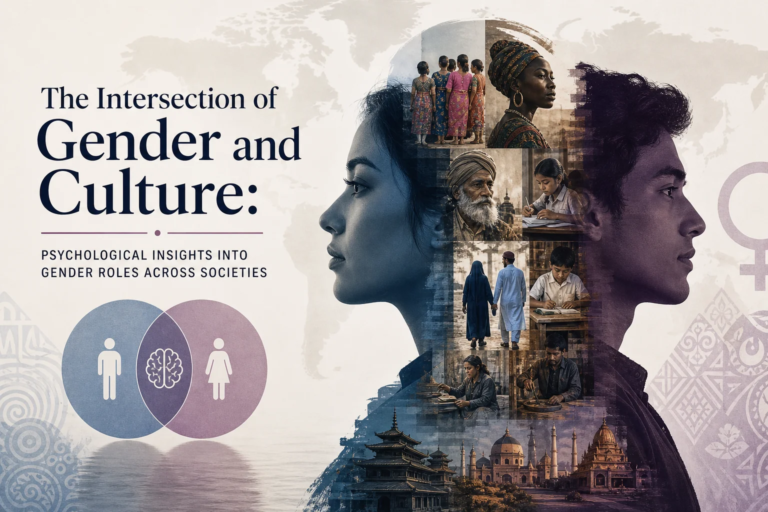
In our rapidly evolving global society, the conversation around Cultural Traditions vs. Gender Equality: Finding Common Ground has become increasingly vital. As diverse cultural identities shape our communities, the question arises: How do we balance the preservation of cherished traditions with the imperative for gender equality? This inquiry is not merely academic; it has real-world implications that touch upon human rights, social justice, and community development.
Throughout history, cultural traditions have been woven into the fabric of societies, providing a sense of belonging and identity. However, these traditions often instantiate gender roles that can restrict opportunities for women and marginalized genders. This creates a complex landscape where the values of equality and cultural heritage sometimes conflict, yet they can coexist harmoniously if approached thoughtfully.
In this article, we will explore this intricate relationship, shedding light on how societies can honor their traditions while championing gender equality.
Understanding Cultural Traditions
The Role and Importance of Cultural Traditions
Cultural traditions serve as the foundation upon which communities are built. They articulate shared values, foster social cohesion, and pass down collective wisdom through generations. Honoring cultural traditions can provide individuals with a sense of belonging and pride, enriching their identity and worldview.
However, some traditions perpetuate inequalities. For example, in many cultures, practices such as early marriage, strict dress codes, or limited educational opportunities for girls are justified as "tradition."
Case Study: The Plight of Child Marriage
In countries like India and Bangladesh, child marriage remains widespread in certain communities due to longstanding traditions. While these practices are rooted in historical contexts, they severely restrict young girls’ potential and freedoms. Advocacy groups have begun to address these issues by encouraging local communities to rethink traditions that hinder gender equality.
Change is Possible: The Shift Towards Inclusivity
It’s crucial to recognize that cultural traditions are not monolithic; they can evolve. Societies around the world are beginning to reinterpret traditions in ways that promote equality.
Example: The GIO and Gender Role Reassignment
In several indigenous cultures, traditional roles have been challenged. The GIO (Gender Inclusive Organizations) has advocated for the reassessment of gender roles in communities. They have navigated the delicate balance of respecting cultural traditions while promoting gender equality, demonstrating that change is possible without discarding cultural identity.
The Imperatives of Gender Equality
The Benefits of Gender Equality
Promoting gender equality is not just a moral obligation; it benefits society as a whole. Research shows that gender equality leads to economic growth, improved health outcomes, and greater innovation.
Chart 1: Economic Growth and Gender Equality
| Country | Gender Equality Index | GDP Growth Rate |
|---|---|---|
| Norway | 0.84 | 2.5% |
| Rwanda | 0.70 | 7.0% |
| Saudi Arabia | 0.60 | 1.2% |
Gender Equality in Practice: Success Stories
Many countries have made significant strides in promoting gender equality through policies and community engagement.
Case Study: Rwanda’s Gender Parity in Governance
Rwanda has become a frontrunner in gender equality, particularly in political representation. Post-genocide, the country implemented quotas that have resulted in over 60% female representation in Parliament. This initiative is a shining example of how cultural norms can shift to embrace gender equality.
Navigating the Tension: Cultural Traditions vs. Gender Equality
Finding Common Ground: Reinterpretation of Traditions
To strike a balance between cultural traditions and gender equality, communities must engage in dialogues that reinterpret traditions. Stakeholders—community leaders, educators, and advocates—can work together to create frameworks that celebrate cultural values while advancing gender rights.
Practical Approaches to Finding Common Ground
- Dialogue and Education: Communication is key. Holding community dialogues where different viewpoints are discussed can lead to mutual understanding.
- Inclusive Education: Incorporating gender equality discussions into educational curricula can empower young people to challenge obsolete customs.
- Collaboration with Local Leaders: Partnering with respected community leaders can lend credibility to efforts aimed at re-evaluating restrictive traditions.
Challenges Ahead: Resistance and Hesitation
Despite the potential for integration, change often meets resistance. Communities may see the push for gender equality as a threat to their cultural identity.
Case Study: Resistance to Women’s Rights in the Middle East
In parts of the Middle East, women’s rights activists face significant societal pushback. Cultural traditions of honor and family dynamics can create boundaries around discussions of gender equality. However, change agents in these societies are encouraging open conversations between traditionalists and progressives to navigate these complex dynamics.
Conclusion: Embracing Change While Honoring Traditions
As we explore the dynamics of Cultural Traditions vs. Gender Equality: Finding Common Ground, it becomes evident that these concepts need not be mutually exclusive. By engaging in thoughtful dialogue, education, and community collaboration, societies can honor their cultural heritages while embracing the necessity of gender equality.
Real change requires commitment and courage, but it also opens the door to a future where diversity is celebrated, and everyone has the opportunity to thrive.
FAQs
1. What is the main conflict between cultural traditions and gender equality?
Cultural traditions often impose specific gender roles that can limit opportunities for women and marginalized genders. This tension creates a conflict between valuing heritage and promoting equality.
2. How can communities negotiate gender equality within cultural traditions?
Dialogues, community engagement, and inclusive educational practices can help communities reinterpret traditions to support gender equality.
3. Are there examples of cultures successfully embracing gender equality?
Yes, countries like Rwanda and Sweden have made significant advancements in gender equality, often incorporating traditional values in their approaches.
4. What role does education play in promoting gender equality within cultural frameworks?
Education serves as a vital tool for challenging stereotypes and fostering a comprehensive understanding of gender equality, encouraging future generations to uphold equitable norms.
5. How can individuals contribute to the dialogue about cultural traditions and gender equality?
Individuals can participate in community discussions, support local organizations advocating for gender equality, and educate themselves about the complexities of traditions and their implications on gender roles.
In embracing the concept of Cultural Traditions vs. Gender Equality: Finding Common Ground, we pave the way for a more equitable society. It is crucial for cultures to evolve while retaining their identity—after all, the strength of a community lies in its ability to adapt and grow while respecting its roots.
About the Author


The PsyForU Editorial Collective is the research and editorial team of PsyForU Research International. The collective prepares educational, psychological, mental-health-awareness, inclusion, neurodiversity, and research-methodology content for students, parents, educators, researchers, and general readers. PsyForU content is intended for awareness, education, and capacity-building and should not be treated as clinical diagnosis, therapy, medical advice, legal advice, or emergency mental-health support.