Introduction
In an ever-evolving world where data drives decision-making, understanding the dynamics of a population at a specific moment is more crucial than ever. Enter cross-sectional research—a powerful tool that allows researchers to delve into intricate relationships across various fields, all while capturing a snapshot in time. "Cross-Sectional Research in Action: Case Studies from Diverse Fields" highlights its essential role in revealing trends and patterns that shape our society, from health and education to business and criminal justice.
Whether you are a seasoned researcher, a student, or someone curious about data methodologies, this article presents a treasure trove of insights. Prepare to explore how cross-sectional research functions, why it is paramount, and witness its practical application through diverse cases that stand testament to its versatility.
Understanding Cross-Sectional Research
Cross-sectional research is a type of observational study that analyzes data from a population or a representative subset at a specific point in time. Unlike longitudinal studies, which track changes over time, cross-sectional studies provide valuable insights into current conditions and relationships among variables.
Key Characteristics of Cross-Sectional Research
- Snapshot in Time: It captures a moment, allowing researchers to identify patterns and correlations quickly.
- Diverse Sample: It often involves diverse groups to ensure comprehensive understanding across demographics.
- Cost-Effective: Compared to longitudinal studies, cross-sectional studies typically require fewer resources.
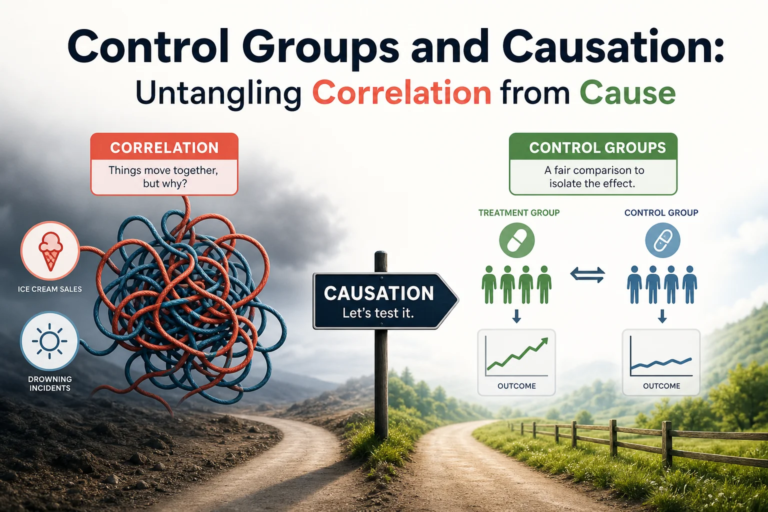
This research method proves to be a double-edged sword; while it provides an invaluable momentary view of trends, one must be cautious about drawing causal inferences.
Case Study 1: Health Trends in Urban Populations
Background
A 2021 study aimed to explore health trends among urban populations in the United States. Researchers gathered data on variables like diet, exercise frequency, and mental health from a sample of 1,000 urban residents.
Findings
| Variable | Percentage of Population |
|---|---|
| Engages in Regular Exercise | 30% |
| Consumes Fast Food | 65% |
| Reported Mental Health Issues | 40% |
Analysis
This case study highlighted a concerning correlation between poor diet and mental health issues within urban settings. The findings prompted local governments to launch community programs aimed at improving access to healthy food options and mental health resources.
Case Study 2: Educational Outcomes in Diverse School Districts
Background
A cross-sectional study conducted in 2020 evaluated student performance across various socio-economic backgrounds in a large metropolitan area. Researchers used standardized test scores and demographic data from several school districts.
Findings
| District | Average Test Score | Percentage of Low-Income Students |
|---|---|---|
| District A | 75 | 45% |
| District B | 85 | 20% |
| District C | 68 | 60% |
Analysis
The study showed significant disparities in educational outcomes based on socio-economic status. District A, with its high percentage of low-income students, underperformed compared to District B. This data led to strategic changes in funding allocation aimed at supporting schools in disadvantaged areas, underscoring the imperative nature of cross-sectional research in informing educational policy.
Case Study 3: Consumer Behavior in Retail
Background
In 2022, a retailer utilized cross-sectional research to understand consumer buying habits during a holiday season. By surveying 2,500 shoppers, they gathered insights on spending patterns and preferences.
Findings
| Age Group | Average Spend | Preferred Shopping Method |
|---|---|---|
| 18-24 | $150 | Online |
| 25-34 | $300 | In-store |
| 35-50 | $250 | Online/In-store |
Analysis
The results indicated that younger consumers favored online shopping, while older demographics still valued in-store experiences. This led the retailer to enhance their online presence while optimizing in-store promotions, showcasing how "Cross-Sectional Research in Action: Case Studies from Diverse Fields" can transform business strategies.
Case Study 4: Social Media Impact on Political Engagement
Background
In the wake of increasing social media influence, a 2023 study sought to assess its impact on political engagement levels among young voters. Researchers surveyed 1,500 individuals aged 18-30.
Findings
| Social Media Usage | Percentage Engaged in Voting | Percentage Following Political News |
|---|---|---|
| High Usage | 70% | 80% |
| Moderate Usage | 50% | 60% |
| Low Usage | 30% | 40% |
Analysis
The study revealed that high social media usage significantly correlates with political engagement, emphasizing the need for political campaigns to leverage social platforms. This example illustrates how cross-sectional research can provide immediate decision-making tools within political contexts.
Case Study 5: Criminal Justice and Demographic Trends
Background
A 2021 cross-sectional study analyzed crime rates in different neighborhoods with diverse demographics and socio-economic conditions to understand patterns related to crime.
Findings
| Neighborhood Type | Violent Crime Rate | Average Income |
|---|---|---|
| Low-Income | 40% | $30,000 |
| Middle-Income | 20% | $50,000 |
| High-Income | 5% | $100,000 |
Analysis
The study illuminated that neighborhoods with lower income levels had substantially higher violent crime rates. Policymakers used these insights to allocate resources for community programs focused on crime prevention, demonstrating the real-world impact of cross-sectional research.
Conclusion
Cross-sectional research in action is a powerful methodology that can be employed across various fields to illuminate current trends and inform critical decisions. The case studies we’ve explored highlight not only the practical applications of this research paradigm but also its immense potential to bring about meaningful change—whether in healthcare, education, business, politics, or criminal justice.
As you embark on your own research journey, remember that harnessing the power of cross-sectional studies can serve as a springboard for deeper inquiries. Engage with the data, recognize patterns, and turn findings into actionable insights that contribute to your field of interest.
FAQs
1. What is cross-sectional research?
Cross-sectional research is an observational research method that analyzes data from a population or representative subset at a specific point in time.
2. How does cross-sectional research differ from longitudinal studies?
While cross-sectional studies provide a snapshot of data at a single point in time, longitudinal studies involve repeated observations over extended periods.
3. Can causal relationships be established through cross-sectional research?
Causality cannot be conclusively established through cross-sectional research, as it only indicates associations among variables, not cause-and-effect relations.
4. What are the advantages of cross-sectional research?
Some advantages include its ability to quickly gather data, cost-effectiveness, and the capacity to analyze a wide range of variables across diverse populations.
5. How can I apply cross-sectional research in my field of study?
Identify the specific variables you wish to explore, gather data through surveys or existing records, and analyze the findings to draw conclusions relevant to your field.
With this exploration of "Cross-Sectional Research in Action: Case Studies from Diverse Fields," we hope you feel empowered and informed to apply these insights into your practice or studies. There’s an entire world of data waiting to be analyzed—your journey into cross-sectional analysis may just uncover the next big breakthrough!
About the Author


The PsyForU Editorial Collective is the research and editorial team of PsyForU Research International. The collective prepares educational, psychological, mental-health-awareness, inclusion, neurodiversity, and research-methodology content for students, parents, educators, researchers, and general readers. PsyForU content is intended for awareness, education, and capacity-building and should not be treated as clinical diagnosis, therapy, medical advice, legal advice, or emergency mental-health support.