Unlocking Potential: The Ultimate Importance of Classroom Accommodations for Diverse Learners
Introduction
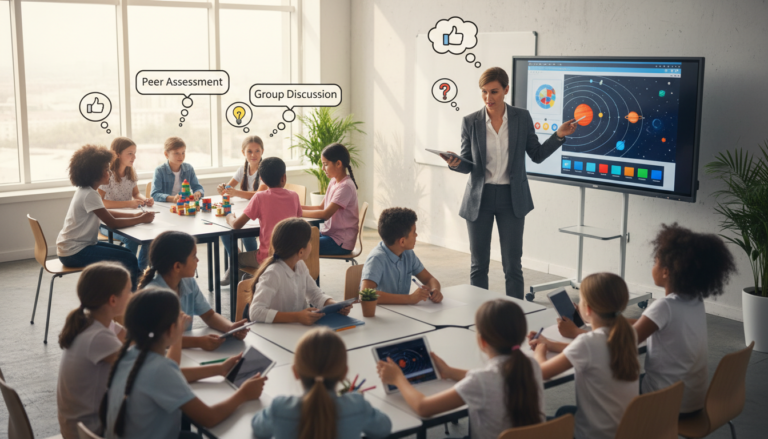
In today’s perpetually evolving educational landscape, diversity in classrooms is more the norm than the exception. Whether it arises from differing learning styles, neurodiversity, socio-economic backgrounds, or cultural perspectives, the rich tapestry of student experiences presents an unparalleled opportunity. However, it also poses unique challenges. Educators are not just tasked with teaching; they must strive to cultivate an inclusive learning environment where every student feels valued and capable of achieving their fullest potential.
This article explores the vital topic of Unlocking Potential: The Importance of Classroom Accommodations for Diverse Learners, illuminating the myriad ways in which tailored classroom strategies can help all students thrive.
The Foundation: Understanding Classroom Accommodations
What Are Classroom Accommodations?
Classroom accommodations are adjustments and modifications that aid students in accessing the curriculum and learning effectively. These adaptations can range from simple changes, such as extended test times, to more substantial adjustments like individualized learning plans.
Table 1: Types of Common Classroom Accommodations
| Type | Example |
|---|---|
| Physical Adjustments | Wheelchair-accessible desks |
| Time Extensions | Extra time on exams for students with processing delays |
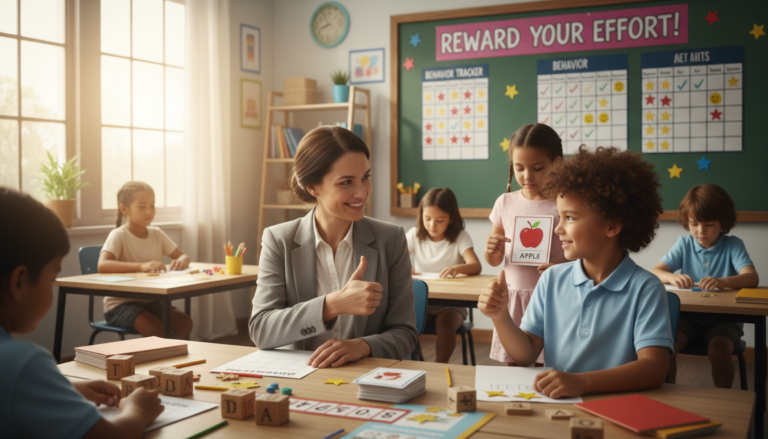
| Instructional Support | Small group instruction or peer tutoring |
| Technology Aids | Use of speech-to-text software |
Why Are Accommodations Essential?
Unlocking Potential: The Importance of Classroom Accommodations for Diverse Learners stems from the very essence of education: to ensure all students have equitable access to learning. Without accommodations, diverse learners may face insurmountable barriers to their success, leading to increased frustration and disengagement.
The Spectrum of Diversity in Classrooms
Neurodiversity
Neurodiverse students, including those with conditions such as ADHD, autism, and dyslexia, may perceive and interact with the world differently. Each neurodiverse learner brings unique strengths and challenges, necessitating customized educational strategies.
Case Study: Implementing Sensory-Friendly Spaces
At Maplewood High School, a dedicated sensory-friendly room was created to help neurodiverse students regain focus when overwhelmed. By providing a quiet space with sensory tools, students reported improved concentration and engagement in lessons. This initiative underscores Unlocking Potential: The Importance of Classroom Accommodations for Diverse Learners by demonstrating that individual needs can be met without compromising the collective educational environment.
Cultural Diversity
Cultural diversity enriches a classroom but can also introduce misunderstandings and communication barriers. Students from different backgrounds may have varying parental expectations, communication styles, and learning modalities.
Case Study: Culturally Responsive Teaching
At Riverside Middle School, teachers underwent training in culturally responsive teaching practices, which included recognizing the influence of culture on learning. By integrating culturally relevant materials and perspectives into their curriculum, teachers not only engaged students more effectively but also fostered a sense of belonging. This illustrates yet again Unlocking Potential: The Importance of Classroom Accommodations for Diverse Learners.
The Impact of Effective Accommodations
Academic Success
Research shows that students who receive appropriate accommodations perform better academically. For instance, a study published in the Journal of Educational Psychology found that students with learning disabilities improved significantly in mathematics scores when given extended time to complete assignments.
Emotional Well-Being
Accommodations can also boost emotional and mental health. An inclusive classroom environment reduces anxiety and stress, allowing students to express themselves freely.
Improved Social Interactions
By creating a supportive atmosphere, accommodations can lead to enhanced peer relationships, fostering collaboration and friendship across diverse student groups.
Chart 1: Emotional Impact of Effective Accommodations
| Emotional Impact | Percentage of Students Reporting Improvement |
|---|---|
| Anxiety Reduction | 75% |
| Increased Self-Esteem | 68% |
| Enhanced Social Connections | 70% |
Implementing Effective Classroom Accommodations
The Role of Teachers
Teachers are at the frontline of implementing accommodations. Training, resources, and support are essential for educators to effectively cater to diverse learners. Professional development programs can equip teachers with techniques and strategies that make a real difference.
Collaborating with Specialists
Collaboration with special education teachers, counselors, and psychologists can enhance the effectiveness of accommodations. These specialists can provide insights and strategies tailored to individual student needs.
Involving Families
Family engagement plays a critical role in the success of accommodations. When parents collaborate effectively with schools, they can reinforce strategies at home that align with classroom accommodations, leading to a more cohesive support system.
Conclusion
Unlocking the potential of diverse learners through effective classroom accommodations is not merely an educational responsibility—it’s a societal imperative. Educators, families, and communities must unite to create inclusive environments where every student is not only seen but supported in their unique learning journey.
The journey of Unlocking Potential: The Importance of Classroom Accommodations for Diverse Learners is ongoing. By embracing diversity, we not only enhance individual student success but also enrich our schools and society as a whole.
As you venture forth, consider this: What small change can you implement today to make your classroom more accommodating for diverse learners?
FAQs
1. What are the key types of classroom accommodations?
Key types include physical adjustments, time extensions, instructional support, and technology aids.
2. How do classroom accommodations benefit neurodiverse students?
They provide tailored support that addresses individual challenges, allowing neurodiverse learners to access standard curricula more effectively.
3. Can accommodations impact emotional well-being?
Yes, accommodating diverse learners can reduce anxiety and increase self-esteem, fostering a positive learning environment.
4. How can I collaborate with specialists to implement accommodations?
Regular meetings, sharing insights about individual students, and team teaching are effective collaboration strategies.
5. What role do families play in the success of classroom accommodations?
Families reinforce strategies at home, ensuring consistent support that complements classroom accommodations.
6. How can I begin to create accommodations in my classroom?
Start with identifying individual student needs, experimenting with simple adaptations, and seeking feedback from students on what helps them best engage with the material.
By focusing on Unlocking Potential: The Importance of Classroom Accommodations for Diverse Learners, we can create a brighter, more inclusive future for all students. Let’s take the necessary steps to make accommodations an intrinsic part of our educational practices.
About the Author