The Ultimate Connection Between Vocabulary and Confidence in Students with Learning Disabilities
Introduction
In today’s increasingly competitive and communicative world, vocabulary serves as a crucial gateway to success. For students with learning disabilities, this connection can be even more pronounced. The journey of learning often interweaves vocabulary acquisition with an individual’s confidence, painting a fuller picture of their educational experience. The Connection Between Vocabulary and Confidence in Students with Learning Disabilities is not merely an academic observation; it’s a lens through which we can understand challenges and opportunities that shape the lives of these students.
Imagine a student struggling to articulate their thoughts in class, their rich ideas cloaked in uncertainty due to limited vocabulary. Conversely, consider a student who has a robust vocabulary; they express themselves with ease, contributing confidently to discussions, engaging with peers, and approaching challenges with a positive mindset. Understanding this correlation not only informs teaching strategies but fosters an environment that uplifts and empowers students with learning disabilities.
The Interplay of Vocabulary and Confidence
Understanding Learning Disabilities
To explore The Connection Between Vocabulary and Confidence in Students with Learning Disabilities, one must first understand what learning disabilities entail. These conditions can impact various skills, including reading, writing, math, and expressive language. According to the National Center for Learning Disabilities, about 1 in 5 students in the U.S. has some form of learning disability, yet many struggle silently, often feeling isolated and less capable than their peers.
Vocabulary as a Cornerstone
Importance of Vocabulary in Education
Vocabulary isn’t just about knowing words; it’s about comprehension, critical thinking, and communication. Students with well-developed vocabulary skills are typically better readers, writers, and overall communicators. Research shows that students who engage with rich and varied vocabulary are better equipped for academic success.
Case Study: Maria’s Transformation
Maria, a fifth grader with a diagnosed learning disability, struggled with reading comprehension. Teachers used explicit vocabulary instruction tailored to her needs, introducing words systematically through context-rich stories. Over several months, Maria’s vocabulary expanded significantly. As she utilized her new words in class discussions, her confidence blossomed, illustrating The Connection Between Vocabulary and Confidence in Students with Learning Disabilities.
| Vocabulary Development | Confidence Level |
|---|---|
| Pre-Intervention | Low |
| Post-Intervention | High |
The Roots of Low Confidence
For many students with learning disabilities, low confidence often stems from repeated academic struggles. Poor vocabulary can contribute to feelings of inadequacy. Anecdotal evidence suggests that when students face word-recall difficulties, they may avoid participation, further hampering their academic development.
The Role of Teachers and Support Systems
Empowering Through Instruction
Teachers play an essential role in bridging the gap between vocabulary and confidence. Diagnostic assessments, tailored vocabulary-building exercises, and continuous feedback can significantly impact student outcomes. A study conducted by the University of Kansas revealed that students who received individualized vocabulary instruction made more significant gains than their peers.
Case Study: Ben’s Classroom Experience
Ben, a student who had long avoided classroom participation due to his learning disability, found his voice through an innovative language program. With a supportive teacher encouraging him to use newly learned vocabulary in everyday conversations, Ben not only improved academically but also became a classroom leader, emphasizing The Connection Between Vocabulary and Confidence in Students with Learning Disabilities.
Engaging Activities to Boost Vocabulary and Confidence
Fun and Interactive Approaches
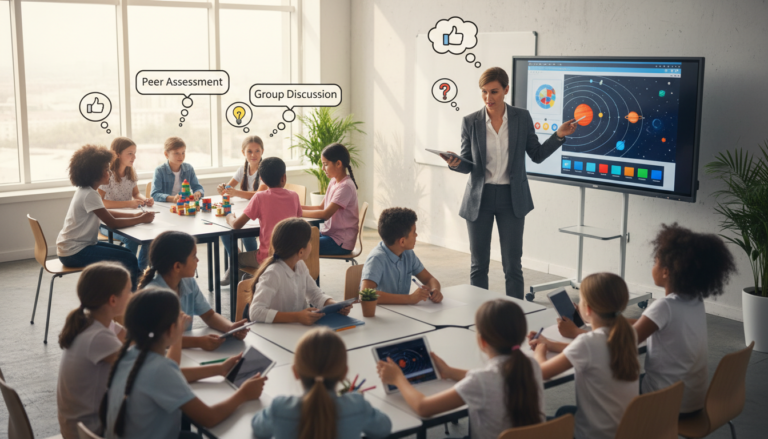
- Word Walls: Enhance classroom environments with word walls that display new vocabulary, engaging students visually and contextually.
- Word Walls: Enhance classroom environments with word walls that display new vocabulary, engaging students visually and contextually.
- Peer Teaching: Implement peer teaching sessions wherein students explain vocabulary words to one another, fostering collaboration and confidence.
- Peer Teaching: Implement peer teaching sessions wherein students explain vocabulary words to one another, fostering collaboration and confidence.
- Games and Apps: Utilize educational games and apps tailored to vocabulary building, making learning enjoyable and relatable.
| Activity | Benefit |
|---|---|
| Word Walls | Visual reinforcement |
| Peer Teaching | Builds collaboration and confidence |
| Educational Games | Makes learning engaging and less intimidating |
Technology as a Tool for Growth
Digital Vocabulary Builders
Incorporating technology in vocabulary development has proven effective. Apps like Quizlet or Wordly provide engaging platforms for students to learn and practice vocabulary independently. This approach allows students to progress at their own pace, helping them build confidence alongside vocabulary skills.
Case Study: Alex’s Digital Learning Journey
Alex, a high school student who faced significant challenges with vocabulary, transformed his educational experience through a vocabulary-building app. The app’s gamified approach encouraged him to practice daily. Over time, not only did his vocabulary improve, but his confidence soared, enabling him to contribute meaningfully in class discussions.
Conclusion
The relationship between vocabulary and confidence in students with learning disabilities is multifaceted and profound. By prioritizing vocabulary development, educators, parents, and support systems can significantly influence students’ feelings of self-worth and capability. Through careful instruction, engaging activities, and technological integration, we can empower these students to conquer their academic challenges.
Actionable Insights
- Prioritize Vocabulary Instruction: Make vocabulary a primary focus within the curriculum tailored to the needs of students with learning disabilities.
- Prioritize Vocabulary Instruction: Make vocabulary a primary focus within the curriculum tailored to the needs of students with learning disabilities.
- Foster an Inclusive Environment: Encourage a classroom culture where all contributions are valued, boosting confidence in all students.
- Foster an Inclusive Environment: Encourage a classroom culture where all contributions are valued, boosting confidence in all students.
- Utilize Technology: Leverage digital tools to make vocabulary learning accessible and enjoyable.
- Utilize Technology: Leverage digital tools to make vocabulary learning accessible and enjoyable.
- Invest in Professional Development: Educators should pursue ongoing training to develop effective vocabulary instruction strategies tailored to diverse learning needs.
FAQs
1. How can vocabulary affect a child’s self-esteem?
Vocabulary skills directly influence a child’s ability to communicate effectively, which can impact their self-esteem. A robust vocabulary allows children to express themselves clearly and confidently.
2. What are some practical strategies for teaching vocabulary to students with learning disabilities?
Practical strategies include using multimedia resources, integrating vocabulary in context, encouraging interactive learning, and individualizing instruction based on student needs.
3. Can technology really help improve vocabulary skills?
Yes, technology, through educational apps and interactive platforms, provides dynamic ways to engage students in vocabulary learning, allowing for practice beyond the classroom.
4. How can parents support their children in vocabulary acquisition?
Parents can support vocabulary acquisition by reading together, discussing new words in everyday conversations, and encouraging the use of new vocabulary in daily interactions.
5. What role does collaboration among students play in learning vocabulary?
Collaboration in learning vocabulary allows peers to share knowledge and support each other, creating a safer environment for learning and increasing confidence through mutual encouragement.
By embracing The Connection Between Vocabulary and Confidence in Students with Learning Disabilities, we can transform not only the academic landscape but also the emotional and social experiences of these students, paving the way for a brighter future.
About the Author