Introduction
Sexual harassment remains a pervasive issue in various environments, affecting individuals’ mental and emotional well-being long after the incident occurs. Understanding the long-term psychological effects of sexual harassment: healing and recovery is crucial not only for those who have experienced it but also for society as a whole. With the right knowledge and tools, healing is not just possible; it can lead to a stronger, more empowered self.
In this article, we will delve deep into the psychological ramifications of sexual harassment, exploring effective strategies for healing and recovery. We’ll examine real-world case studies, discuss various therapies and coping techniques, and provide actionable insights to foster resilience.
The Long-term Effects of Sexual Harassment on Mental Health
1. Emotional Toll: Anxiety and Depression
Victims of sexual harassment often experience heightened levels of anxiety and depression. Studies have shown that individuals may have trouble trusting others, leading to feelings of isolation. According to the American Psychological Association, many survivors report symptoms akin to post-traumatic stress disorder (PTSD), which can linger for years.
Case Study: Sarah’s Journey
Sarah, a marketing executive, experienced repeated harassment from a superior at work. After reporting the incidents, she found herself ostracized by colleagues, leading to severe anxiety and depression. It took years of therapy for Sarah to confront her feelings and begin her healing journey. Her experience highlights that emotional turmoil is common, underscoring the necessity for supportive environments that allow victims to speak out.
2. Impact on Relationships: Trust Issues
Healing from sexual harassment also involves grappling with trust issues that can permeate personal and professional relationships. Survivors might struggle to form meaningful connections, fearing betrayal or further victimization.
Analysis of Trust Dynamics
The effects on relationships can create a ripple effect, leading to broader social isolation. When survivors feel unable to trust, their interactions may become shallow, affecting everything from friendships to family relations.
3. Workplace Challenges: Fear and Retaliation
The workplace is often where sexual harassment occurs, creating a complex web of fear and retaliation. Victims may feel pressured to remain silent, fearing that speaking out will jeopardize their careers. This can lead to chronic stress and a toxic work atmosphere.
Case Study: John’s Experience
John, an IT manager, witnessed harassment in his office but felt unable to report it due to fear of losing his job. Over time, the stress of remaining silent led to severe burnout and physical health issues. His situation emphasizes the need for robust workplace policies that protect victims and encourage reporting.
4. The Role of Societal Norms and Stigma
Society often trivializes sexual harassment, leading many victims to internalize shame and guilt. This stigma can exacerbate emotional distress and deter individuals from seeking help.
Data Insights: Stigma and Help-Seeking Behaviors
A survey conducted by the National Sexual Violence Resource Center found that over 60% of victims did not report their experiences due to fear of being blamed or not believed. Such statistics underline the urgent need for greater awareness and education around this topic.
Healing and Recovery Strategies
1. Professional Help: Therapy Options
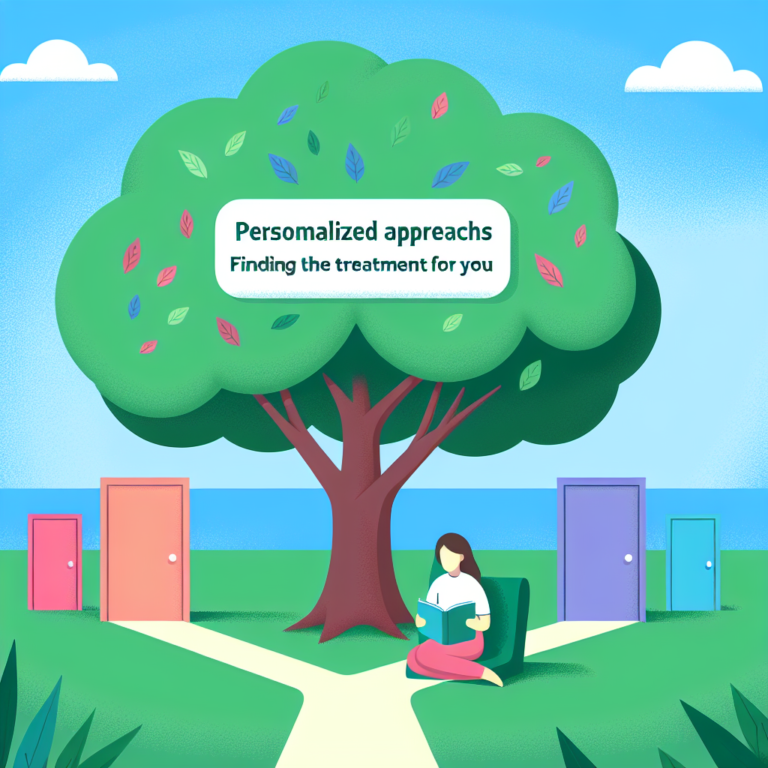
Professional mental health support plays a significant role in recovery. Different therapy options can offer tailored approaches:
Cognitive Behavioral Therapy (CBT): This technique focuses on identifying and changing negative thought patterns that contribute to feelings of anxiety and depression.
- Eye Movement Desensitization and Reprocessing (EMDR): EMDR can be particularly effective for individuals who have experienced trauma, helping them process distressing memories.
Case Study Analysis: Therapy Work
After engaging in CBT, both Sarah and John learned how to challenge negative thoughts and build healthier coping mechanisms, emphasizing the profound impact of professional support in the healing journey.
2. Building Support Networks
Survivors can greatly benefit from having supportive friends, family, or support groups. These networks foster understanding and validation, reducing feelings of isolation.
Data Visualization: Benefits of Support Networks
| Support Structure | Emotional Benefits |
|---|---|
| Family | Unconditional love and understanding |
| Friends | Shared experiences and validation |
| Support Groups | Community and camaraderie |
3. Mind-Body Practices: Yoga and Mindfulness
Yoga and mindfulness practices can significantly contribute to emotional healing. These techniques enhance self-awareness and promote relaxation, helping to manage anxiety and stress levels.
Case Study: The Transformative Power of Yoga
After joining a local yoga class, Sarah discovered tools for self-regulation. The practice not only improved her physical health but also aided in calming her anxious mind. This transition showcases how holistic approaches can complement traditional therapy.
4. Empowerment Through Advocacy
Engaging in advocacy and awareness efforts can empower survivors and aid in their healing process. By sharing their stories, individuals can reclaim their narrative and inspire others.
Analysis of Advocacy Effects
Advocacy facilitates not just personal healing, but also societal change. Communities that support victims contribute to a larger cultural shift, helping to dismantle the stigma attached to discussing harassment.
5. Self-Care: Prioritizing Well-Being
Survivors should prioritize self-care practices that nurture their physical, emotional, and psychological health. Activities like regular exercise, journaling, and creative expression can be wonderfully therapeutic.
Self-Care Tips for Survivors
- Regular Exercise: Engages endorphins and improves mood.
- Journaling: Offers an outlet for expressing thoughts and feelings.
- Creative Outlets: Art, music, or writing can serve as forms of catharsis.
Conclusion
The long-term psychological effects of sexual harassment: healing and recovery are complex and multifaceted. While the journey to recovery can be challenging, it is not insurmountable. Understanding the emotional toll, seeking professional support, building networks, and practicing self-care are all essential components of healing.
Ultimately, recovery is about reclaiming one’s narrative and transforming pain into empowerment. While healing may take time, the steps outlined in this article can help survivors move toward resilience and strength.
FAQs
1. Can sexual harassment lead to long-term psychological issues?
Yes, many survivors experience lasting effects such as anxiety, depression, and trust issues, which can persist for years after the incident.
2. What types of therapy are most effective for healing?
Cognitive Behavioral Therapy (CBT) and Eye Movement Desensitization and Reprocessing (EMDR) are effective methods for addressing trauma.
3. How can friends and family support a survivor?
Listening without judgment, validating feelings, and encouraging professional help are vital ways to offer support.
4. What self-care practices can aid recovery?
Engaging in physical exercise, mindfulness practices, and creative outlets like art or writing can be beneficial for survivors.
5. How does advocacy help in the healing process?
Advocacy allows survivors to reclaim their narratives, helps break the stigma surrounding harassment, and fosters community support for all victims.
Additional Keywords for SEO Optimization
- Long-term impact of sexual harassment
- Psychological healing from abuse
- Emotional recovery methods for harassment survivors
- Support networks for sexual harassment victims
- Empowerment after sexual harassment experiences
This comprehensive guide on the long-term psychological effects of sexual harassment: healing and recovery aims to inform, empower, and inspire readers. Although the journey is fraught with challenges, it culminates in the possibility of a brighter, healthier future.
About the Author