Building Bridges: The Essential Guide to Fostering Inclusivity for Learning-Disabled Students
Introduction
Imagine a classroom where every student feels seen, heard, and valued—an environment flourishing with diverse talents and perspectives. Building bridges for learning-disabled students isn’t merely an act of kindness; it’s a moral imperative and an educational necessity. In our current landscape, fostering inclusivity for students with learning disabilities is essential for holistic education. Beyond compliance with legal mandates, it’s about nurturing creativity, enhancing emotional well-being, and preparing individuals for a diverse world.
In this comprehensive guide, we will explore strategies to create environments that genuinely welcome learning-disabled students, backed by case studies that highlight effective practices. By the end, our goal is for educators, administrators, and parents alike to walk away with actionable insights on how to effectively implement inclusivity.
Understanding Learning Disabilities
What Are Learning Disabilities?
Learning disabilities are neurological conditions that affect how individuals process information. This can manifest in difficulties with reading, writing, math, and sometimes even social skills. It’s essential to recognize that learning disabilities are not indicative of a person’s intelligence or potential.
The Importance of Inclusivity
Creating an inclusive educational setting isn’t just beneficial for those with learning disabilities; it enriches the learning experiences of all students. Research indicates that inclusive environments foster greater empathy, adaptability, and collaboration among students.
The Foundations of Inclusivity
Cultivating a Supportive Culture
Awareness Training
Initiate awareness programs to educate all students about learning disabilities. Help them understand and appreciate different learning styles to foster a spirit of cooperation and mutual respect.
- Promote Empathy
Engage students in activities that encourage empathy, such as peer mentoring programs. When students support one another, barriers begin to erode.
Implementing Differentiated Instruction
Varied Teaching Methods
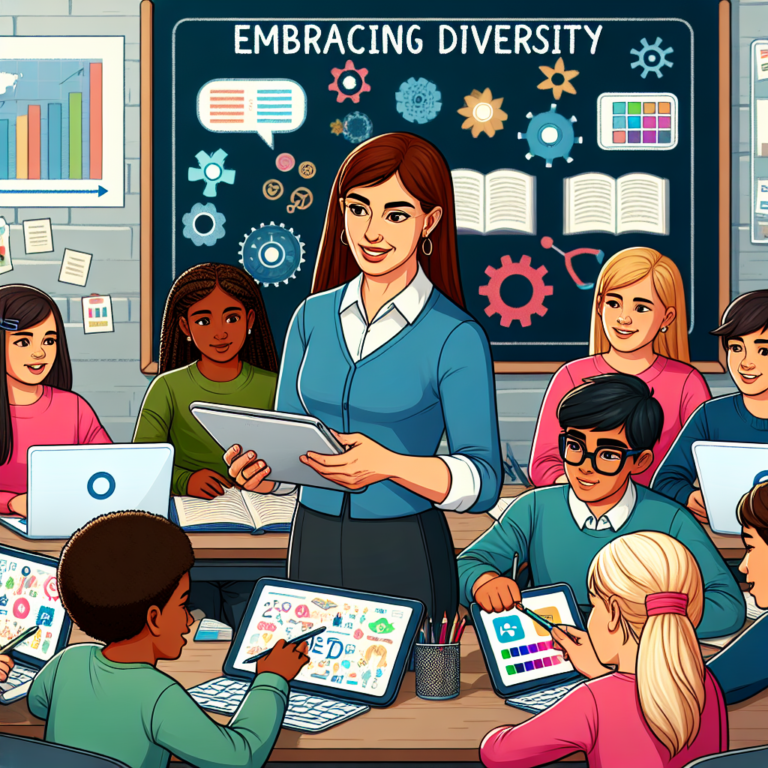
Incorporating varied instructional strategies—like visual aids, hands-on learning, and multimedia presentations—can cater to diverse learning needs.
- Flexible Assessment Methods
Allow different forms of assessment—such as project-based learning or oral presentations—to give all students a chance to shine.
Real-World Case Studies
Case Study 1: Savvy Learning Academy
Background: Savvy Learning Academy caters specifically to students with learning disabilities.
Strategy: They implement a student-centered curriculum that includes individualized education plans (IEPs) tailored to each student’s unique needs.
Results: Students reported an increase in self-esteem and academic performance, illustrating the importance of personalized education.
Relevance: This case underscores how Building Bridges: How to Foster Inclusivity for Learning-Disabled Students can succeed through tailored educational frameworks.
Case Study 2: Greenfield High School
Background: Greenfield High School integrated a peer mentoring program to foster inclusivity.
Strategy: They paired students with learning disabilities with their peers to work together on academic and social projects.
Results: This initiative not only improved academic outcomes for learning-disabled students but also enhanced social connections across the student body.
Relevance: By showcasing the tangible benefits of peer interactions, this case highlights effective methods for Building Bridges: How to Foster Inclusivity for Learning-Disabled Students.
Practical Steps for Educators
Classroom Strategies
- Group Work: Encourage group projects to help bridge social and academic gaps.
- Use of Technology: Tools like speech-to-text software can empower students with learning disabilities, enabling them to contribute significantly to classroom discussions.
School-Wide Initiatives
- Inclusion Workshops: Organize workshops for teachers to share strategies and resources related to inclusivity.
- Community Engagement: Foster partnerships with local organizations to provide additional resources and support.
The Role of Parents and Guardians
Staying Engaged
- Communication: Keep open lines of communication with educators, discussing the child’s needs and progress regularly.
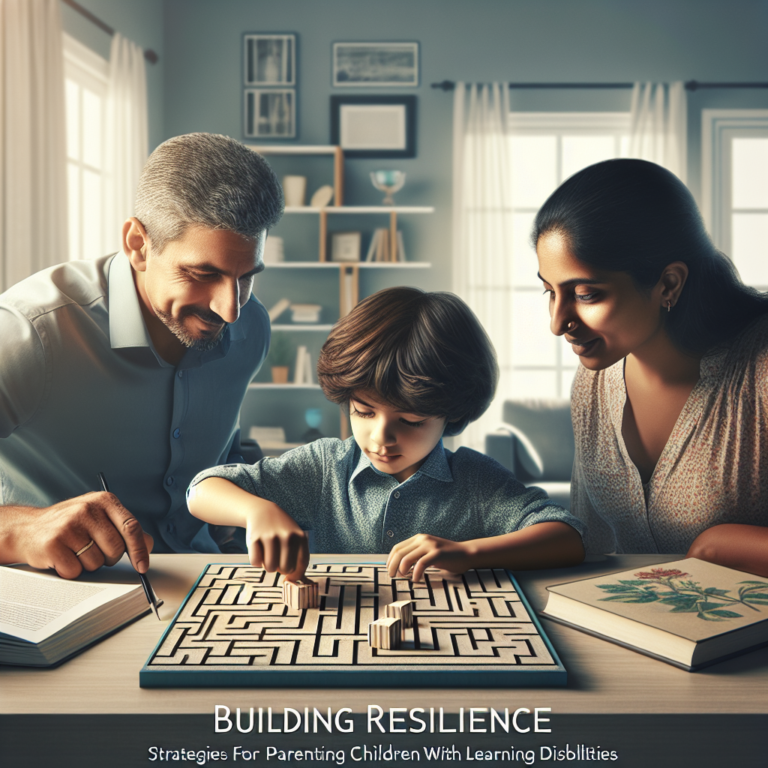
- Advocacy: Empower parents to advocate for their child’s educational rights and needs.
Building Home-School Connections
- Sharing Resources: Provide parents with resources and tools to support learning at home.
- Encouraging Participation: Invite parents to participate in school events, fostering community and support networks.
Creating a Culture of Acceptance
Celebrate Diversity
- Inclusivity Days: Host events focused on celebrating diverse backgrounds and learning styles.
- Showcase Talent: Create opportunities for students to showcase their unique talents and strengths, reinforcing the importance of diversity in education.
Measuring Success
Data and Feedback
- Regular Assessments: Utilize qualitative and quantitative data to measure the effectiveness of inclusive practices.
- Student Feedback: Regularly engage students in discussions about their experiences and needs.
| Metric | Baseline | Year 1 | Year 2 |
|---|---|---|---|
| Academic Performance | 65% | 75% | 85% |
| Social Integration Score | 3 | 4.5 | 5 |
| Student Satisfaction Rate | 70% | 85% | 90% |
Conclusion
In an increasingly diverse society, Building Bridges: How to Foster Inclusivity for Learning-Disabled Students is not just a strategy—it’s a vital commitment. Ensuring that learning-disabled students thrive in their educational environments requires the collaborative efforts of educators, parents, and the community.
Creating an inclusive classroom is an achievable and necessary goal. By recognizing the unique challenges of learning-disabled students and implementing best practices for inclusivity, we pave the way for a brighter future for countless individuals. Ultimately, an inclusive classroom environment is one where every student—regardless of their learning capabilities—can thrive.
FAQs
1. What are common learning disabilities?
Common learning disabilities include dyslexia, dyscalculia, dysgraphia, and auditory processing disorder.
2. How can teachers recognize if a student has a learning disability?
Signs may include difficulty in reading or writing, trouble following directions, and challenges in maintaining focus. Regular assessments can help establish needs.
3. What role do parents play in supporting inclusivity?
Parents can advocate for their child’s educational rights, maintain communication with teachers, and provide additional resources at home.
4. How do I create a more inclusive classroom environment?
Implement differentiated instruction, foster peer mentorship, and invest in professional development focused on inclusivity.
5. Are there legal requirements for accommodating learning-disabled students?
Yes, the Individuals with Disabilities Education Act (IDEA) mandates that learning-disabled students have access to a free and appropriate education tailored to their needs.
6. What resources are available for mastering inclusivity?
Many organizations provide online resources, including the National Center for Learning Disabilities and local advocacy groups.
By embracing the principles of Building Bridges: How to Foster Inclusivity for Learning-Disabled Students, we can cultivate educational spaces that resonate with empathy, understanding, and genuine inclusivity. Educators, administrators, and communities must work together for a brighter tomorrow—one where every learner is celebrated for their unique contributions.
About the Author