


Introduction
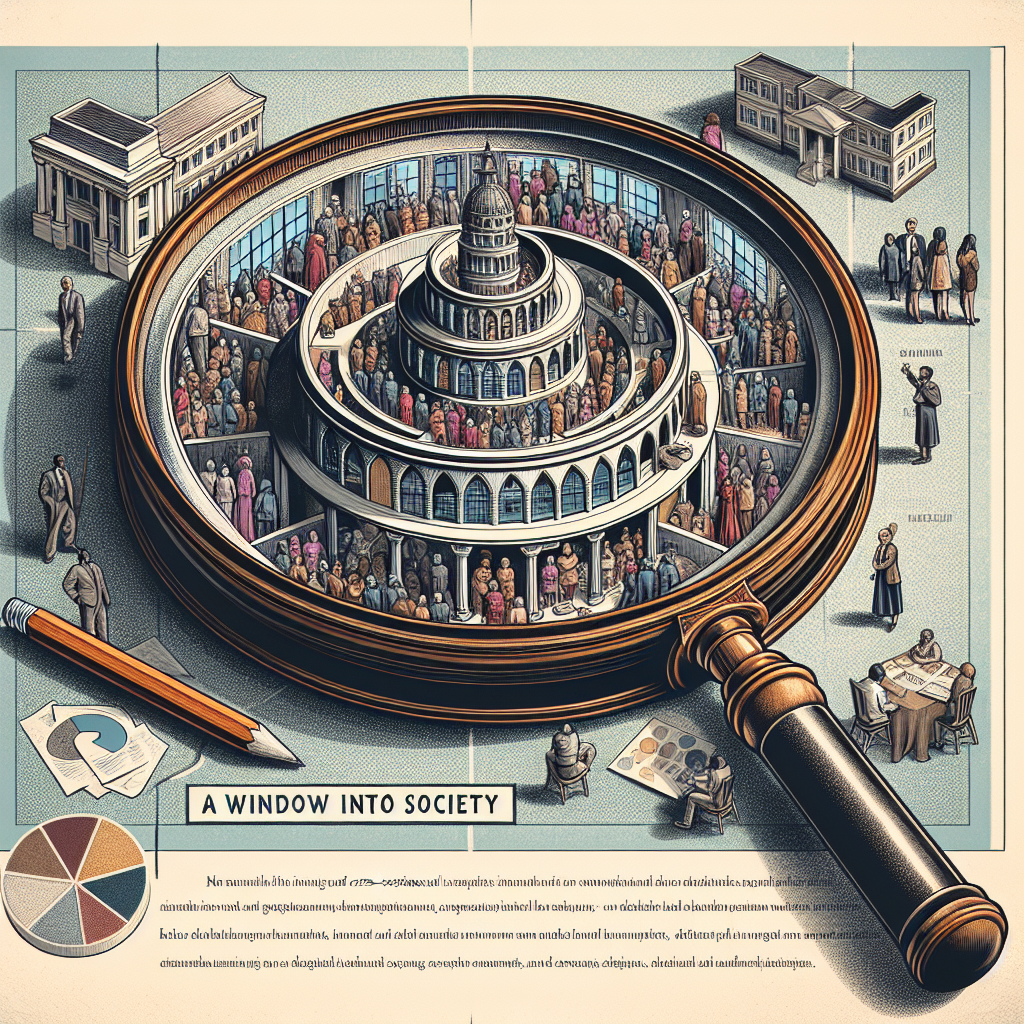
Imagine being able to peek into the complexities of society through a lens that captures its essence without the distortions of time. That lens is the cross-sectional study, a powerful research tool that provides invaluable insights into social dynamics, behaviors, and relationships. A Window into Society: Using Cross-Sectional Studies to Inform Policy and Practice is not just a mere phrase; it encapsulates the transformative potential these studies hold for policymakers and practitioners alike.
As our world becomes increasingly interconnected and multifaceted, understanding the variables that shape human experience is paramount. Cross-sectional studies, with their ability to assess various demographics at a single point in time, bring us closer to this understanding. This article delves deep into the role of cross-sectional studies, illustrating their importance in informing evidence-based policy and practice, enhancing public health strategies, and nurturing socio-economic development.
The Fundamentals of Cross-Sectional Studies
What Are Cross-Sectional Studies?
In essence, cross-sectional studies are observational research methodologies that analyze data from a population at a specific point in time. Unlike longitudinal studies, which track the same individuals over extended periods, cross-sectional research captures a snapshot of a population, providing insight into various attributes such as age, income, education, and health status.
Key Characteristics:
- Snapshot View: Captures a moment in time, allowing for immediate insights.
- Diverse Applications: Useful in fields ranging from public health to sociology.
- Efficiency: Less time-consuming than longitudinal studies, often requiring fewer resources.
Why Cross-Sectional Studies Matter
A Window into Society: Using Cross-Sectional Studies to Inform Policy and Practice reveals how these studies can offer insights into immediate societal trends, emerging issues, and the potential impact of policies. For instance, data from cross-sectional studies can highlight disparities in health care access among different socio-economic groups, thereby guiding public health initiatives that aim for equitable resource distribution.
Real-World Applications of Cross-Sectional Studies
Case Study 1: The Health of a Nation
A prominent example of the relevance of cross-sectional studies can be found in the National Health Interview Survey (NHIS) conducted in the United States. This survey collects data on a variety of health topics and provides important health statistics that inform policy decisions.
Analysis:
The NHIS provides crucial information for assessing the health status of Americans and identifying health disparities across different demographics. Findings from the NHIS have been used to:
- Advocate for increased funding for mental health services.
- Shape educational programs to address smoking among adolescents.
- Develop targeted interventions for chronic diseases in various populations.
Case Study 2: Income Inequality and Education
Another significant application of cross-sectional studies can be seen in research conducted by the Pew Research Center, which examined the correlation between income levels and educational attainment.
Analysis:
The findings from this cross-sectional study highlighted a growing income gap correlated with differing levels of education. Policymakers utilized this data to:
- Design educational reform programs focused on low-income communities.
- Increase access to scholarships and vocational training.
- Promote policies aimed at higher wage standards for non-college graduates.
Visualization of Insights
To illustrate the impact of findings from cross-sectional studies, consider the following chart that summarizes key trends revealed in the Pew Research study:
| Income Level | High School Graduates (%) | College Graduates (%) |
|---|---|---|
| Below Poverty Line | 40% | 8% |
| Middle Income | 75% | 30% |
| Upper Income | 90% | 60% |
This table allows policymakers and educators to visualize how educational attainment is influenced by socio-economic factors, driving home the importance of A Window into Society: Using Cross-Sectional Studies to Inform Policy and Practice.
The Methodological Rigor of Cross-Sectional Studies
Strengths of Cross-Sectional Studies
- Cost-Effective: Often less expensive than long-term studies.
- Broad Applicability: Diverse fields, from health to marketing, benefit from findings.
- Quick Turnaround: Rapid data collection allows for timely policy applications.
Limitations to Consider
While the benefits are significant, it’s essential to understand that cross-sectional studies also have limitations. For instance:
- Causation Clarity: These studies identify correlations but do not establish cause-and-effect relationships.
- Snapshot Inaccuracy: A single moment in time may not represent ongoing trends.
Critical Insights for Researchers
For researchers and policymakers using cross-sectional studies, the key is to supplement their findings with qualitative data to provide context and depth. A Window into Society: Using Cross-Sectional Studies to Inform Policy and Practice is enhanced when these studies are combined with interviews or focus groups that delve deeper into the "why" behind the data.
Engaging Policymakers: Turning Data into Action
To effectively utilize cross-sectional studies, it is vital to bridge the gap between data collection and real-world impact. Policymakers often rely on clear, actionable insights derived from these studies to formulate effective strategies.
Strategies for Policy Integration
- Data Communication: Utilize infographics and visual summaries to make complex data accessible.
- Collaborative Efforts: Engage with community organizations to ensure findings are relevant and grounded.
- Regular Updates: Keep data fresh by conducting periodic cross-sectional studies to capture emerging trends.
When utilizing the findings effectively, A Window into Society: Using Cross-Sectional Studies to Inform Policy and Practice provides a roadmap for navigating societal challenges.
Case Study 3: Addressing Mental Health
A critical area where cross-sectional studies have made a significant impact is in mental health awareness and treatment accessibility. A notable study conducted by the World Health Organization (WHO) examined the mental health status of various countries, capturing data on prevalence rates of conditions such as depression and anxiety.
Analysis:
The cross-sectional data revealed alarming rates of untreated mental illness in specific populations. Policymakers used this information to:
- Implement national mental health awareness campaigns.
- Increase funding for mental health resources.
- Integrate mental health services into primary health care.
This real-world application illustrates how timely data can prompt immediate action and lead to improved health outcomes.
The Future of Cross-Sectional Studies
As technology continues to evolve, the potential for cross-sectional studies to inform policy and practice will only deepen. With the rise of big data and advanced analytics, researchers can harness vast amounts of information to extract more nuanced insights.
Emerging Trends:
- Digital Surveys: Leveraging online platforms for rapid data collection.
- Machine Learning: Applying algorithms to analyze cross-sectional data for predictive insights.
- Interdisciplinary Approaches: Collaborating across fields to enrich data interpretation.
These trends promise to solidify the importance of A Window into Society: Using Cross-Sectional Studies to Inform Policy and Practice, making it easier for decision-makers to navigate complex societal challenges.
Conclusion
In conclusion, cross-sectional studies are essential tools that provide a vital glimpse into the fabric of society. By fostering informed decision-making, they empower policymakers to address pressing issues effectively. A Window into Society: Using Cross-Sectional Studies to Inform Policy and Practice serves as a reminder of the importance of data-driven insights in crafting policies that resonate with real-world challenges.
As we move forward, the integration of cross-sectional study findings into policy and practice will be pivotal in shaping a more equitable, accessible, and informed society. By understanding the dynamics that bind us, we can pave the way for progressive, evidence-based solutions that uplift and empower communities.
FAQs
1. What are the key differences between cross-sectional and longitudinal studies?
Cross-sectional studies capture data at a single point in time, providing a snapshot of various attributes across a population. Longitudinal studies, in contrast, track the same individuals over time, allowing for analysis of changes and developments.
2. How can cross-sectional studies inform policy effectively?
Cross-sectional studies can highlight pressing societal issues, disparities, and trends that inform targeted interventions and resource allocation, guiding policy decisions that address real-world challenges.
3. Can cross-sectional studies identify causal relationships?
Not directly. While cross-sectional studies can reveal correlations, they do not establish causation. Additional research is often needed to identify cause-and-effect relationships.
4. How often should cross-sectional studies be conducted?
The frequency can depend on the subject matter and industry needs. Regular updates are advisable to capture emerging trends, with periodic studies recommended (e.g., annually or every few years).
5. What tools can enhance the effectiveness of cross-sectional studies?
Utilizing digital platforms for data collection, employing data visualization techniques, and collaborating with community organizations can enhance the relevance and impact of cross-sectional studies.
In the ever-evolving landscape of policy and practice, A Window into Society: Using Cross-Sectional Studies to Inform Policy and Practice will continue to shine brightly as a guiding principle for navigating societal complexities.


The PsyForU Editorial Collective is the research and editorial team of PsyForU Research International. The collective prepares educational, psychological, mental-health-awareness, inclusion, neurodiversity, and research-methodology content for students, parents, educators, researchers, and general readers. PsyForU content is intended for awareness, education, and capacity-building and should not be treated as clinical diagnosis, therapy, medical advice, legal advice, or emergency mental-health support.