


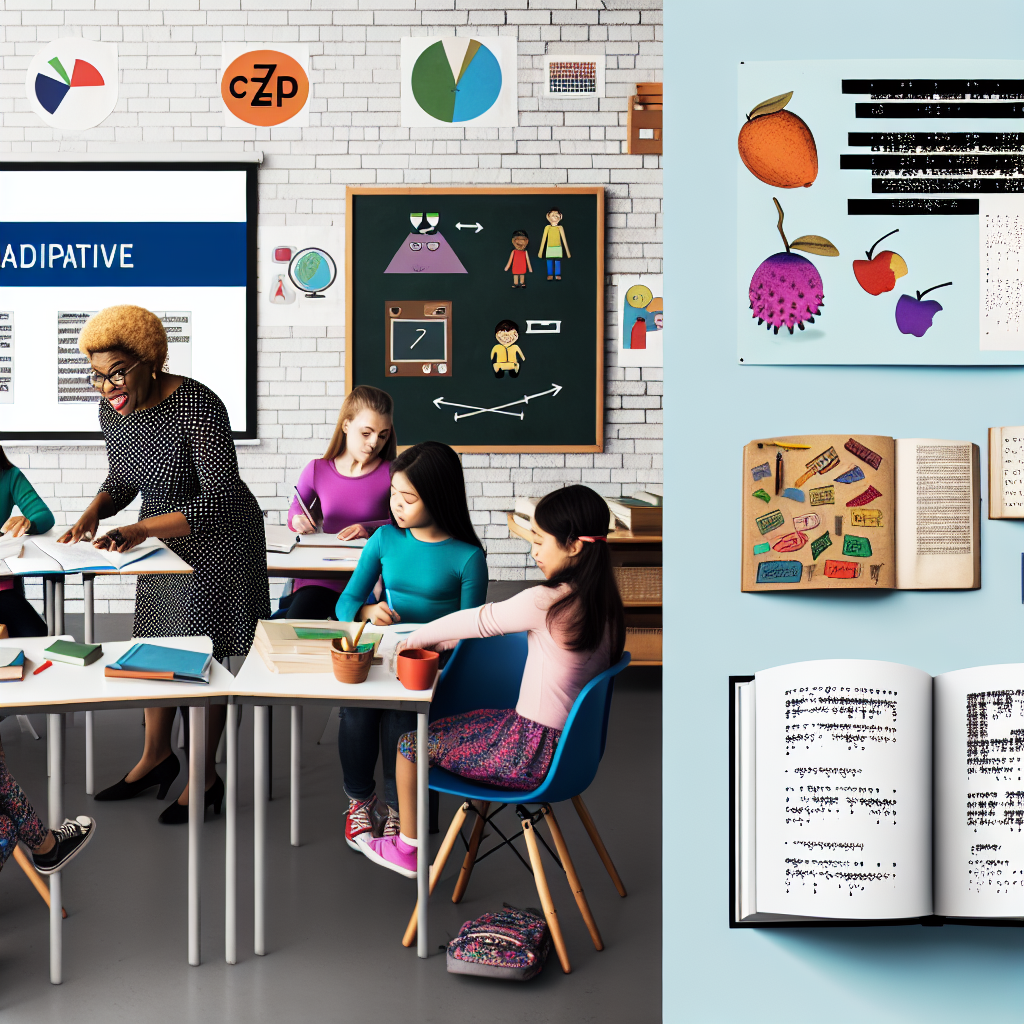
Adaptive Teaching: Essential Strategies for Developing Lesson Plans for Students with Learning Disabilities
Introduction
In today’s diverse classrooms, teachers face the remarkable yet challenging task of addressing a variety of learning needs. Among the most intricate responsibilities is developing effective lesson plans for students with learning disabilities. Adaptive teaching has emerged as a transformative approach, ensuring that every student has equitable access to learning. Adaptive Teaching: Strategies for Developing Lesson Plans for Students with Learning Disabilities not only emphasizes differentiated instruction but also highlights the importance of understanding each student’s unique learning profile. This article delves into essential strategies, real-world applications, and inspiring insights designed to empower educators in their mission to make every lesson inclusive and engaging.
The Importance of Adaptive Teaching
Understanding Learning Disabilities
Learning disabilities can manifest in countless ways, affecting reading, writing, math, and social skills. According to the National Center for Learning Disabilities, approximately 1 in 5 students has a learning disability, which underscores the urgency to adopt adaptive teaching methods.
What is Adaptive Teaching?
Adaptive teaching is an instructional approach that tailors teaching methods and materials to accommodate the diverse needs of students. This method acknowledges that no two learners are the same, and as such, it allows teachers to modify their strategies, resources, and assessments.
Key Strategies for Adaptive Teaching
1. Flexible Lesson Planning
Why It Matters: Flexible lesson planning is integral to adaptive teaching. It enables educators to shift gears based on student responses and engagement.
Implementation:
- Create Multiple Versions of Materials: Providing students with various formats (e.g., audio, visual, kinetic) can enhance understanding and retention.
- Utilize UDL Guidelines: The Universal Design for Learning (UDL) provides frameworks focusing on multiple means of representation, expression, and engagement among students.
2. Build a Supportive Classroom Environment
Why It Matters: A nurturing environment encourages students to take risks, ask questions, and engage deeply.
Implementation:
- Establish Clear Routines: Predictability can alleviate anxiety for students with learning disabilities.
- Incorporate Collaborative Learning: Group activities promote peer support, allowing students to learn from one another.
3. Differentiated Instruction
Why It Matters: Differentiated instruction involves tailoring lessons to meet diverse student needs, which is central to effective adaptive teaching.
Implementation:
- Vary Instructional Strategies: Use a mix of direct instruction, cooperative learning, and independent projects.
- Recognize Learning Styles: Provide options for students to demonstrate understanding through presentations, written reports, or artistic projects.
Case Study: Adaptive Learning in Action
Scenario: In a fourth-grade classroom, Ms. Rivera had one student, Alex, who struggled with reading comprehension. Utilizing adaptive teaching, she incorporated audiobooks alongside the text.
Analysis: By offering multiple formats, Ms. Rivera enabled Alex to engage with the material more effectively, leading to improved confidence and performance.
4. Use of Technology
Why It Matters: Technology can serve as a powerful tool to individualize learning experiences for students with disabilities.
Implementation:
- Assistive Technology: Tools like speech-to-text software can help students who have difficulties writing.
- Interactive Learning Platforms: Websites and apps that offer interactive lessons can engage students in a personalized manner.
5. Ongoing Assessment and Feedback
Why It Matters: Regular assessment allows educators to adjust their teaching strategies according to student progress.
Implementation:
- Formative Assessments: Use informal checks for understanding, such as exit tickets or quick quizzes, to gather immediate feedback.
- Provide Constructive Feedback: Highlight strengths and areas for improvement to motivate students continually.
Case Study: Peer Feedback Mechanism
Scenario: In a middle school math class, Mr. Adams implemented peer review sessions where students critiqued each other’s work using a guided rubric.
Analysis: This approach not only built student confidence but also encouraged responsibility for learning, proving how adaptive teaching strengthens collaborative skills.
Data-Driven Instruction
Importance of Using Data
Leveraging data helps educators make informed decisions regarding lesson planning.
Collecting and Analyzing Data
- Standardized Testing: While helpful, these tests should be just one piece of the puzzle.
- Observational Data: Teachers should continuously monitor student engagement and understanding.
Creating Tables for Clarity
| Data Type | Purpose | Tools |
|---|---|---|
| Standardized Tests | Assess overall performance | State assessments |
| Formative Assessments | Gauge ongoing understanding | Quizzes, reflections |
| Observational Data | Understand individual needs | Observation checklists |
Fostering Parent and Community Engagement
Why It Matters
Engaging parents and the wider community can support students with learning disabilities substantially.
Strategies for Engagement
- Regular Communication: Keep parents informed about their child’s progress and strategies used in class.
- Workshops and Training: Offer resources for parents to understand adaptive teaching principles.
Case Study: The Parent Workshop
Scenario: Ms. Green organized a workshop for parents on understanding different learning styles and how they can support their children at home.
Analysis: By empowering parents with knowledge, Ms. Green fostered a collaborative environment that extends beyond the classroom walls.
Conclusion
Adaptive teaching is not just a method; it is a mindset that seeks to honor the unique learning profiles of every student, particularly those with learning disabilities. By adopting Adaptive Teaching: Strategies for Developing Lesson Plans for Students with Learning Disabilities, educators not only enrich their teaching practice but also enhance the academic and personal growth of their students.
Actionable Takeaways
- Embrace flexibility in lesson planning.
- Foster a supportive classroom environment.
- Utilize technology thoughtfully to engage learners.
- Continually assess and adapt teaching methods based on student needs.
Through dedication and innovative strategies, teachers have the power to transform lives and learning experiences, creating a classroom where every student can thrive.
FAQs
1. What is adaptive teaching?
Adaptive teaching refers to an instructional methodology tailored to meet the diverse needs of students, ensuring that all learners, especially those with disabilities, can access the curriculum effectively.
2. How does adaptive teaching impact students with learning disabilities?
By customizing instructional approaches and materials, adaptive teaching helps to build confidence and improve academic performance among students with learning disabilities.
3. What are some examples of assistive technology?
Examples include speech-to-text software, audiobooks, and interactive educational apps designed to support various learning needs.
4. Why is collaboration important in adaptive teaching?
Collaboration among students fosters social skills, encourages peer support, and allows for diverse perspectives, which can enhance the learning process.
5. How can data be used to inform adaptive teaching practices?
Data collected through assessments and observations helps educators identify learning gaps, assess student progress, and adjust teaching strategies accordingly.
6. What role do parents play in the adaptive teaching process?
Parents are crucial partners in the adaptive teaching process, offering insights into their child’s learning styles and helping reinforce strategies at home.
By implementing the strategies outlined in this article, educators can create inclusive and effective learning environments that celebrate diversity and promote success for all students.


Dr. Leah Howard, Positive Psychology
Dr. Howard is a researcher and advocate for positive psychology, focusing on human strengths, happiness, and well-being. Her writings explore how people can cultivate a positive mindset, improve resilience, and develop emotional intelligence to live fulfilling lives.