

Are you tired of being told to simply “think positive” when dealing with stress and anxiety? 😩 It’s time to explore more effective anxiety relief techniques. These can help you manage your anxiety and improve your overall well-being.
You can find relief from anxiety by adding simple yet powerful practices to your daily routine. Try breathing exercises, exposure therapy, sleep tips, and movement therapy.
According to the Counseling Center Group, anxiety is a common mental health condition. It can be managed with the right techniques. By the end of this article, you’ll know how to take control of your anxiety. You’ll start feeling more calm, confident, and in charge! 🌟
Key Takeaways
- Discover effective anxiety relief techniques beyond positive thinking
- Learn how breathing exercises can calm your mind and body
- Understand the benefits of exposure therapy for anxiety management
- Improve your sleep quality with practical tips
- Explore the role of movement therapy in reducing anxiety
Understanding Anxiety Beyond Positive Thinking
Understanding anxiety is more than just telling someone to think positive. It’s a complex issue that affects many areas of our lives. This includes our thoughts, feelings, and even our body’s response to stress. 🌟
The Science Behind Anxiety
Anxiety is linked to our body’s stress response, known as the “fight or flight” response. This response is meant to keep us safe in danger. But for people with anxiety, it can happen in everyday situations. 🔍
Studies show that anxiety is connected to imbalances in certain brain chemicals. Cognitive Behavioral Therapy (CBT) helps by changing how we think. This can lower our anxiety levels.
Why “Just Think Positive” Often Falls Short
Telling someone to just think positive can be hurtful. Anxiety is a serious issue that needs real help, not just a change in attitude. 🤔
- It ignores the physical side of anxiety.
- It doesn’t find the real causes of anxiety.
- It can make people feel bad if they can’t just think positive.
The Need for Multi-Faceted Approaches
Managing anxiety well requires using many different methods. This includes mindfulness practices, breathing exercises, and physical activity. A mix of these can help right away and in the long run.
| Technique | Immediate Relief | Long-Term Benefits |
|---|---|---|
| Mindfulness Practices | Reduces stress | Enhances emotional regulation |
| Breathing Exercises | Calms the nervous system | Improves respiratory health |
| Physical Activity | Boosts mood | Reduces symptoms of anxiety and depression |
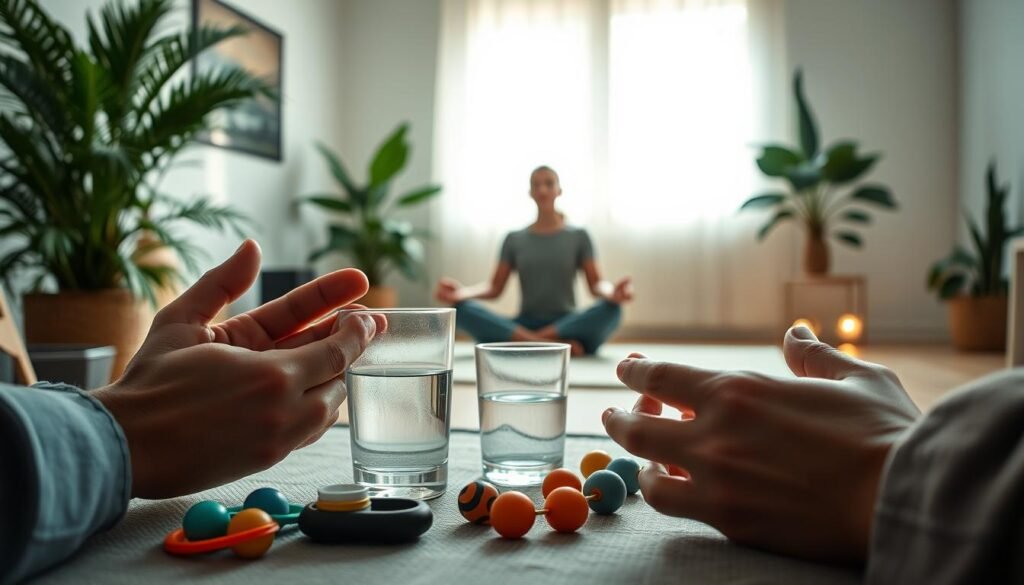

By understanding anxiety’s complexities and using a variety of methods, we can find real relief. We can also learn how to manage our anxiety for the long term. 🌈
The Physiological Basis of Anxiety
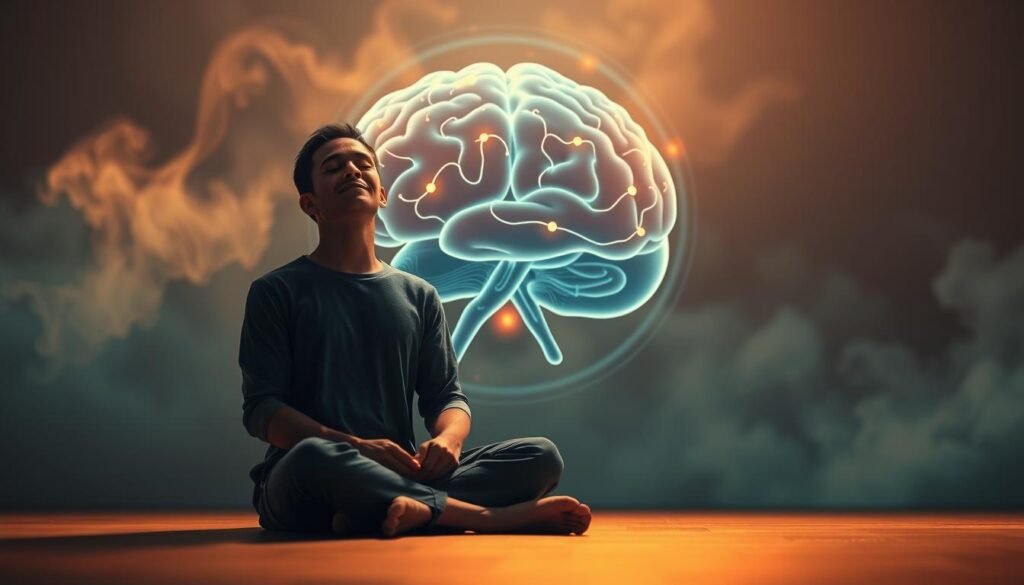
Anxiety affects your body as much as your mind. 🌟 It triggers your body’s “fight or flight” response. This releases stress hormones like cortisol and adrenaline. For many, this response becomes a constant state that can be very hard to deal with.
How Your Body Responds to Anxiety
Anxiety can show up in many ways in your body. This includes:
- Rapid Heartbeat: Your heart beats faster to get more blood to your muscles.
- Tense Muscles: Your muscles get tight, ready to act fast.
- Rapid Breathing: You breathe quicker to get more oxygen.
- Sweating: You might sweat as your body tries to cool down.
The Mind-Body Connection in Anxiety
The mind and body are closely linked in anxiety. Your thoughts and feelings can affect your body, and vice versa. For example, worrying about something can make your heart race or make you feel sick.
Experts say, “The mind and body are not separate; they’re connected, and each affects the other.”
This view of health shows why we need to tackle both mental and physical aspects of anxiety.
Recognizing Your Personal Anxiety Signals
Knowing your personal anxiety signals is key to managing it. Studies show being aware of your body’s signs can help you act early. This can lessen anxiety’s impact on your life. 🌈
Some common signs include:
- Trembling or shaking
- Difficulty concentrating
- Irritability
- Sleep disturbances
By noticing these signs, you can find effective anxiety relief techniques. This could be mindfulness techniques or self-help anxiety strategies.
Breathing Techniques for Immediate Anxiety Relief
When anxiety hits, quick relief is key. Breathing exercises can be a lifesaver! Simple techniques can help manage anxiety and boost your mood.
Diaphragmatic Breathing Step-by-Step
Diaphragmatic breathing, or belly breathing, calms your nervous system. Here’s how to do it:
- Find a comfy seated or lying spot with your back straight.
- Put one hand on your belly and the other on your chest.
- Breathe in slowly through your nose, letting your belly rise.
- Breathe out slowly through your mouth, letting your belly fall.
Proper Positioning for Effective Practice
To breathe right, keep your back straight and shoulders relaxed. This lets your diaphragm move freely.
Progression Timeline and Expected Results
Regular practice will help you feel better in a few weeks. Start with short sessions (5-10 minutes) and grow as you get more comfortable.
4-7-8 Breathing Method
The 4-7-8 method, or “Relaxation Breath,” is simple. Breathe in for 4 counts, hold for 7, and breathe out for 8. It slows your heart and relaxes you.
Box Breathing for Stress Reduction
Box breathing is easy. Breathe in for 4 counts, hold for 4, breathe out for 4, and hold again for 4. It brings balance and calm. Try it during stressful times.
Adding these breathing methods to your day can help manage anxiety. Remember, regular practice is essential to see the benefits.
Advanced Breathing Exercises for Long-Term Anxiety Management
Let’s dive into advanced breathing exercises for better anxiety management. 🌟 These techniques can help your body handle stress better. Studies show they can lead to lasting anxiety relief.
Coherent Breathing Practice
Coherent breathing syncs your breath with your heart rate. This creates a calm state between your heart and brain. It can lower anxiety and improve your heart’s rhythm. Here’s how to do it:
- Breathe at a rate of 5-7 breaths per minute
- Use a heart rate monitor or app to guide you
- Focus on the sensation of the breath
Alternate Nostril Breathing
Alternate Nostril Breathing balances your brain’s hemispheres. It helps you relax and lowers anxiety. Here’s how to do it:
- Close your right nostril with your thumb
- Inhale through your left nostril
- Close your left nostril with your ring finger, release your thumb, and exhale through your right nostril
- Inhale through your right nostril, close it, and exhale through your left
Common Mistakes in Breathing Exercises
Common mistakes include shallow breathing and not practicing often. To avoid these, focus on your diaphragm and practice regularly.
How to Correct Your Technique
If you’re having trouble with your breathing, try these tips:
- Practice in front of a mirror to ensure your diaphragm is engaged
- Record yourself to identify areas for improvement
- Seek guidance from a qualified instructor
By adding these breathing exercises anxiety techniques to your daily routine, you can manage anxiety better. Remember, regular practice is key. Make these exercises a part of your mindfulness practices routine.
Anxiety Relief Techniques Through Exposure Therapy
Exposure therapy is a powerful tool for managing anxiety. It involves facing feared situations or objects head-on! 🤯 By gradually facing your fears, you can reduce your anxiety over time. Studies show it’s a highly effective technique for managing anxiety.
Understanding Exposure Therapy Principles
Exposure therapy helps your brain relearn its response to anxiety triggers. By facing your fears in a safe environment, you can lessen your anxiety. This method is based on cognitive behavioral therapy (CBT) and works well for many anxiety disorders.
Key principles include:
- Gradual exposure to feared situations or objects
- Repeated exposure to reduce anxiety response
- Learning to cope with anxiety in a controlled environment
Creating an Exposure Hierarchy
To use exposure therapy well, you need an exposure hierarchy. This is a list of situations or objects that trigger your anxiety, ranked by how much anxiety they cause.
Rating Your Anxiety Triggers
First, list situations or objects that make you anxious. Then, rate each on a scale from 0 to 10. 0 means no anxiety, and 10 means extreme anxiety. This helps you focus on the most important steps.
Developing Manageable Steps
After listing your triggers, break them down into smaller steps. For example, if you’re afraid of public speaking, start by speaking in front of a mirror. Then, speak to a friend, and eventually, to a larger group.
“The key to successful exposure therapy is gradual progression and repetition. By consistently facing your fears, you can learn to manage your anxiety.”
Implementing Gradual Exposure
Start with the lowest item on your hierarchy and move up slowly. It’s important to go at your own pace. Rushing can make things worse. With each step, you’ll grow more confident in managing your anxiety.
Tips for successful exposure therapy:
- Start small and gradually increase the difficulty level
- Practice regularly to reinforce your progress
- Use relaxation techniques to help manage anxiety during exposure exercises
By understanding and applying exposure therapy, you can significantly reduce your anxiety. This can greatly improve your quality of life! 🌟
Cognitive Approaches to Complement Exposure
Cognitive behavioral therapy for anxiety is more than just thinking positive. It’s about changing the thoughts that make you anxious. By mixing cognitive methods with exposure therapy, you get a better plan to manage anxiety.
Cognitive Restructuring Basics
Cognitive restructuring is a key part of CBT. It helps you spot and question negative thoughts. First, you need to notice your thoughts, mainly when you feel anxious.
* Identify your thoughts: Keep a journal to write down your thoughts and feelings.
* Assess your thoughts: Check if your thoughts are true and helpful.
* Challenge your thoughts: Ask yourself if your thoughts are really true or if there’s another way to see things.
Identifying and Challenging Anxious Thoughts
It’s important to spot and question anxious thoughts to feel better. Here are some ways to do it:
1. Recognize distortions: Know about cognitive distortions like thinking the worst or generalizing too much.
2. Reframe negative thoughts: Change negative thoughts to more balanced and realistic ones.
3. Practice mindfulness: Mindfulness helps you stay in the moment and stop overthinking.
Integrating Cognitive Techniques with Physical Practices
Using cognitive methods with physical activities like relaxation or exercise can help more. For example, deep breathing with cognitive restructuring can manage anxiety better.
| Cognitive Technique | Physical Practice | Benefit |
|---|---|---|
| Cognitive Restructuring | Deep Breathing | Reduces anxiety by challenging negative thoughts and calming the body |
| Mindfulness | Yoga | Enhances present-moment awareness and reduces stress |
| Thought Journaling | Walking | Helps process emotions and gain clarity while promoting physical well-being |
By combining cognitive methods with physical activities, you can create a strong plan to manage anxiety. This plan works on both your mind and body.
Sleep Optimization for Anxiety Management
Sleep optimization is a key tool for managing anxiety. It’s important to know how to use it well! 😊 Quality sleep can greatly affect your anxiety. By making a few simple changes, you can sleep better and feel less anxious.
The Anxiety-Sleep Cycle
Anxiety and sleep are linked in a cycle that’s hard to break. When you’re anxious, it’s hard to fall or stay asleep. Lack of sleep makes anxiety worse. Breaking this cycle is key to managing anxiety. By focusing on sleep, you can lower your anxiety and feel better overall.
Creating a Sleep-Promoting Environment
Your sleep environment is key to good sleep. A sleep-promoting environment tells your brain it’s time to sleep. Here are some tips:
Temperature, Light, and Sound Considerations
- Keep your bedroom cool, around 60-67 degrees Fahrenheit, for optimal sleep.
- Make your bedroom dark, using blackout curtains if necessary.
- Use earplugs or a white noise machine to minimize disruptive sounds.
Technology Management for Better Sleep
Technology can help or hurt your sleep. To sleep better, consider these tips:
- Avoid screens for at least an hour before bedtime, as the blue light can interfere with your sleep.
- Use apps or features that help you wind down, such as guided meditation or relaxing music.
Pre-Sleep Routines That Reduce Anxiety
Having a pre-sleep routine signals to your brain that it’s time to relax. Some good routines include:
- Reading a book or listening to calming music.
- Practicing relaxation exercises, such as deep breathing or progressive muscle relaxation.
- Engaging in a calming activity, like taking a warm bath or practicing gentle stretches.
By adding these routines to your daily life, you can sleep better and feel less anxious. Sleep optimization is a journey, and it’s worth the effort! 🌟
Addressing Sleep Problems Related to Anxiety
Sleep troubles often go hand in hand with anxiety, creating a tough cycle to break! 😴 An anxious mind can make it hard to fall or stay asleep. This can lead to feeling tired, less focused, and more anxious.
Managing Racing Thoughts at Bedtime
It’s key to manage racing thoughts at night to sleep better. Mindfulness meditation before bed can help. It calms the mind by focusing on the now, often through breathing or guided images. 📝
- Start with a 5-minute mindfulness exercise, gradually increasing the duration as you become more comfortable with the practice.
- Use a mindfulness app or guided recording to help you get started.
- Practice mindfulness at the same time each day to establish a consistent routine.
Techniques for Sleep Onset Insomnia
Sleep onset insomnia is when you can’t fall asleep at the start of the night. The 4-7-8 breathing method, or “relaxation breath,” can help. 👅
- Breathe in through your nose for a count of 4.
- Hold your breath for a count of 7.
- Breathe out through your mouth for a count of 8.
This method can slow your heart rate and calm your body, making it easier to fall asleep.
When to Seek Professional Help for Sleep
If you’ve tried many techniques but can’t sleep, it’s time to seek help. Cognitive Behavioral Therapy for Insomnia (CBT-I) is a great option. It tackles thought patterns and behaviors that affect sleep. 🤝
| Signs You Need Professional Help | Description |
|---|---|
| Persistent Sleep Issues | Despite trying various sleep techniques, you continue to struggle with falling or staying asleep. |
| Impact on Daily Life | Sleep problems are affecting your daily functioning, mood, or overall well-being. |
| Underlying Conditions | Sleep issues are potentially related to underlying mental health conditions such as anxiety or depression. |
By tackling sleep problems linked to anxiety, you can break the cycle. This leads to better overall well-being. 🌟
Movement-Based Approaches to Anxiety Relief
Movement is a powerful tool against anxiety. It offers a holistic way to find relief. Adding physical activity to your life can greatly reduce anxiety symptoms.
How Physical Activity Affects Anxiety
Physical activity deeply affects both body and mind. Exercise releases endorphins, or “feel-good” hormones, which ease anxiety. “Exercise is a great stress reliever and can help reduce anxiety by releasing tension and improving mood,” says a wellness expert.
Regular physical activity also improves sleep, boosts self-esteem, and enhances cognitive function. These benefits help manage anxiety.
Low-Intensity Movement Options
For those new to exercise or preferring gentle movements, there are many low-intensity options. These are great for beginners or those with mobility issues.
Beginner-Friendly Exercises
Excellent beginner exercises include brisk walking, swimming, and cycling. These are low-impact and easy to fit into daily life. You can start with short walks and increase distance and pace as you get more comfortable.
Adapting Movement for Different Ability Levels
It’s important to choose activities that match your ability level. For example, if you have mobility issues, try chair yoga or gentle stretching exercises. The goal is to find enjoyable activities that fit your lifestyle, helping you stay consistent.
Incorporating Movement Into Daily Life
Adding movement to your daily routine is easy. Simple changes like taking the stairs, walking to work, or jumping jacks during commercials can help. The aim is to be more active throughout the day, making it a sustainable and enjoyable part of your life.
By using movement to fight anxiety, you can actively manage your anxiety and enhance your well-being.
Mindful Movement Practices for Anxiety
Discover how mindful movement can change your life for the better! 🌟 It combines physical activity with a mindful approach. This helps you feel calm and reduces anxiety. Yoga and tai chi are great for easing anxiety symptoms.
Yoga Sequences for Anxiety Relief
Yoga is a strong tool against anxiety. It mixes physical poses, breathing, and meditation. Some yoga sequences calm your mind and body. For example, Child’s Pose and Downward-Facing Dog are very soothing.
- Start with gentle flows to warm up your body.
- Focus on your breath, using it to guide you through the poses.
- End with calming poses like Legs Up the Wall or Savasana.
Tai Chi and Qigong Basics
Tai Chi and Qigong are ancient practices. They mix slow movements with deep breathing and meditation. These practices reduce anxiety by promoting relaxation and improving balance.
To get started:
- Find a quiet, open space to practice.
- Begin with slow, gentle movements, focusing on your breath.
- Practice regularly to experience the full benefits.
Mindful Walking Practice
Mindful walking is a simple yet effective way to reduce anxiety. By focusing on your surroundings and the sensation of your feet touching the ground, you can feel calm.
Indoor and Outdoor Options
You can practice mindful walking indoors or outdoors. Whether in a park or your living room, focus on the present moment.
- Pay attention to the sensation of each step.
- Notice the sights and sounds around you.
- Use your breath to guide you, taking deep breaths as you walk.
Grounding Techniques for Acute Anxiety
When acute anxiety hits, grounding techniques can be a lifesaver! 🌟 They help you step away from emotional pain and focus on now. Studies show they can help manage acute anxiety. 📚
The 5-4-3-2-1 Sensory Awareness Exercise
This exercise is a strong grounding tool that uses your senses to bring you back to now. 🌈 Here’s how to do it:
- Notice 5 things you see around you.
- Acknowledge 4 things you can touch or feel.
- Identify 3 things you can hear.
- Recognize 2 things you can smell.
- Take a deep breath and notice 1 thing you can taste.
Physical Grounding Practices
Physical grounding techniques help you connect with your body and the present. 🧘♀️
Using Temperature for Grounding
Temperature can be a powerful grounding tool. For example, holding an ice pack or taking a warm bath can help you focus on now. ❄️♨️
Movement-Based Grounding
Doing physical activities like walking or yoga can also ground you in the present. 🏋️♀️
Using Objects for Grounding
Carrying a small object, like a stone or a piece of cloth, can remind you to ground yourself. 🌿 You can also use sensory objects like stress balls or fidget toys. 🎨
| Grounding Technique | Description | Benefits |
|---|---|---|
| 5-4-3-2-1 Exercise | Engages senses to bring focus to the present | Reduces anxiety, increases mindfulness |
| Physical Grounding | Uses physical sensations to ground | Decreases emotional overwhelm |
| Using Objects | Utilizes tactile objects for grounding | Provides a sense of control |
By adding these grounding techniques to your daily life, you can build a strong toolkit for managing acute anxiety. 🌟 The key is to find what works best for you and practice often. 💪
Nutritional Approaches to Support Anxiety Management
Your diet can be a powerful tool in managing anxiety! 🌟 What you eat can either make anxiety worse or better. Let’s look at how food can help manage anxiety.
Foods That May Worsen Anxiety
Some foods can make anxiety symptoms worse. These include:
- Caffeine: Found in coffee, tea, and some soft drinks, caffeine can increase heart rate and jitteriness. ☕️
- Sugary foods and drinks: Eating too much sugar can cause energy crashes and mood swings. 🍰
- Processed foods: These foods are often high in salt, sugar, and unhealthy fats. They can harm your mental health. 🍔
Dietary Patterns That Support Emotional Balance
Some diets can help you feel emotionally balanced and reduce anxiety. Consider:
- Mediterranean Diet: This diet is full of fruits, vegetables, whole grains, and healthy fats. It’s good for your mental health. 🥗
- Omega-3 rich foods: Foods like salmon, walnuts, and chia seeds are good for your brain. They have anti-inflammatory properties. 🐟
“A healthy diet is key for good mental health. Lack of nutrients can affect your mood and anxiety.”
— Harvard Health Publishing
Hydration and Anxiety
Drinking enough water is important for both your body and mind. Not drinking enough can make you feel dizzy, tired, and give you headaches. These feelings can make anxiety worse.
By choosing the right foods, you can help manage your anxiety. 🌈 It’s all about finding a balance and making lasting changes that help you.
Creating a Personalized Anxiety Relief Plan
It’s time to take control of your anxiety by crafting a tailored relief plan that works for you! Recent studies show that making a personalized plan is key to managing anxiety. This means understanding your unique anxiety patterns, picking the right techniques, and sticking to a routine.
Assessing Your Anxiety Patterns
To make an effective plan, you need to know what triggers your anxiety. Think about when and where you feel anxious. Is it in certain situations or at specific times? Keep a journal or use a tracking app to monitor your anxiety levels and find common themes or triggers.
Selecting Techniques That Work for You
There are many ways to manage anxiety, so it’s important to find what works for you. Try a mix of breathing exercises, physical activity, and mindfulness practices to see what helps you the most. You might also want to try cognitive restructuring or exposure therapy with a mental health professional’s help.
- Diaphragmatic breathing
- Progressive muscle relaxation
- Mindful walking
- Yoga or tai chi
Building a Daily and Weekly Practice
Consistency is key for anxiety relief. Create a daily and weekly routine that includes your chosen techniques. Start small and gradually increase your practice.
Morning Routine Components
Start your day with a calming routine. Consider adding:
- Meditation or deep breathing exercises
- A short yoga or stretching routine
- A healthy breakfast and hydration
Evening Wind-Down Practices
Wind down before bed with a relaxing routine. Try:
- A warm bath or shower
- Reading or listening to calming music
- Progressive muscle relaxation or guided imagery
By following these steps and creating a personalized anxiety relief plan, you can take control of your anxiety and improve your overall well-being.
Conclusion: Sustainable Anxiety Management Beyond Positive Thinking
You now have a wide range of tools to manage anxiety, more than just thinking positive. Try anxiety relief techniques like breathing exercises, exposure therapy, and movement. These can help you build a strong stress management plan.
Studies show that a mix of methods is key for lasting anxiety relief. Use cognitive behavioral therapy for anxiety and mindfulness practices to make a plan that fits you.
Managing anxiety is a long journey. Be kind and patient with yourself. Try different methods and get help when you need it. You can control your anxiety and live a better life 🌟.
Begin your journey today. Find relief with a detailed anxiety management plan 📝.
FAQ
What are some effective techniques for immediate anxiety relief?
Techniques like diaphragmatic breathing, 4-7-8 breathing, and box breathing can help right away. They calm the nervous system and lower stress.
How can exposure therapy help with anxiety management?
Exposure therapy makes you more comfortable with things that scare you. It helps you stop avoiding and builds your confidence.
What role does sleep play in anxiety management?
Sleep is key for managing anxiety. It helps with emotional control and stress. A good sleep environment and bedtime routines can improve your sleep.
Can physical activity really help reduce anxiety?
Yes, exercise can lower anxiety. It releases happy hormones, boosts mood, and distracts from worries.
What are grounding techniques, and how can they help with acute anxiety?
Grounding techniques, like the 5-4-3-2-1 exercise, focus on the now. They help you feel less overwhelmed and anxious.
Are there specific dietary changes that can support anxiety management?
Yes, avoiding certain foods and eating a balanced diet can help. Foods that support emotional health are important for managing anxiety.
How can I create a personalized anxiety relief plan?
To make a plan, first understand your anxiety patterns. Then, pick techniques that work for you. Create a daily and weekly routine that includes different strategies.
What is cognitive restructuring, and how can it help with anxiety?
Cognitive restructuring is about changing negative thoughts. It helps you think more positively and realistically, which can lessen anxiety.
Can mindfulness practices really help with anxiety management?
Yes, mindfulness practices like yoga and tai chi can reduce anxiety. They promote relaxation, improve emotional control, and increase self-awareness.
When should I seek professional help for anxiety or sleep problems?
If anxiety or sleep issues keep you up at night or affect your daily life, get help. A mental health expert or healthcare provider can offer support and guidance.

