


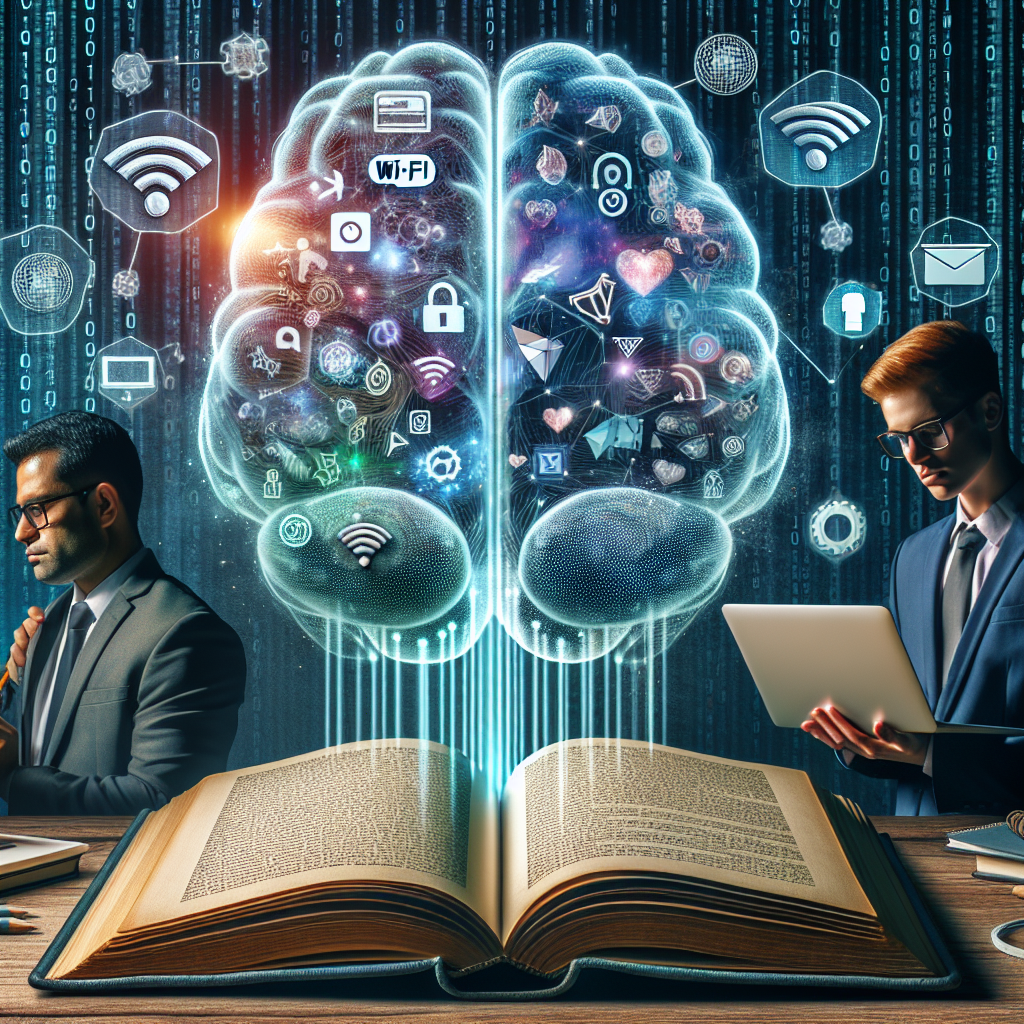
Behavioral Psychology in the Digital Age: New Challenges and Opportunities in Learning
Introduction
In an era dominated by technology, the landscape of learning is rapidly transforming, influenced heavily by behavioral psychology. As educators and learners alike navigate this digital age, understanding the intersection between these fields becomes crucial. Behavioral psychology provides invaluable insights into how we engage, motivate, and shape behaviors, and it’s essential to explore "Behavioral Psychology in the Digital Age: New Challenges and Opportunities in Learning."
With the advent of online learning platforms, gamification tools, and social media, the opportunities for enhancing educational experiences are limitless. Yet, they come with their own set of challenges. What psychological principles can we apply to ensure effective learning in this digital age? How can we engage students and motivate them to take ownership of their learning? Join us on this journey through the complexities of behavioral psychology as we uncover both challenges and invaluable opportunities.
The Foundations of Behavioral Psychology
Understanding Behavioral Psychology
Behavioral psychology focuses on understanding how our environment influences behavior. Rather than delve into internal thoughts and feelings, it emphasizes observable actions and the role of reinforcement and punishment in shaping behavior. This foundational principle is particularly relevant in educational settings, where behavioral strategies can enhance learning outcomes.
Key Concepts and Theories
1. Classical Conditioning
One of the most famous principles of behavioral psychology, classical conditioning, was first introduced by Ivan Pavlov. In a learning environment, creating associations between stimuli and responses can foster learning. For example, using specific music or sound cues during study sessions can trigger recall during tests.
2. Operant Conditioning
B.F. Skinner’s operant conditioning is critical in education. It operates on the premise that behaviors can be reinforced or discouraged through rewards and punishments. In the digital age, this principle can be applied through badges, points, or leaderboards in educational platforms.
Application in Learning Environments
Behavioral strategies are predominantly employed in various learning environments, including:
- Traditional classrooms: Using positive reinforcement to encourage student participation.
- Online platforms: Leveraging gamified elements to motivate learners.
- At-home learning: Establishing routine through scheduled learning periods.
New Challenges in Behavioral Psychology in the Digital Age
Information Overload
One pressing challenge is overwhelming learners with information. With endless content available online, students often struggle to discern what is essential. This "information overload" can lead to disengagement and frustration, making it vital to embed behavioral psychology principles that help filter and prioritize content effectively.
Maintaining Motivation
Maintaining student motivation is another hurdle. Digital distractions, such as social media and online games, can undermine focus and engagement. Applying principles of operant conditioning through structured rewards and regular feedback can help counteract these distractions and maintain enthusiasm for learning.
Digital Disconnection
While online education promotes accessibility, it can also generate feelings of disconnection among learners. Many students report feeling isolated without face-to-face interactions, impacting their motivation and participation. Behavioral psychology can guide strategies that foster community and collaboration even in virtual environments.
Adaptive Learning Environments
Digital education often lacks adaptability, which may inhibit effective learning. Standardized curricula may not cater to the diverse needs of students. Using data analytics alongside behavioral insights can tailor learning experiences to individual strengths and weaknesses.
Opportunities in Learning through Behavioral Psychology
Customized Learning Experiences
Technology allows for the creation of personalized learning experiences. By utilizing data analytics, educators can apply behavioral insights to tailor lessons according to individual learning styles and needs. For instance, A/B testing can determine which instructional methods yield better engagement—leading to optimized learning experiences.
Gamification: Harnessing Engagement
The success of game-based learning paradigms is a testimony to behavioral psychology’s effectiveness. Gamification taps into students’ intrinsic motivations through goal-setting, challenges, and immediate feedback. It fosters motivation and engagement, making "Behavioral Psychology in the Digital Age: New Challenges and Opportunities in Learning" an exciting frontier.
Continuous Feedback Mechanisms
Immediate feedback is vital in reinforcing desired learning behaviors. Digital platforms can provide timely insights into student performance, aiding in retaining and improving motivation. Utilizing tools that offer analytics can help educators track student engagement and adapt teaching strategies accordingly.
Building Communities Online
Fostering a collaborative and community-focused learning environment can counteract feelings of digital disconnection. Behavioral reinforcement among peers can encourage shared goals, enhancing the learning experience. Online forums and group projects incorporating behavioral principles can cultivate an engaging participatory culture.
Case Studies Illustrating Opportunities
Case Study 1: Duolingo
Duolingo utilizes operant conditioning through its gamified language learning app. By offering rewards in the form of points and achievements, it reinforces consistent user engagement. As a result, language learners feel motivated to practice daily, effectively capitalizing on the principles of behavioral psychology.
Analysis: Duolingo’s success highlights the importance of combining gamification and behavioral reinforcement to create an engaging learning atmosphere.
Case Study 2: Khan Academy
Khan Academy effectively personalizes learning through data analytics. Students progress at their own pace, receiving customized feedback that reinforces their learning journey. By identifying areas needing improvement, it offers targeted resources, showing the application of behavioral insights in adaptive learning.
Analysis: This case exemplifies how individualized learning experiences, grounded in behavioral psychology, can significantly improve educational outcomes.
Case Study 3: Class Dojo
Class Dojo leverages behavioral psychology in the classroom by facilitating communication between students, parents, and teachers. It employs a point system to encourage positive behavior, engaging the learning community effectively.
Analysis: The success of Class Dojo exemplifies the vital role of community reinforcement and responsive communication in promoting positive learning behaviors.
Data Visualization: Engaging with Data
| Challenge | Opportunity | Behavioral Strategy |
|---|---|---|
| Information overload | Curated content | Utilize filtering and recommendation systems based on user behavior |
| Maintaining motivation | Goal-oriented learning | Integrate badges system for achievements |
| Digital disconnection | Building online communities | Create collaborative projects and peer reviews |
| Lack of adaptation | Personalized learning | Implement AI-driven adaptive learning paths |
Conclusion
As we explore the realms of "Behavioral Psychology in the Digital Age: New Challenges and Opportunities in Learning," it becomes evident that the marriage of technology and behavioral insights holds incredible promise. While challenges like information overload and lack of motivation persist, the opportunities to enhance learning experiences are vast.
By applying behavioral principles such as operant conditioning, leveraging gamification strategies, and fostering collaborative environments, we can revolutionize how we learn. The critical takeaway is that by understanding and applying behavioral psychology, educators can effectively navigate the complexities of the digital age—creating more engaging, personalized, and supportive learning experiences.
FAQs
1. What is behavioral psychology?
Behavioral psychology is a branch of psychology that focuses on observable behaviors and the ways they can be changed or reinforced through environmental stimuli.
2. How can behavioral psychology improve online learning experiences?
By applying behavioral principles such as positive reinforcement and feedback, educators can design more engaging and motivating online experiences for learners.
3. What are some examples of gamification in education?
Gamification in education includes using points, badges, leaderboards, and challenges to motivate learners and create a dynamic learning environment.
4. How can technology help address feelings of disconnection in online learning?
Technology can create online communities through forums, collaborative projects, and peer feedback, fostering essential social interactions among students.
5. What role does personalized learning play in behavioral psychology?
Personalized learning tailors educational experiences to individual needs and strengths, leading to more effective learning outcomes by leveraging data analytics and behavioral insights.
This structured exploration of "Behavioral Psychology in the Digital Age: New Challenges and Opportunities in Learning" aims to captivate readers and provide actionable insights that empower educators, learners, and stakeholders in navigating this transformative educational landscape.

