


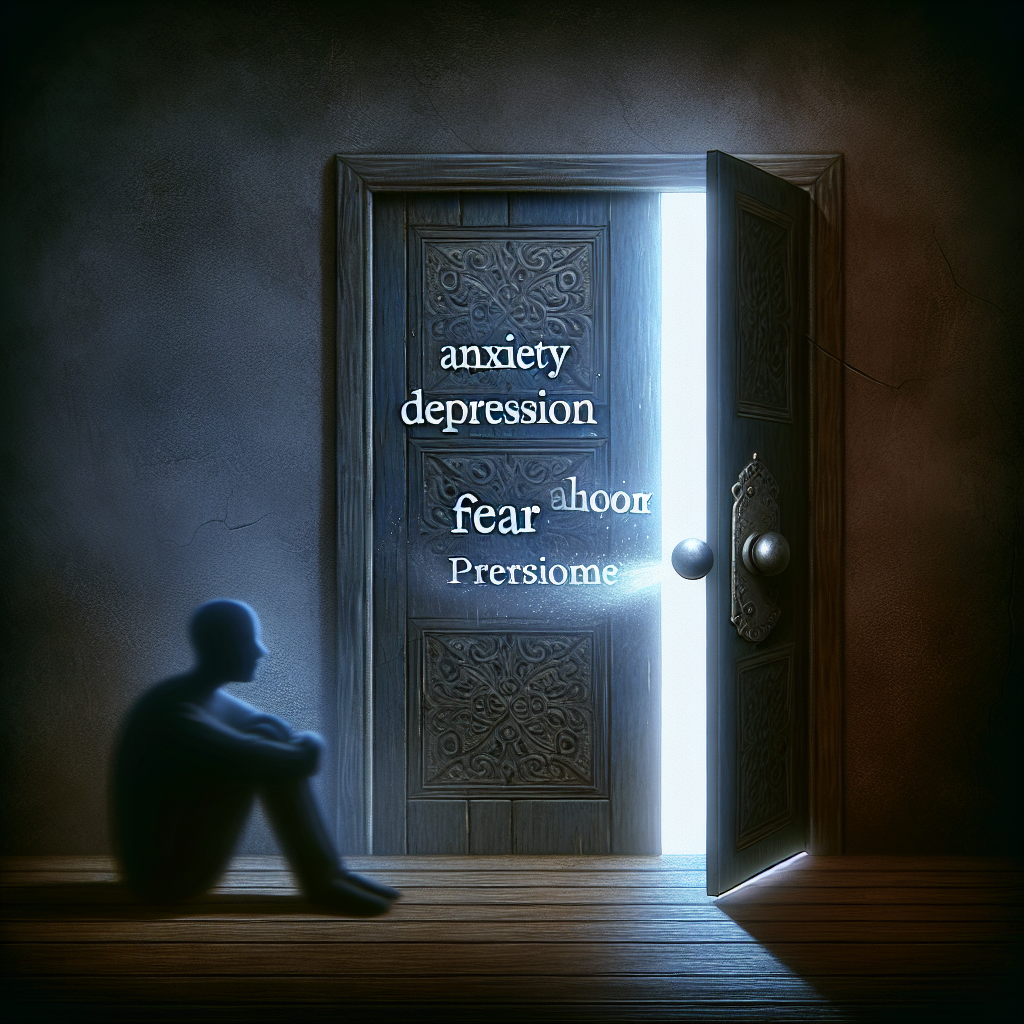
Behind Closed Doors: The Psychological Struggles of Bullying Survivors
Introduction
Behind closed doors, many survivors of bullying grapple with invisible scars that shape their lives long after the bullying has ceased. The impact of bullying is not confined to the schoolyard or workplace; it seeps into the very fabric of an individual’s psyche, affecting their self-esteem, relationships, and mental health. Understanding the psychological struggles of bullying survivors is essential not just for healing but also for fostering an environment where such behavior is not tolerated. This article delves deep into the multifaceted psychological struggles faced by these individuals, exploring real-world case studies, insights from psychological research, and offering an empowering perspective towards recovery.
The Psychological Impact of Bullying
Understanding Bullying
Before exploring the struggles faced by survivors, it’s crucial to define what bullying entails. Bullying can be verbal, physical, or emotional and can occur in various settings, such as schools, workplaces, and even online. It creates an environment of intimidation where the victim feels powerless and isolated.
Types of Bullying
-
Verbal Bullying: Includes name-calling, insults, and constant criticism.
-
Physical Bullying: Involves physical aggression and can result in both physical injuries and psychological trauma.
-
Social Bullying: Targets a person’s social standing through exclusion, rumors, and public humiliation.
- Cyberbullying: Utilizes digital platforms to harass and intimidate the victim.
Psychological Struggles
Behind closed doors, bullying survivors often experience a range of psychological issues:
-
Anxiety and Depression: Numerous studies have shown a strong correlation between experiences of bullying and increased rates of anxiety and depression. A survivor might find themselves feeling persistently anxious about social situations due to the fear of being bullied again.
-
Low Self-Esteem: Continuous belittlement can lead to distorted self-image, making it challenging for survivors to recognize their worth.
-
Post-Traumatic Stress Disorder (PTSD): For some, the effects can be as severe as PTSD, where survivors relive their trauma through flashbacks and nightmares.
- Social Isolation: Survivors may withdraw from social interactions due to shame and fear of being ridiculed again, leading to worsened mental health conditions.
Case Study: Emma’s Journey
Meet Emma, a 15-year-old who faced relentless bullying throughout her middle school years. The verbal assaults from peers led Emma to develop severe anxiety, which manifested as social withdrawal. Behind closed doors, she cried, feeling isolated and unloved, even when surrounded by supportive family members. Emma sought help from a therapist who specialized in trauma and learned coping mechanisms.
Analysis: Emma’s case reflects how bullying can erode self-esteem and lead to anxiety. It also underscores the importance of therapy and support systems in a survivor’s recovery.
The Cycle of Bullying and Mental Health
Bullying and Trauma Response
The human brain’s response to bullying is akin to that of any traumatic experience, triggering the fight-or-flight response. When a victim is constantly in survival mode, their brain becomes conditioned to react with high levels of stress and anxiety.
| Impact of Bullying on Mental Health | Symptoms |
|---|---|
| Increased anxiety | Panic attacks, excessive worry |
| Elevated depressive symptoms | Loss of interest, hopelessness |
| Decreased cognitive function | Trouble concentrating, memory lapses |
Societal Factors Influencing Recovery
Lack of Awareness and Stigma
A major hurdle for bullying survivors is societal misunderstanding and stigma. Many believe that bullying is just a part of growing up, making it difficult for survivors to seek help.
Rebuilding After Bullying
Recovering from the impact of bullying is not only possible but essential for survivors seeking to reclaim their identities and lives.
Therapeutic Approaches
-
Cognitive Behavioral Therapy (CBT): This widely-used therapy focuses on changing unhelpful cognitive distortions and behaviors.
-
Art Therapy: For those who may struggle to articulate their emotions, art therapy provides a creative outlet to express their experiences and feelings.
- Support Groups: Sharing experiences with others who have been through similar situations can provide solidarity and understanding.
Case Study: Mark’s Transformation
Mark, a 22-year-old college student, faced bullying in high school that left him feeling unworthy and alone. After attending a support group, he learned about the shared experiences of others and found the courage to confront his bullies during a school reunion. This confrontation not only aided his healing but also fostered a sense of empowerment.
Analysis: Mark’s story demonstrates the healing power of community support and confrontation as means to reclaim one’s narrative.
Practical Strategies for Resilience
Building Self-Esteem
-
Positive Affirmations: Regularly practicing positive self-talk can slowly help to rebuild self-esteem.
-
Engaging in Hobbies: Finding a passion can redirect focus and bring joy, facilitating healing.
- Physical Activity: Exercise has been shown to reduce stress and improve mood, promoting mental well-being.
The Role of Family and Friends
Surrounding bullying survivors with understanding and supportive friends and family is crucial. Effective communication, empathy, and involvement in their healing process can significantly improve mental health outcomes.
Conclusion
The journey of bullying survivors is intensely personal and varied, shaped by both the trauma experienced behind closed doors and the support they receive along the way. While the psychological struggles of bullying survivors are profound, the path to recovery is attainable through therapy, community, and self-empowerment. By understanding these struggles, we can foster a world that not only advocates against bullying but also actively supports those affected by it.
FAQs
1. What are the long-term psychological effects of bullying?
Long-term effects can include chronic anxiety, depression, low self-esteem, and relationship difficulties.
2. How can I support a friend who is a bullying survivor?
Listen without judgment, validate their feelings, and encourage them to seek professional help if needed.
3. Are the effects of bullying different for children and adults?
While both face psychological challenges, children may struggle more with developmental issues, while adults may face career-related implications.
4. What role does therapy play in healing from bullying?
Therapy provides a safe space for survivors to process their trauma and develop coping skills, crucial for recovery.
5. Can bullying have physical health consequences?
Yes, the stress and trauma associated with bullying can lead to various physical health issues, including headaches, gastrointestinal problems, and sleep disorders.
By tackling the silent struggle faced by bullying survivors, we cultivate understanding, healing, and ultimately, a world that embraces kindness and resilience.

