


Introduction
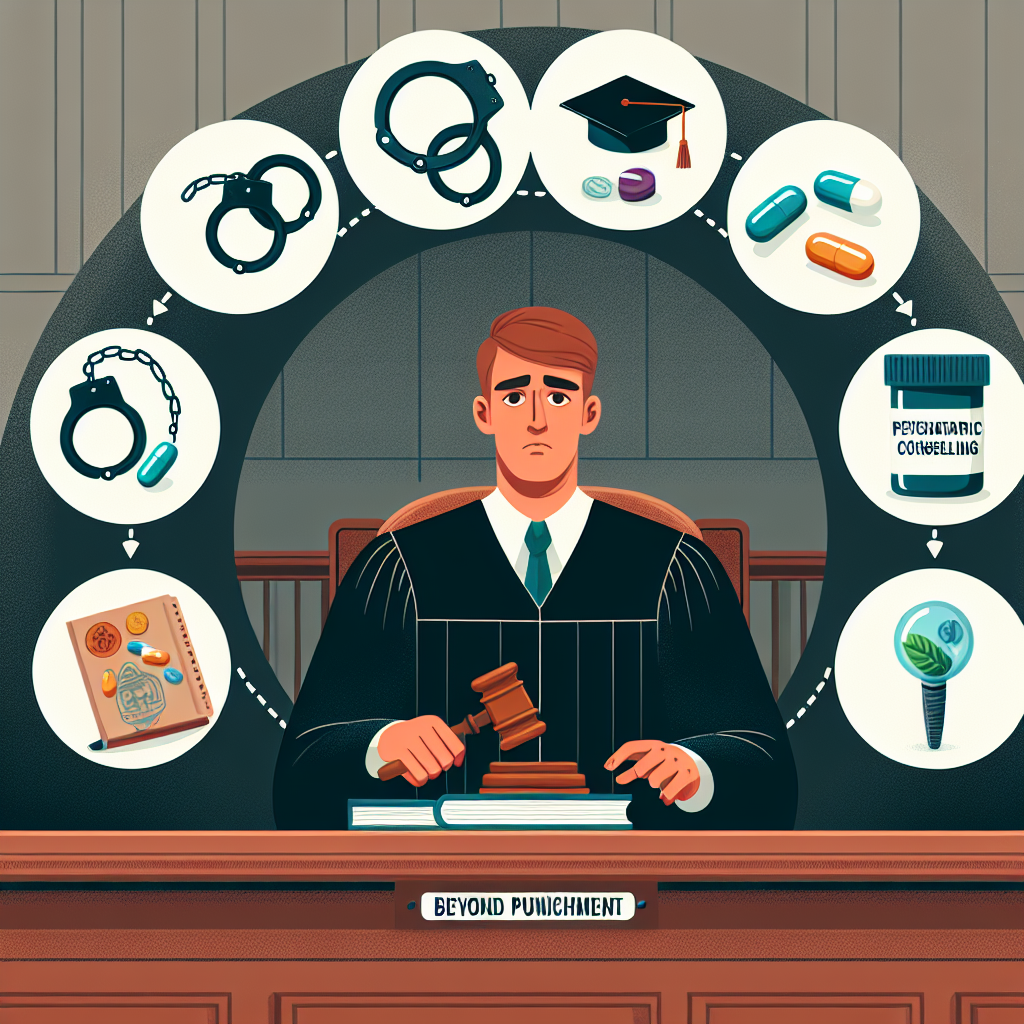
Imagine a world where the punitive approach to crime is replaced by compassion and understanding. Where the complexities of mental health are recognized rather than criminalized. In this transformative landscape, beyond punishment: the role of mental health courts in rehabilitation becomes not just a legal framework but a stepping stone towards genuine recovery and reintegration. These specialized courts provide services that prioritize mental well-being over incarceration, demonstrating that healing and accountability are not mutually exclusive. In this article, we will delve deep into how mental health courts serve as a beacon of hope, offering a unique approach that shifts the focus from punishment to rehabilitation.
Understanding Mental Health Courts
What Are Mental Health Courts?
Mental health courts are specialized court programs designed to address the needs of individuals with mental illnesses who are involved in the criminal justice system. Unlike traditional courts, they aim to provide alternative sentencing options that incorporate mental health treatment, thereby fostering a rehabilitative environment.
| Key Features of Mental Health Courts | |
|---|---|
| Specialty focus | Targeted at individuals with mental illnesses |
| Collaborative approach | Involvement of mental health professionals, prosecutors, and defense attorneys |
| Treatment emphasis | Focus on rehabilitation and treatment instead of incarceration |
| Ongoing support | Regular follow-up and monitoring for participants |
The Need for Mental Health Courts
The rising awareness surrounding mental health issues highlights a growing crisis in the criminal justice system. Studies reveal that a significant number of individuals in jails and prisons experience mental health conditions. Traditional punitive measures often do not address the root causes of criminal behavior, perpetuating a cycle of re-offending.
According to the National Alliance on Mental Illness (NAMI), nearly 20% of individuals in jails have a serious mental illness. This statistic underscores the urgency for solutions that encompass both the criminal and mental health arenas. Beyond punishment: the role of mental health courts in rehabilitation addresses this critical gap.
The Mechanisms of Mental Health Courts
How Mental Health Courts Operate
Mental health courts operate under a collaborative model, involving judges, defense attorneys, prosecutors, and treatment providers. Participants willingly enter the program and agree to adhere to a treatment plan that may include therapy, medication management, and community support services.
The Process
- Assessment and Eligibility: Individuals with mental health issues are assessed to determine their suitability for the program.
- Individualized Treatment Plans: Each participant receives a tailored plan based on their specific mental health needs.
- Court Supervision: Judges play an active role in monitoring participants’ progress, providing encouragement, and holding them accountable for their treatment.
- Graduation and Aftercare: Upon successful completion of the program, participants may have their charges reduced or dismissed, paving the way towards a brighter future.
Case Study: The Kings County Mental Health Court
In Brooklyn, New York, the Kings County Mental Health Court stands as a prime example of how these specialized courts can make a profound difference. Established in 2001, it focuses on diverting individuals with mental health issues from traditional jail incarceration into treatment.
Analysis of Impact
- Recidivism Rates: The court reports a reduction in recidivism rates by 35% among participants.
- Community Reintegration: Many graduates have successfully reintegrated into society, securing employment and housing, and reconnecting with families.
Such outcomes showcase beyond punishment: the role of mental health courts in rehabilitation, demonstrating that addressing mental health can pave the way for a more constructive resolution.
The Benefits of Mental Health Courts
Improved Mental Health Outcomes
The main objective of mental health courts is rehabilitation, focusing on mental wellness and personal growth. Studies reveal that individuals participating in mental health court programs often experience reduced symptoms of mental illness, leading to improved overall health.
Cost-Effectiveness
The financial implications of mental health courts are significant. Treating individuals in community settings rather than incarcerating them leads to reduced costs for the state. A report from the Washington State Institute for Public Policy indicated that programs like mental health courts save taxpayers approximately $2,300 per participant each year.
| Cost Comparison | Traditional Approach | Mental Health Court |
|---|---|---|
| Annual cost per participant | $40,000 | $8,000 |
| Increased treatment success rate | Low | High |
A Shift in Societal Perspectives
Mental health courts encourage a paradigm shift in how society views mental illness. By focusing on empathy and understanding, they challenge harmful stigmas associated with mental health.
Challenges Faced by Mental Health Courts
Stigmatization & Public Perception
While mental health courts have made strides in creating a compassionate criminal justice approach, there remains a significant stigma surrounding mental illness. Public perception can sometimes hinder the expansion of these programs.
Resource Allocation
Mental health courts require substantial resources, including qualified mental health professionals and adequate funding. In areas where budgets are tight, securing the necessary resources can prove challenging.
Legal Considerations
Navigating the legal landscape presents its own hurdles. The balance between ensuring public safety and providing appropriate treatment can pose difficult ethical dilemmas for judges and court personnel.
Conclusion
Beyond punishment: the role of mental health courts in rehabilitation signifies a vital shift in the criminal justice paradigm. By prioritizing mental health, these courts provide individuals with the opportunity to heal, grow, and contribute meaningfully to society. The case studies and benefits discussed underscore the necessity of continuing to expand and adopt this approach. As we move forward, society must embrace the notion that rehabilitation is not only possible but also essential for lasting change.
With ongoing advocacy and awareness, mental health courts can evolve into the cornerstone of a more humane and effective justice system. Together, we can foster compassion over punishment, understanding over stigma, and pathways for recovery over cycles of re-offending.
FAQs
1. What types of mental health issues do mental health courts address?
Mental health courts address a range of issues, including depression, bipolar disorder, schizophrenia, PTSD, and other serious mental health conditions that may contribute to criminal behavior.
2. How is participation in mental health courts initiated?
Individuals can be referred to mental health court by attorneys, judges, or through self-referral. A mental health assessment is conducted to determine eligibility.
3. Do participants face legal consequences if they don’t comply with their treatment plans?
Yes, failure to comply with the treatment plan may result in re-entering the traditional justice system, which could lead to jail time.
4. Are mental health courts available in all states?
While many states have implemented mental health courts, their presence and operational models vary. Local policies and resources influence their availability.
5. How can the public support the proliferation of mental health courts?
Support can be demonstrated through advocacy, increased awareness about mental health issues, volunteering to support programs, and lobbying for government funding to enhance these initiatives.
Closing Thoughts
Understanding beyond punishment: the role of mental health courts in rehabilitation isn’t just about improving individual lives—it’s about transforming communities, fostering public safety through healing, and advocating for a kinder, more just world. This essential discourse opens pathways for both personal and societal change, inspiring us to envision a future where healing, not punishment, takes center stage.


The PsyForU Editorial Collective is the research and editorial team of PsyForU Research International. The collective prepares educational, psychological, mental-health-awareness, inclusion, neurodiversity, and research-methodology content for students, parents, educators, researchers, and general readers. PsyForU content is intended for awareness, education, and capacity-building and should not be treated as clinical diagnosis, therapy, medical advice, legal advice, or emergency mental-health support.