


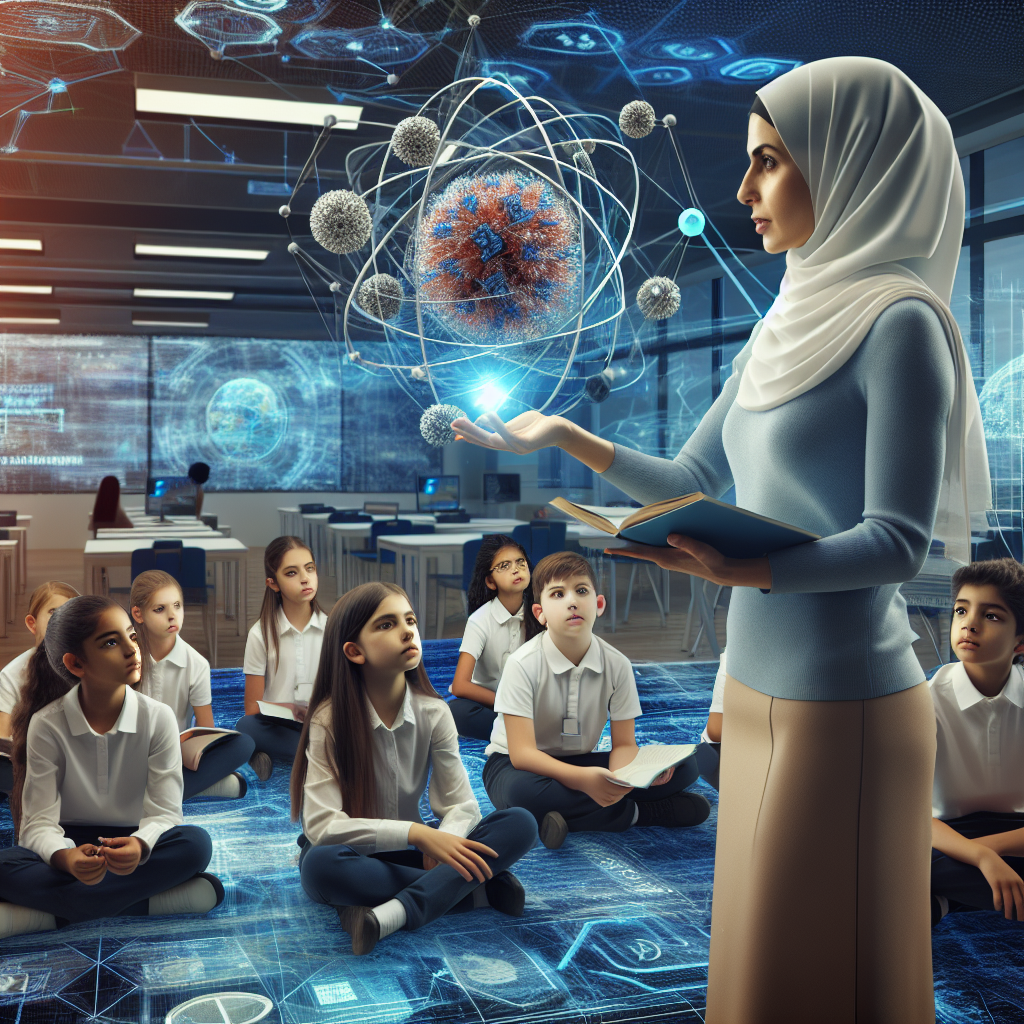
Beyond the Traditional: Innovative Accommodations for Students with Learning Disabilities
Introduction
In an era where education is increasingly tailored to meet individual needs, one area that remains a challenge is how to effectively support students with learning disabilities. Traditional accommodations, such as extended test time or quiet rooms, have laid the groundwork for fostering inclusivity, yet they often fall short of addressing the unique challenges faced by these students. Today, we will explore Beyond the Traditional: Innovative Accommodations for Students with Learning Disabilities, highlighting transformative strategies that can redefine the educational landscape for these learners.
Imagine a classroom where every student, regardless of their learning capabilities, feels empowered to maximize their potential. This vision is achievable through innovative practices that not only support learning but also inspire engagement and self-advocacy.
Understanding Learning Disabilities
To fully appreciate the need for innovative accommodations, we first must understand what learning disabilities encompass. These conditions, which include dyslexia, dyscalculia, attention deficit hyperactivity disorder (ADHD), and more, can significantly affect how students process information and interact with their environment. While traditional accommodations serve as vital first steps, we must also recognize that the needs of these students extend far beyond basic adjustments.
The Challenge in Traditional Approaches
Traditional accommodations often focus on logistical adjustments without considering the holistic needs of students. For instance, while allowing extra time for tests can alleviate pressure, it does not address the underlying issues some students face with comprehension or retention. Therefore, there is a pressing need to explore Beyond the Traditional: Innovative Accommodations for Students with Learning Disabilities, which can provide deeper, more meaningful support.
Innovative Accommodations
1. Technology Integration
The advent of technology has transformed educational landscapes, and for students with learning disabilities, it offers unprecedented opportunities for tailored learning.
Case Study: Assistive Technologies
Consider a student named Maya, who struggles with dysgraphia, making writing tasks particularly daunting. By utilizing speech-to-text software, Maya can express her ideas without the mental block posed by handwriting. This accommodation not only enhances Maya’s confidence but also allows her to engage more actively in class discussions.
Table 1: Examples of Assistive Technologies
| Technology | Learning Disability Addressed | Benefits |
|---|---|---|
| Text-to-Speech Software | Dyslexia | Improves reading fluency |
| Speech-to-Text Tools | Dysgraphia | Facilitates written expression |
| Interactive Apps | ADHD | Enhances focus and engagement |
2. Flexible Learning Environments
Flexible and dynamic learning environments are gaining traction as a way to cater to diverse learning styles. These spaces not only embrace physical mobility but also promote a range of activities from group work to individual projects.
Case Study: Classroom Design
At Lincoln High School, a classroom reconfiguration allows for movable furniture, enabling students to choose their seating arrangement based on their comfort. Students like Jake, who experiences sensory processing difficulties, find it easier to concentrate in a personalized space that reduces distractions.
3. Personalized Learning Plans
A one-size-fits-all approach is not sufficient for students with learning disabilities, which is why personalized learning plans (PLPs) are gaining attention.
Case Study: Strength-Based Focus
At Parkview Academy, educators work collaboratively with students and their families to create PLPs that emphasize strengths rather than deficits. For example, Tom, who excels in visual arts, is encouraged to create visual presentations for his subjects, integrating art into his learning process. This not only nurtures his talents but also boosts his self-esteem.
Table 2: Components of Personalized Learning Plans
| Component | Description |
|---|---|
| Strength Identification | Recognizing what the student excels at |
| Custom Content | Tailoring learning materials to interests |
| Continuous Feedback | Regularly adjusting strategies based on performance |
4. Social-Emotional Learning (SEL)
Social-emotional learning (SEL) has emerged as an essential component to support students, particularly those with learning disabilities. By fostering emotional intelligence and social skills, schools can create a more nurturing atmosphere.
Case Study: Peer Mentoring Programs
At Riverside School, a peer mentoring program consists of buddies assigned to students with learning disabilities. This initiative not only empowers the mentees like Sara—who has ADHD—but also enriches the mentors’ understanding of empathy and inclusivity, thereby fostering a supportive community.
5. Collaborative Teaching Models
Innovative classroom structures that embrace collaboration among educators can enhance the learning experience for students with learning disabilities.
Case Study: Co-Teaching
At Brookfield Middle School, a co-teaching approach pairs special educators with general education teachers. When a student like Liam, who has a learning disability, is in a maths class, he benefits from individualized instruction while still being included in the general curriculum. This model demonstrates the power of collaboration and its role in personalizing learning experiences.
The Role of Families and Communities
Beyond traditional school settings, the involvement of families and communities plays a vital role in supporting students with learning disabilities.
Engaging Parents and Guardians
Involving families in the educational journey can lead to enhanced outcomes for students. Schools can host workshops that educate parents on innovative strategies and accommodations available for their children.
Case Study: Community Resource Fairs
Community fairs at Maplewood High School have demonstrated success in linking families with local resources, such as tutoring programs and mental health services. This connection between home and school fosters a supportive network for students.
Building Inclusive School Cultures
Creating a culture of inclusivity should be a collaborative effort. Schools can implement programs aimed at reducing stigma surrounding learning disabilities, encouraging empathy and understanding among all students.
Case Study: Anti-Bullying Campaigns
The “Celebrate Differences” campaign at Harrison Elementary successfully raised awareness about learning disabilities, leading to increased peer support and acceptance. Students reported a noticeable decline in bullying and a more welcoming environment.
Conclusion
The exploration of Beyond the Traditional: Innovative Accommodations for Students with Learning Disabilities unveils a wealth of strategies that go beyond basic adjustments. From utilizing technology to embracing flexible learning environments, the possibilities are exciting and empowering.
In an educational landscape that is constantly evolving, it is crucial for educators, families, and communities to work in unison—creating an ecosystem that supports every learner. By adopting innovative accommodations and practices, we can cultivate an inclusive environment where all students flourish.
Let us commit to breaking down barriers and advocating for change, one innovative accommodation at a time.
FAQs
1. What are some common learning disabilities?
Common learning disabilities include dyslexia, dyscalculia, dysgraphia, and ADHD. Each affects learning in different ways, making tailored accommodations essential.
2. How can schools implement innovative accommodations?
Schools can implement innovative accommodations by embracing technology, creating personalized learning plans, and fostering social-emotional learning among students.
3. What role do families play in supporting students with learning disabilities?
Families can support students by being involved in their education, advocating for appropriate accommodations, and providing emotional support at home.
4. Are there any specific technologies recommended for students with learning disabilities?
Yes, technologies such as text-to-speech software, speech-to-text tools, and interactive learning apps can significantly support students with various learning disabilities.
5. How does personalized learning differ from traditional teaching methods?
Personalized learning focuses on the strengths and interests of each student, allowing for tailored instruction and pacing, whereas traditional teaching often follows a one-size-fits-all approach.
6. Why is it important for schools to foster an inclusive culture?
Fostering an inclusive culture is essential as it not only supports students with learning disabilities but also promotes empathy and understanding among all students, contributing to a healthier school community.
By exploring innovative methodologies and prioritizing the needs of learners with disabilities, we embrace a future of conscious, inclusive education that champions every student.

