


Breaking Barriers: How to Support Dyslexic Readers in the Classroom – The Ultimate Guide
Introduction
Imagine stepping into a classroom filled with eager young minds, all ready to absorb knowledge. Yet, in this vibrant environment, one child struggles to keep up despite their innate intelligence and potential. For many dyslexic readers, this scenario is a daily reality. It’s not that they lack effort; it’s that traditional teaching methods often overlook their unique learning needs. In this article, “Breaking Barriers: How to Support Dyslexic Readers in the Classroom,” we will explore practical, proven strategies to create an inclusive learning environment that celebrates diversity and empowers every student.
Understanding Dyslexia
What is Dyslexia?
Dyslexia is a specific learning disability that affects a person’s ability to read, write, and spell. It is neurobiological in origin and often runs in families. Unlike general learning disabilities, dyslexia specifically impacts the processing of written language while preserving the individual’s overall cognitive abilities.
Did You Know?
According to the International Dyslexia Association, about 15-20% of the population has some symptoms of dyslexia, making it one of the most common learning disabilities in the U.S.
Signs and Symptoms
Recognizing dyslexia early is crucial for effective intervention. Common signs include:
- Difficulty decoding words
- Challenges with spelling
- Trouble with reading comprehension
- A tendency to avoid reading aloud
By understanding these signs, educators can offer timely support.
Breaking Barriers: Strategies for the Classroom
1. Create a Supportive Environment
Foster Empathy and Understanding
Encourage a culture of empathy in the classroom. Peer tutoring programs can help students understand and support each other, fostering a more inclusive classroom environment.
Case Study: Westwood Elementary School
Westwood Elementary initiated a peer buddy system where students assist each other in reading tasks. This approach didn’t just help dyslexic readers; it fostered compassion among all students, breaking down barriers and enhancing community spirit.
| Strategies | Benefits |
|---|---|
| Peer Tutoring | Increases confidence and reduces feelings of isolation. |
| Group Projects | Encourages collaboration and mutual support. |
2. Tailored Instructional Techniques
Multi-Sensory Approaches
Employing multi-sensory instructional techniques can enhance learning experiences. Techniques such as the Orton-Gillingham method, which integrates visual, auditory, and kinesthetic learning, have shown significant improvement in reading skills for dyslexic students.
3. Utilize Assistive Technology
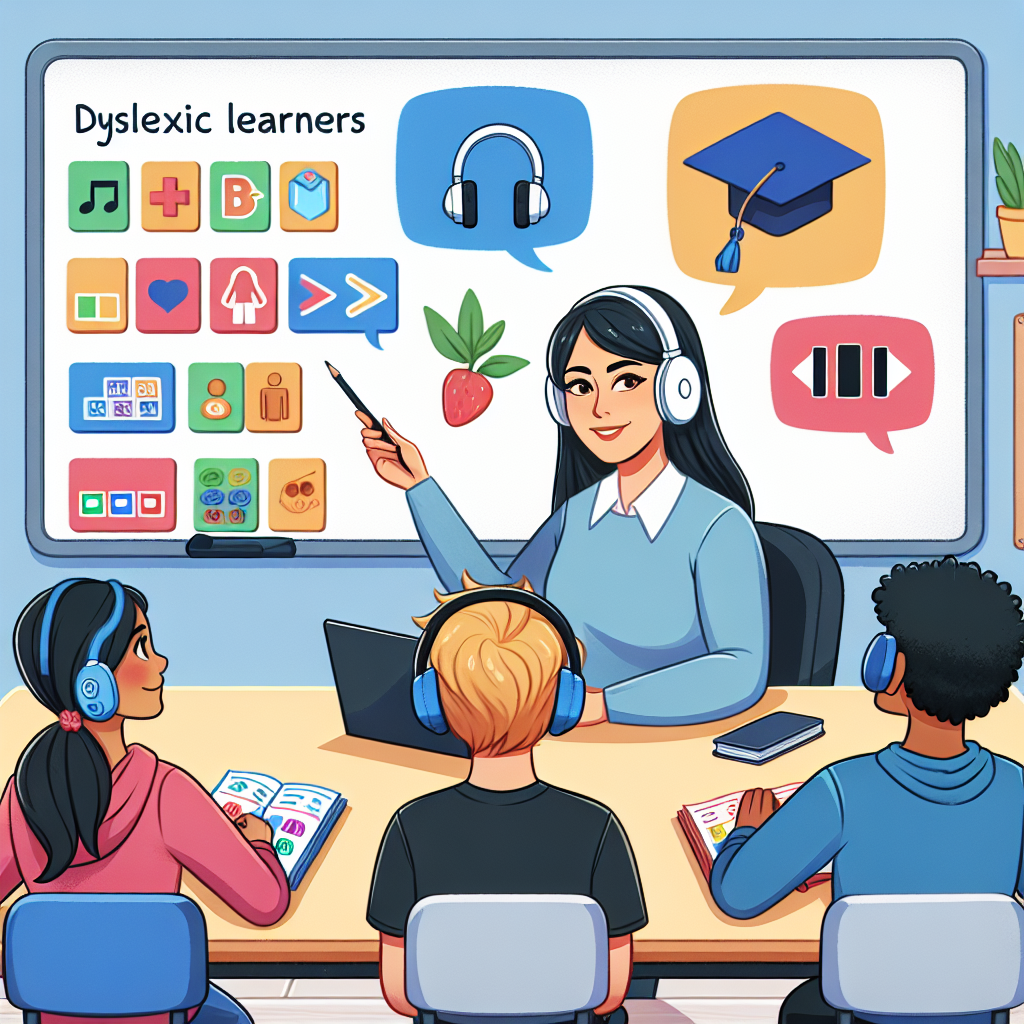
Incorporating technology in the classroom can revolutionize the learning experience for dyslexic readers. Tools such as text-to-speech software, audio books, and word prediction can greatly ease the reading process.
Case Study: Maple Grove Middle School
Maple Grove Middle School implemented a one-to-one device program, providing each student with access to tablet applications specifically designed for dyslexia. The results were remarkable, with reading scores improving by an average of 30% over a year.
4. Flexible Assessment Methods
Consider alternative ways to evaluate comprehension and understanding. Instead of traditional tests, utilize portfolios, oral presentations, or project-based assessments that allow students to demonstrate their knowledge without the added pressure of reading and writing.
5. Collaborate with Specialists
Partnerships with special education teachers, literacy coaches, and school psychologists can provide additional resources and training for classroom teachers, ensuring a well-rounded approach to supporting dyslexic readers.
Engaging with Families
Importance of Home-School Collaboration
Engaging families opens communication channels that can significantly support dyslexic readers. Educate parents about the challenges their children face and involve them in the learning process.
Case Study: Oak Ridge School District
At Oak Ridge School District, regular workshops were held for parents on supporting dyslexic readers at home. Parents reported feeling more empowered and equipped, leading to improved student performance and confidence.
Overcoming Common Misconceptions
Myth: Dyslexia Equals Low Intelligence
One of the most damaging myths is that dyslexic individuals are less intelligent. It’s vital to dispel this misconception, highlighting that many dyslexic people possess exceptional creativity, problem-solving skills, and innovative thinking.
Myth: Children Will Outgrow Dyslexia
While some children may improve over time, dyslexia is often a lifelong condition. Consistent support and understanding are crucial for helping individuals thrive regardless of age.
Inclusive Curriculum Development
Adaptable Lesson Plans
Design lesson plans that incorporate various learning styles. Use visuals, games, and hands-on activities to engage dyslexic readers effectively.
Continuous Professional Development
Educators should seek ongoing training and development opportunities to learn about the latest research and strategies for teaching dyslexic students. Workshops, conferences, and online courses can offer valuable insights.
Building a Resource Library
Compile a library of resources including books, articles, and websites focused on dyslexia. This can serve as a go-to for both teachers and students seeking assistance or further learning opportunities.
Final Thoughts
Breaking barriers for dyslexic readers in the classroom is not just about implementing strategies; it’s about fostering an inclusive environment that champions diversity. By understanding, supporting, and empowering these students, we can help them unlock their full potential.
Conclusion
By actively engaging with dyslexic readers, employing practical strategies, and educating both teachers and families, we can break down the barriers that hinder their success.
Let’s inspire change and create a world where every student has the opportunity to shine. Remember, supporting dyslexic readers in the classroom isn’t just a professional obligation; it’s a moral imperative.
FAQs
1. What are the early signs of dyslexia?
Early signs include difficulty recognizing letters, trouble with rhyming, and challenges with pronunciation. Early interventions can help significantly.
2. How can I differentiate instruction for dyslexic students?
Use varied instructional strategies, such as multi-sensory learning and flexible assessments to provide diverse methods of engagement.
3. What assistive technologies are best for dyslexic readers?
Popular options include text-to-speech tools, audiobooks, and specialized writing software that can aid comprehension and expression.
4. Is dyslexia linked to low self-esteem?
Regrettably, yes. Dyslexic students may experience frustration and low self-esteem due to ongoing challenges, emphasizing the need for supportive interventions.
5. Can dyslexic students succeed in higher education?
Absolutely. Many dyslexic individuals excel academically and professionally when provided with appropriate accommodations and support.
6. What role do parents play in supporting their dyslexic children?
Parents are crucial in advocating for their children’s needs, reinforcing learning strategies at home, and fostering a positive learning attitude.
By focusing our efforts on "Breaking Barriers: How to Support Dyslexic Readers in the Classroom," we can ensure that no child is left behind and every learner can thrive. Your commitment to this goal will make all the difference.

