


Introduction
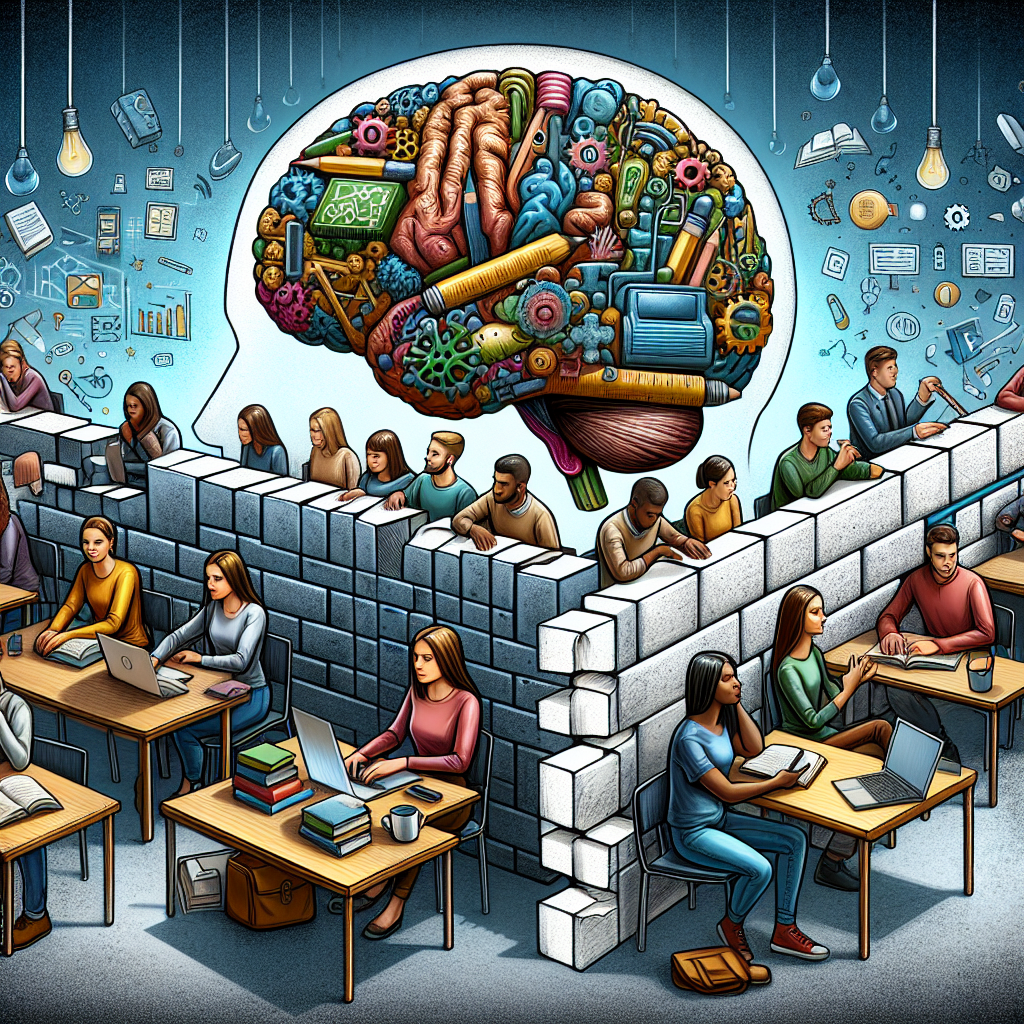
Imagine a world where the doors to advanced education swing wide open for all individuals, regardless of their background or circumstances. Breaking Down Barriers: Accessibility in Psychology PhD Programs isn’t just a guiding philosophy; it’s a crucial movement that ensures diversity and inclusivity in the field of psychology. As we delve deeper into this topic, we’ll uncover how academic institutions can transform their landscapes to be more welcoming and accessible, the benefits this brings, and real-world examples that exemplify progress.
Understanding Accessibility in Academia
The Current Landscape
The pursuit of a Psychology PhD can be a challenging journey, often marred by systemic barriers such as financial limitations, inadequate representation, and insufficient institutional support. Breaking Down Barriers: Accessibility in Psychology PhD Programs necessitates examining these obstacles and implementing concrete solutions.
Why Accessibility Matters
In diverse societies, access to education is not merely a privilege but a right. Increasing accessibility in psychology PhD programs ensures a richer pool of knowledge, perspectives, and innovation. By attuning our practices to the needs of all students, we cultivate a more nuanced and impactful field.
Key Barriers to Accessibility
Financial Constraints
One of the most pressing issues is financial accessibility. High tuition fees and associated costs can deter capable students from pursuing advanced degrees.
Case Study: The Graduate Student Debt Crisis
According to a report from the Institute for College Access and Success, about 68% of graduates leave graduate school with debt, averaging around $28,000. Programs that offer scholarships or stipends can significantly alleviate this burden.
| Year | Average Debt | Percentage of Graduates with Debt |
|---|---|---|
| 2018 | $28,000 | 68% |
| 2019 | $29,000 | 70% |
| 2020 | $30,000 | 73% |
Underrepresentation
Historically, marginalized groups have been underrepresented in psychology. This lack of diversity can perpetuate biases in research and practice.
Case Study: Increasing Diverse Representation at University X
University X implemented initiatives aimed at recruiting a more diverse student body. By partnering with community organizations and providing mentorship, they increased enrollment of underrepresented students by 40% in just three years.
Inadequate Support Systems
Many psychology PhD programs lack the necessary support structures for students with disabilities, international students, or those navigating different life challenges.
Case Study: Tailored Support Services at University Y
University Y introduced personalized support plans for students requiring additional assistance. As a result, retention rates improved significantly, showcasing that when needs are met, success follows.
Solutions for Enhanced Accessibility
Financial Aid Reform
Enhanced financial aid options can ease the burden on students. Universities should be proactive in expanding their scholarship programs and creating more flexible payment plans.
Community Partnerships
Establishing partnerships with community organizations can help universities reach prospective students from diverse backgrounds. This will facilitate outreach and make clear the pathways available for underrepresented groups.
Support Networks and Resources
Building robust support networks that include counseling, mentoring, and tutoring services is essential. Programs should integrate these support systems into their structure to ensure that all students can thrive.
The Role of Technology
Online Learning Platforms
The rise of technology has created opportunities to make higher education more accessible. Online learning platforms can accommodate different learning styles and time constraints.
Case Study: Flexible Learning at University Z
University Z adopted a hybrid learning model combining online and in-person classes, resulting in increased enrollment and participation from working professionals and parents, who expressed deep appreciation for this flexibility.
Accessible Course Materials
Institutions must ensure that all course materials are accessible, utilizing formats that cater to a diverse range of learning needs, including visual and auditory learning methods.
The Benefits of Accessibility in Psychology PhD Programs
Enhanced Research and Innovation
Diversity fuels creativity, which can lead to groundbreaking research and innovative practices in psychology. Programs that embrace inclusiveness are likely to produce better outcomes for their communities.
Improved Student Success Rates
When students feel supported and represented, they are more likely to succeed academically. Programs designed with accessibility in mind often witness higher retention and graduation rates.
Conclusion
Breaking Down Barriers: Accessibility in Psychology PhD Programs is not just an academic ideal; it’s a necessity for the evolution of psychology as a field. By implementing systemic changes that promote financial aid, representation, support networks, and technology utilization, we can create a vibrant and inclusive academic landscape.
Actionable Insights
- Advocates for Change: Position yourself as an advocate for increased accessibility in your program.
- Engage with Your Institution: Collaborate with administration to raise awareness about barriers affecting prospective students.
- Personal Commitment: Pledge to cultivate an inclusive culture within your educational environment.
FAQs
1. What are the average costs of Psychology PhD programs?
The average costs vary widely, but students can expect tuition fees of $20,000 to $50,000 per year, excluding living expenses.
2. How do I find financial aid for my Psychology PhD?
Start by checking your chosen university’s financial aid office and explore external scholarships dedicated to psychology students.
3. What support systems should I look for in a program?
Look for mentoring programs, access to counseling services, and academic support tailored to your needs.
4. Why is diversity important in psychology?
Diversity enriches research and practice by ensuring that various perspectives and experiences are included, leading to more effective psychological practices.
5. How can technology enhance accessibility in psychology education?
Technology can facilitate flexible learning environments, provide access to resources, and create networks of support that were previously unavailable.
In conclusion, Breaking Down Barriers: Accessibility in Psychology PhD Programs is not merely a slogan but a call to action for stakeholders across the academic field. By prioritizing access and inclusivity, we can transform the psychological landscape for everyone.


The PsyForU Editorial Collective is the research and editorial team of PsyForU Research International. The collective prepares educational, psychological, mental-health-awareness, inclusion, neurodiversity, and research-methodology content for students, parents, educators, researchers, and general readers. PsyForU content is intended for awareness, education, and capacity-building and should not be treated as clinical diagnosis, therapy, medical advice, legal advice, or emergency mental-health support.