


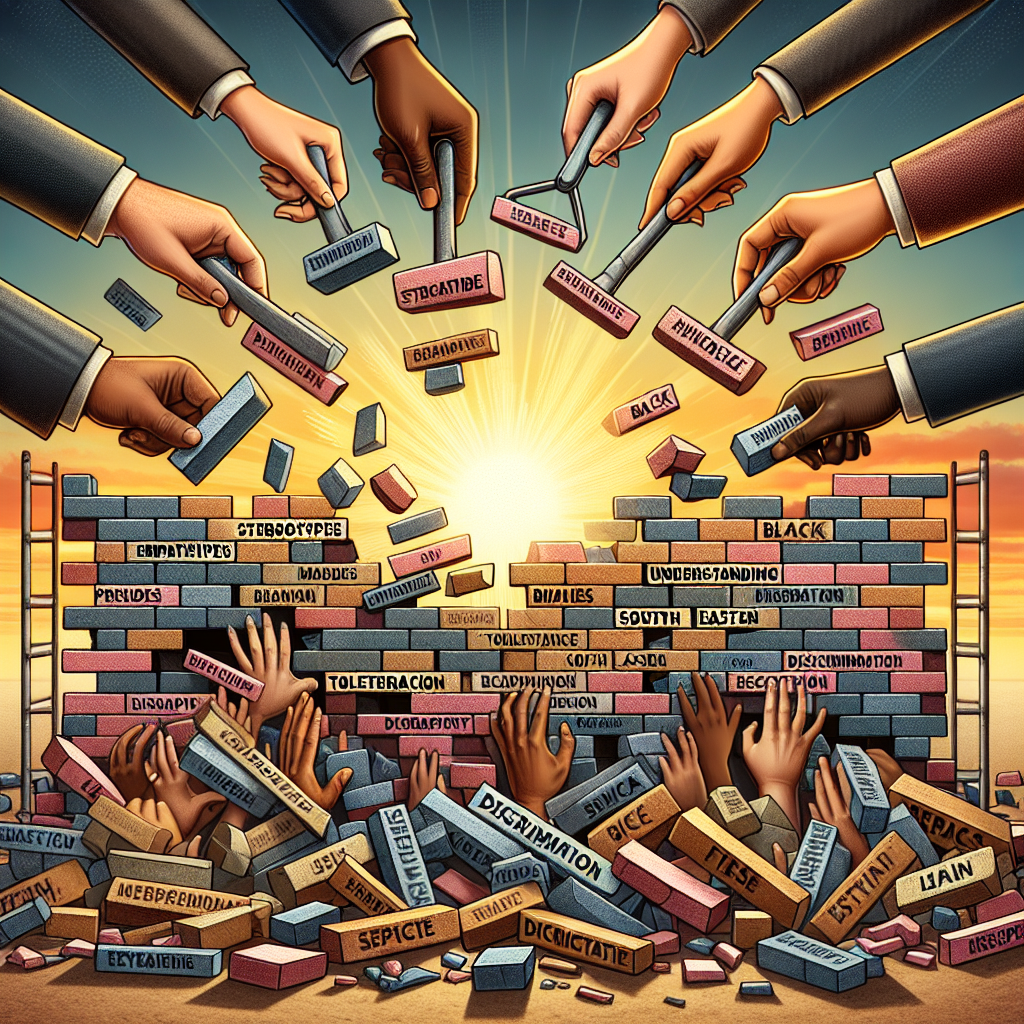
Breaking Down Barriers: How Behavioral Psychology Enhances Diversity and Inclusion
In a world where diversity and inclusion are no longer optional but essential for the success of any organization, understanding the psychological dynamics at play is crucial. This is where behavioral psychology steps in. It offers insights and strategies that help not only to enhance diversity and inclusion but also to transform workplaces into thriving ecosystems where every individual feels valued and empowered.
Introduction
Imagine walking into a workplace where every person feels seen, heard, and appreciated for who they are. In this environment, diverse voices come together to form a chorus of innovation, collaboration, and creativity. But how do we get there? The key lies in breaking down barriers—not just the barriers of race, gender, or disability, but also those ingrained in our own biases and behaviors. Behavioral psychology gives us a roadmap to navigate these challenges effectively.
By understanding the behavioral patterns that contribute to exclusion, organizations can implement strategies that foster a culture of belonging. This article will delve deep into breaking down barriers by showcasing how behavioral psychology enhances diversity and inclusion, providing compelling case studies, actionable insights, and practical strategies for organizations striving to create inclusive environments.
Behavioral Psychology: A Foundation for Understanding Diversity
What is Behavioral Psychology?
Behavioral psychology, also known as behaviorism, focuses on understanding individuals’ behaviors and the influences that shape them. Unlike traditional psychological theories that delve into internal thoughts and feelings, behavioral psychology emphasizes observable behaviors and the role of the environment in shaping those behaviors.
This perspective is essential when discussing diversity and inclusion because it allows us to examine how our actions contribute to—or hinder—an inclusive environment. Through this lens, we can identify biases, understand the effects of stereotypes, and develop interventions that impact behaviors positively.
The Importance of Understanding Bias
Unconscious bias plays a pivotal role in perpetuating exclusion in various settings. Behavioral psychology helps in breaking down these barriers by illuminating the underlying mechanisms of bias. Studies have shown that people tend to favor those who are similar to themselves—a phenomenon known as in-group favoritism. This can manifest in numerous ways, from hiring patterns to workplace dynamics.
Case Study: Google’s Unconscious Bias Training
In 2013, Google launched an unconscious bias training program aimed at educating employees about their implicit biases. This program is rooted in behavioral psychology principles, emphasizing that awareness is the first step in breaking down barriers. Following the training, Google reported a measurable increase in the diversity of its workforce—a clear indicator that targeted behavioral interventions can yield significant results.
The Role of Environment in Shaping Behaviors
Spaces heavily influence interactions and relationships within organizations. Simple changes in the environment can motivate more inclusive behaviors. For example, arranging office spaces to encourage collaboration can foster cross-cultural connections and break down silos.
Case Study: Deloitte’s Inclusive Work Environment
Deloitte revamped its office layout to facilitate collaboration among teams from different backgrounds, effectively fostering greater understanding and synergy among diverse employees. By utilizing principles of behavioral psychology, Deloitte demonstrated that an inclusive environment can lead to enhanced creativity and innovation.
Behavioral Strategies for Enhancing Diversity and Inclusion
Employing Empathy
Empathy is a cornerstone of effective communication and relationship-building in diverse teams. Behavioral psychology emphasizes the importance of empathy in promoting inclusion. Organizations can train employees to practice empathy actively through workshops and role-playing exercises, fostering a culture of understanding and collaboration.
Case Study: Starbucks Empathy Training
In 2018, Starbucks faced a backlash over a racial incident in one of its stores. In response, the company closed 8,000 locations for a day to conduct racial bias training. The training focused on understanding different perspectives and fostered an atmosphere of empathy. The aftermath saw measurable improvements in customer relations and internal collaboration—an example that empathy-driven strategies can significantly enhance diversity and inclusion.
Encouraging Open Dialogue
Creating platforms for open dialogue about diversity can break down barriers and foster understanding. Behavioral psychology suggests that when individuals feel safe to express their thoughts and experiences, it reduces defensiveness and promotes constructive conversations.
Case Study: Microsoft’s Inclusivity Weeks
Microsoft organizes Inclusivity Weeks where employees are encouraged to share personal stories about diversity challenges and successes. Such initiatives have led to a more open culture where employees feel comfortable discussing their differences and learning from one another, thus enhancing workplace dynamics.
Accountability and Feedback Mechanisms
Behavioral psychology also emphasizes the importance of accountability. Establishing feedback mechanisms encourages individuals to reflect on their behavior and its alignment with the organization’s diversity and inclusion goals. Regular check-ins and assessments can help maintain focus on inclusivity efforts.
Case Study: Accenture’s Inclusion Scorecard
Accenture utilizes an inclusion scorecard that assesses the firm’s diversity metrics alongside employee engagement and satisfaction data. By holding departments accountable for their diversity efforts, Accenture has seen a steady increase in both diversity and employee morale.
The Business Case for Diversity and Inclusion
Innovation Through Diversity
A diverse workforce contributes to a wealth of ideas and perspectives. Behavioral psychology indicates that diverse teams are more innovative, as members challenge each other’s viewpoints and push the boundaries of conventional thinking.
Table: Innovation Metrics in Diverse Teams
| Metric | Homogeneous Teams | Diverse Teams |
|---|---|---|
| Creative Output (Ideas) | 50 | 100 |
| Problem-Solving Speed | 30% slower | 30% faster |
| Team Satisfaction | 70% | 90% |
This table clearly illustrates how diversity catalyzes innovation, reinforcing the need for organizations to break down barriers and enhance inclusion.
Financial Performance
Organizations that prioritize diversity and inclusion outperform their competitors financially. According to a study by McKinsey, companies in the top quartile for gender diversity on executive teams are 21% more likely to experience above-average profitability.
Challenges to Implementing Effective Inclusion Strategies
Resistance to Change
Resistance often arises when organizations attempt to implement new diversity and inclusion initiatives. Behavioral psychology teaches that introducing change gradually while demonstrating the benefits of diversity can help alleviate resistance.
Tokenism
Tokenism can undermine genuine diversity efforts, as merely including diverse individuals without integrating their perspectives can backfire. Ensuring that diverse voices are not just present but actively engaged in decision-making is crucial.
Overcoming Stereotypes
Stereotypes can be deeply ingrained and challenging to dismantle. Training programs that incorporate principles of behavioral psychology, like perspective-taking, are vital for employees to understand and confront these biases effectively.
Conclusion
Breaking down barriers is not just a goal; it is a journey toward a more inclusive future shaped by the principles of behavioral psychology. By understanding the dynamics of human behavior, organizations can cultivate environments where diversity is celebrated, and every employee feels empowered.
As we look to the future, let’s remember: diversity is not just about numbers; it’s about creating a culture where everyone is seen, heard, and valued. Implementing effective behavioral strategies can lead us down this path, offering actionable insights that can inspire change.
FAQs
1. How can behavioral psychology help combat unconscious bias?
Behavioral psychology provides tools and frameworks that increase awareness of implicit biases, allowing individuals to modify their behaviors toward inclusivity.
2. What’s the first step organizations can take to promote inclusivity?
The initial step is to facilitate empathy and awareness training that educates employees about biases and promotes understanding diverse perspectives.
3. How does diversity impact team performance?
Diversity is directly linked to enhanced creativity and problem-solving abilities, as diverse teams bring varied perspectives that lead to innovative solutions.
4. What challenges do organizations face in implementing diversity programs?
Common challenges include resistance to change, tokenism, and overcoming entrenched stereotypes. Recognizing these barriers enables organizations to develop effective strategies.
5. How can organizations measure the success of their diversity efforts?
Success can be measured through metrics such as employee satisfaction, diversity in leadership roles, retention rates, and overall organizational performance.
In summary, breaking down barriers through behavioral psychology is not a mere suggestion—it’s a necessity for organizations striving for growth, innovation, and unity in diversity. Let’s commit to this journey toward a more inclusive world where all voices can thrive.

