


Introduction
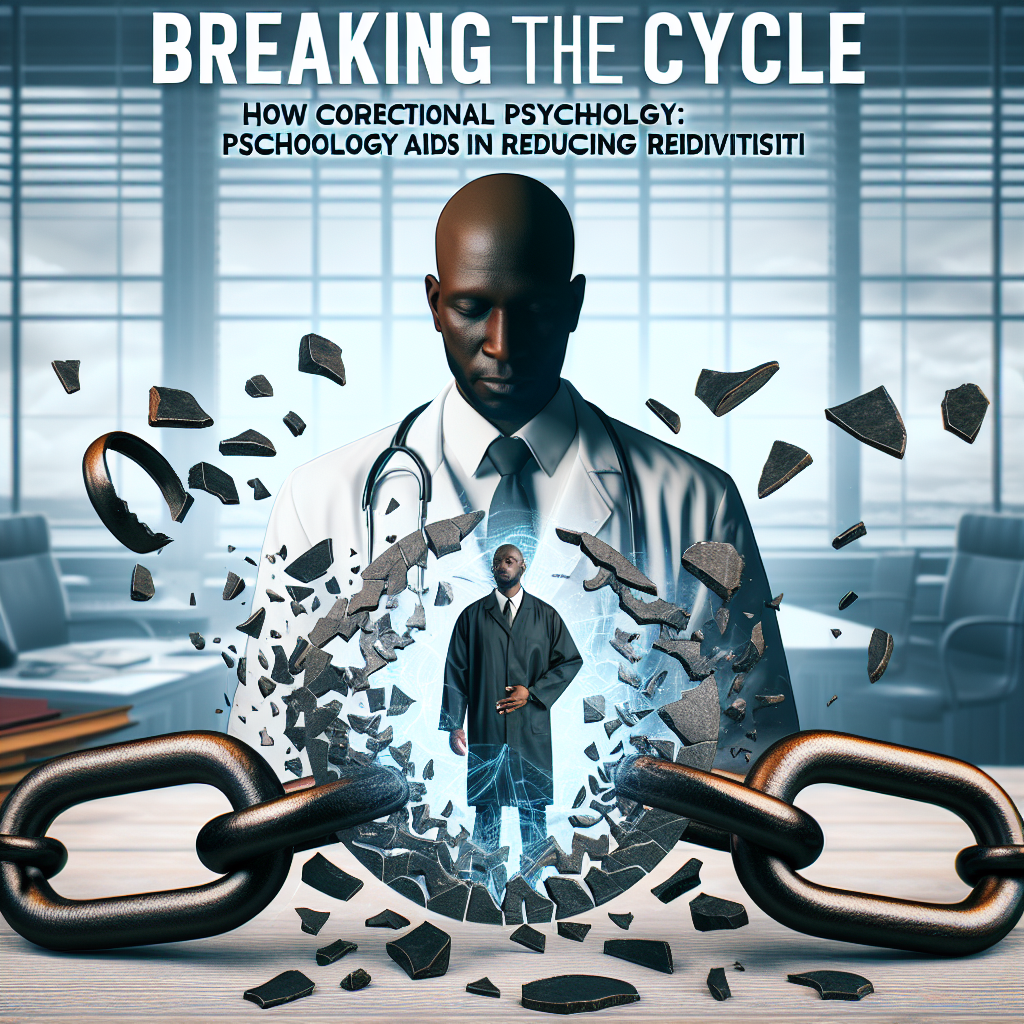
In the complex labyrinth of the justice system, recidivism remains a formidable challenge. Every year, millions of individuals leave the confines of correctional facilities, yet a staggering percentage find their way back, mired in a cycle that seems almost inevitable. But what if we told you that there is a way to break this cycle? Breaking the Cycle: How Correctional Psychology Aids in Reducing Recidivism explores the transformative role of correctional psychology in this endeavor. By addressing the psychological underpinnings of criminal behavior, we can create pathways to sustainable rehabilitation.
The urgency of this topic resonates deeply in today’s society. With the U.S. recidivism rate hovering around 68% within three years of release, traditional punitive measures are proving insufficient. The compelling question arises: How can we facilitate meaningful change? Join us on a journey through cutting-edge psychological practices that aim not just to reduce recidivism, but to rewrite lives.
Understanding Recidivism
What is Recidivism?
Recidivism refers to the tendency of a former convict to relapse into criminal behavior, leading to re-arrest, reconviction, or reincarceration. According to the Bureau of Justice Statistics, nearly two-thirds of released prisoners are re-arrested within three years. This alarming statistic serves as a grim reminder of the cyclical nature of crime and punishment.
The Impact of High Recidivism Rates
The ramifications of high recidivism rates extend far beyond individual lives. Communities are affected, public resources are strained, and societal trust erodes. The financial burden on taxpayers is substantial—costing billions each year in incarceration alone. It is imperative to address this cycle not only for the individuals involved but for society as a whole.
The Role of Correctional Psychology
What is Correctional Psychology?
Correctional psychology integrates psychological theories and practices to help individuals within the correctional system. This branch of psychology seeks to understand the mental health issues, behavioral patterns, and socio-economic factors that contribute to criminal behavior.
The Goals of Correctional Psychology
-
Assessment: Evaluating the psychological state of offenders to tailor effective rehabilitation programs.
-
Intervention: Implementing therapeutic techniques to address factors leading to criminal behavior.
- Reintegration: Preparing inmates for a successful transition back into society, reducing the risk of recidivism.
Effective Interventions
Correctional psychology employs various evidence-based interventions aimed at creating lasting behavioral change. These include:
- Cognitive Behavioral Therapy (CBT): Helps individuals recognize and alter destructive thought patterns.
- Motivational Interviewing (MI): Encourages inmates to find personal reasons to change.
- Trauma-Informed Care: Recognizes the prevalence of trauma among offenders and integrates this understanding into rehabilitation.
Case Study: The Habilitation Program
Consider the Habilitation Program initiated in a state prison system. This innovative approach combines CBT with vocational training, enabling inmates to develop skills while addressing psychological issues. Between 2015 and 2020, participants in the program exhibited a 30% reduction in recidivism compared to non-participants. This example illustrates the efficacy of targeted psychological interventions in breaking the cycle.
Real-World Applications of Correctional Psychology
Evaluation of Programs
Real-life programs highlight the transformative potential of correctional psychology. Let’s examine a few noteworthy initiatives.
Case Study: The National Institute of Justice Reentry Program
The National Institute of Justice initiated a comprehensive reentry program that focused on mental health treatment alongside practical support services. Results showed that individuals who participated in mental health counseling had a significantly lower recidivism rate—down to 45% within three years, compared to 75% for those who did not receive such interventions.
Case Study: The Ridgeview Institute
At the Ridgeview Institute in Georgia, a program focused on substance abuse and mental health disorders demonstrated a concrete reduction in recidivism. Patients participating in their therapeutic community model had a recidivism rate of only 28% compared to a state average of 60%. By addressing the co-occurring disorders prevalent in many offenders, Ridgeview is breaking the cycle effectively.
Partnerships for Success
For correctional psychology to flourish, collaborative initiatives between correctional facilities, community organizations, and mental health providers are crucial. Establishing partnerships enables a continuum of care that extends beyond prison walls.
Table: Key Collaborative Initiatives in Correctional Psychology
| Initiative Name | Focus Area | Year Established | Outcome |
|---|---|---|---|
| Habilitation Program | Skill Development + CBT | 2015 | 30% reduced recidivism |
| NIJ Reentry Program | Mental Health & Practical Support | 2018 | 30% recidivism reduction |
| Ridgeview Institute | Substance Abuse + Mental Health | 2016 | 32% lowered recidivism |
Challenges and Barriers
Stigma and Misunderstanding
One of the most significant barriers to effectively implementing correctional psychology is societal stigma. Many believe that offenders cannot change, creating a detrimental cycle of discrimination that hampers reintegration efforts.
Funding and Resource Allocation
A lack of funding for mental health services within the correctional system inhibits the establishment and sustainability of comprehensive psychological programs. Investing in correctional psychology is essential for these interventions to have a lasting impact.
Policy Limitations
Policies often remain unchanged despite overwhelming evidence supporting psychological approaches. Advocating for legislative changes that encourage treatment over punishment can alleviate the cycle of recidivism.
Moving Forward: Solutions and Recommendations
Integrating Psychology in Policy
Policymakers must prioritize evidence-based psychological practices in correctional institutions. Legislative measures encouraging mental health treatment and vocational training can pave the way for sustainable change.
Community Involvement
Engaging community resources can serve as a bridge for individuals transitioning back into society. Community programs that focus on vocational training, mental health support, and housing can significantly reduce recidivism.
Continued Research
Ongoing research in correctional psychology is critical to developing innovative solutions that respond to the unique challenges faced by former inmates. Continuous evaluation of existing programs will ensure that they remain effective and relevant.
Conclusion
Breaking the Cycle: How Correctional Psychology Aids in Reducing Recidivism offers a beacon of hope in the fight against recidivism. By focusing on the psychological factors that contribute to criminal behavior, we can transform lives and communities. The journey toward rehabilitation is complex, but with a commitment to psychological intervention, it is possible to rewrite the narratives of countless individuals lost within the justice system.
So, what can you do to support this mission? Advocate for mental health resources, educate yourself and others about the power of psychological treatment, and support local initiatives aimed at helping former convicts reintegrate into society.
FAQs
1. What is the main goal of correctional psychology?
The primary goal of correctional psychology is to assess and treat individuals within the correctional system to reduce recidivism and promote successful reintegration into society.
2. How does cognitive behavioral therapy reduce recidivism?
Cognitive behavioral therapy helps individuals identify and change negative thought patterns that may lead to criminal behavior, ultimately promoting healthier decision-making.
3. Are there successful examples of rehabilitation programs?
Yes, there are numerous programs, such as the Habilitation Program and the NIJ Reentry Program, that have successfully reduced recidivism rates by addressing the psychological needs of inmates.
4. What barriers exist in implementing correctional psychology?
Key barriers include societal stigma, limited funding for mental health services, and outdated policies that prioritize punishment over rehabilitation.
5. How can communities support former inmates?
Communities can provide essential resources such as job training, mental health support, and housing assistance to help former inmates successfully reintegrate and reduce recidivism.
In the words of Mahatma Gandhi, "The weak can never forgive. Forgiveness is the attribute of the strong." By embracing the principles of correctional psychology, we empower individuals to break free from the shackles of their past and forge a brighter future. Together, we can break the cycle.


The PsyForU Editorial Collective is the research and editorial team of PsyForU Research International. The collective prepares educational, psychological, mental-health-awareness, inclusion, neurodiversity, and research-methodology content for students, parents, educators, researchers, and general readers. PsyForU content is intended for awareness, education, and capacity-building and should not be treated as clinical diagnosis, therapy, medical advice, legal advice, or emergency mental-health support.