Brush Away the Blues: How Art Therapy Can Alleviate Anxiety – The Ultimate Guide to Healing Through Creativity
Introduction
In our fast-paced, high-stress world, anxiety has become an unwelcome companion for many. According to the World Health Organization, anxiety disorders are among the most prevalent mental health issues globally. While traditional approaches like medication and talk therapy have their merits, a growing body of research highlights an alternative that’s as refreshing as it is effective: art therapy. In this article, we will delve deep into how art therapy can genuinely help individuals brush away the blues and find relief from anxiety.
Understanding Anxiety and How It Affects Us
Anxiety manifests in various forms, from generalized anxiety disorder (GAD) to specific phobias and panic disorders. Symptoms can range from excessive worry and irritability to physical manifestations like a racing heart and trembling.
Case Study: Sarah’s Journey
Consider Sarah, a 30-year-old professional who began experiencing increased anxiety as the demands of her job intensified. After months of sleepless nights and mounting stress, she turned to art therapy, eventually discovering a fulfilling outlet for her emotions through painting.
Sarah’s experience exemplifies the transformative power of art therapy, allowing her to express feelings she struggled to articulate verbally.
What is Art Therapy?
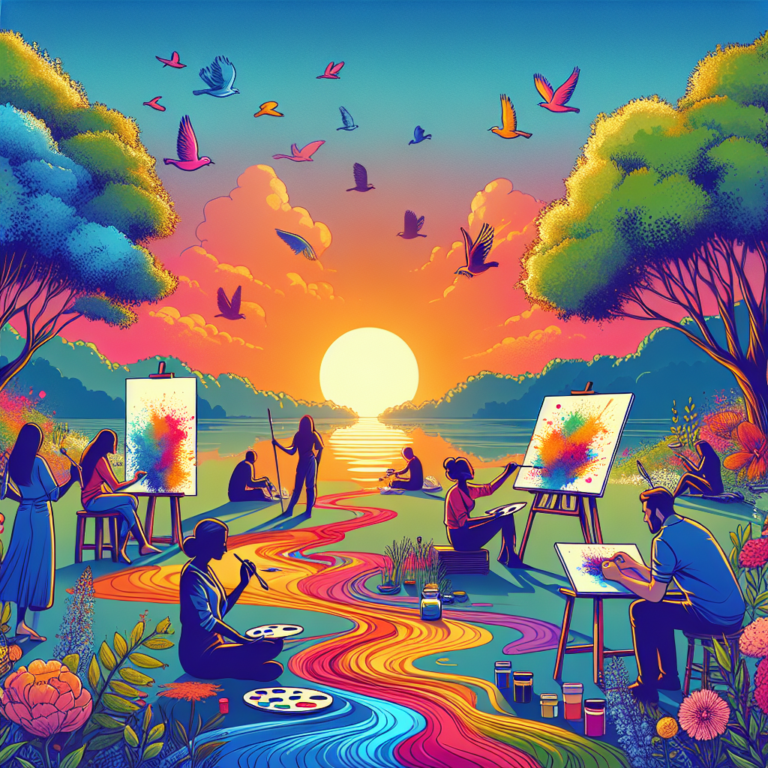
At its core, art therapy entails the use of various art forms—such as painting, drawing, and sculpting—to aid emotional healing. It is facilitated by a qualified therapist who helps clients explore their feelings and experiences through creative expression.
The Psychological Mechanism Behind Art Therapy
Art therapy taps into the non-verbal aspects of human experience. When individuals engage in art-making, they often access emotions buried deep within. The process provides a safe space where feelings can be manifested in a tangible form, helping to externalize internal struggles.
Benefits of Art Therapy for Anxiety
- Emotional Expression: Many people find it challenging to articulate their feelings. Art offers an alternative means of expression, allowing for the release of pent-up emotions.
- Mindfulness: Art therapy encourages mindfulness, leading clients to focus on the present moment, providing a welcome break from racing thoughts.
- Building Self-Esteem: Creating art can foster a sense of achievement. This boost in self-esteem can help counteract feelings of worthlessness that often accompany anxiety.
How Art Therapy Works: Techniques and Methods
Here is a brief overview of common techniques used in art therapy:
| Technique | Description |
|---|---|
| Painting | Using color and brush strokes to convey feelings, whether through abstract or representational art. |
| Sculpting | Forming three-dimensional objects enables clients to manipulate materials and express themselves physically. |
| Collage | Combining different materials can represent conflicting emotions and help individuals explore their subconscious. |
| Journaling through Art | Keeping an art journal can help track mood shifts, providing insights into triggers and patterns. |
Real-World Applications: Case Studies
Case Study: Josh’s Sculpture Breakthrough
Josh, a 25-year-old college student, felt overwhelmed with anxiety during finals. His therapist introduced him to sculpture, where he channeled his stress into creating art. This hands-on approach helped him release tension and, ultimately, improved his academic performance.
In Josh’s case, we see how physical engagement through art therapy provided him with an outlet for academic stress, directly impacting his mental state and performance.
Case Study: Emma’s Collage Journey
Emma, a 40-year-old mother, experienced anxiety following a traumatic event. Through the medium of collage, she combined images and materials that represented her feelings, allowing her to acknowledge her pain and start healing.
Emma’s journey underlines the pivotal role of art therapy in addressing trauma-induced anxiety. By constructing a physical representation of her struggle, she gained control over her narrative.
The Science Behind Art Therapy: What Research Says
Research has consistently emphasized the positive impact of art therapy on mental health. A study published in the Journal of Art Therapy highlighted that participants who engaged in art therapy reported significant reductions in anxiety and depressive symptoms compared to those receiving standard care.
- Increased Dopamine Levels: The act of creating art stimulates dopamine production, enhancing feelings of pleasure and satisfaction.
- Brain Connectivity: Engaging in creative activities strengthens connections between different brain regions, leading to improved emotional regulation.
Addressing Misconceptions
Myth 1: You Need to be an Artist
One common misconception is that individuals must possess artistic skills to benefit from art therapy. In reality, it’s not about creating masterpieces but about the creative process itself.
Myth 2: Art Therapy is Only for Children
While it’s widely used in schools, art therapy is effective for individuals of all ages. Anyone can benefit, from children to adults dealing with trauma or anxiety.
Taking the Next Steps: How to Get Started with Art Therapy
- Find a Qualified Therapist: Research local therapists who specialize in art therapy. Ensure they are licensed and have the necessary credentials.
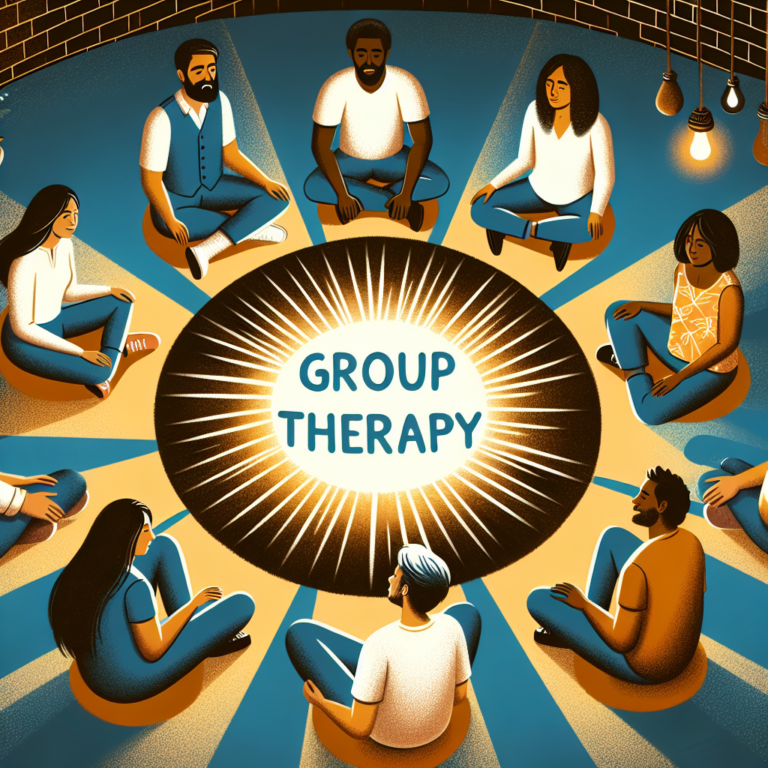
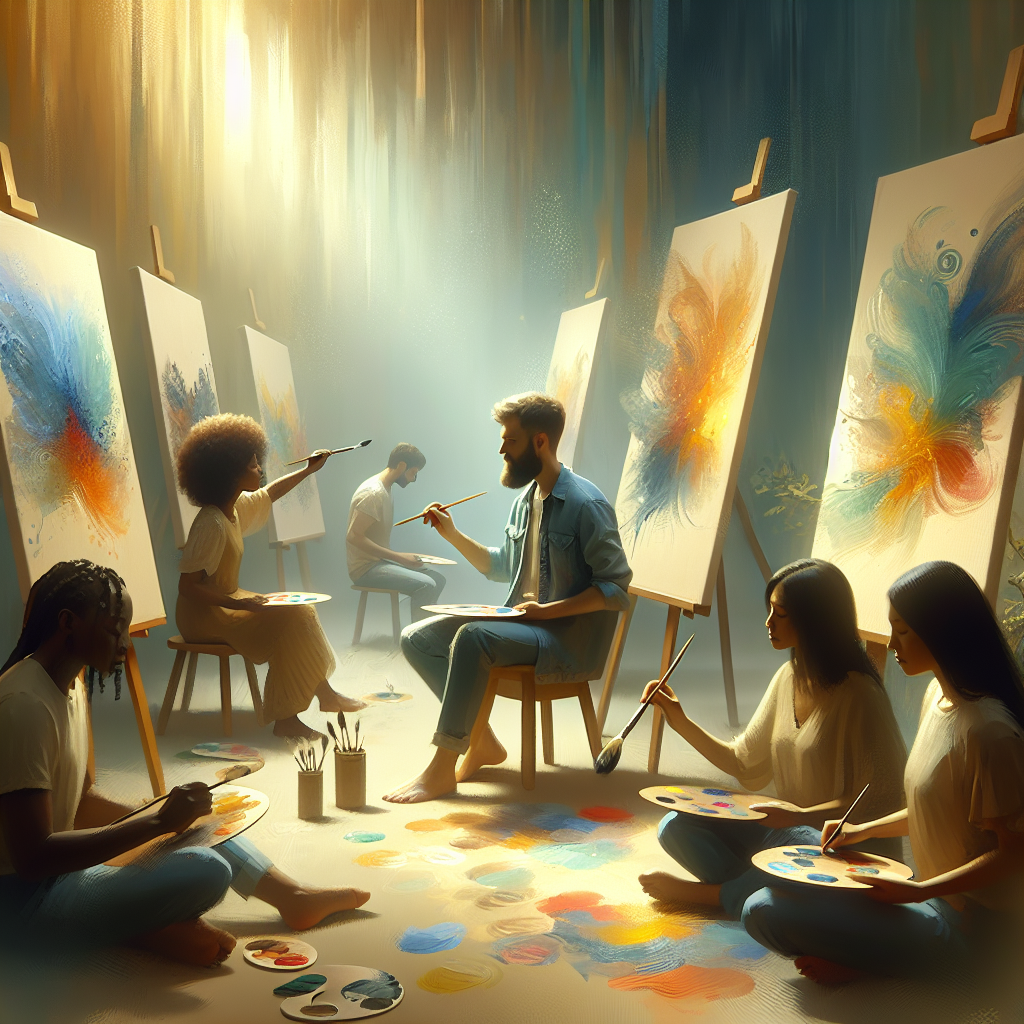
- Join a Group Session: Participating in group sessions can foster connections with others and provide supportive feedback.
- Engage in Creative Activities at Home: Even without a therapist, activities such as painting or journaling can serve as therapeutic outlets.
Conclusion
As we’ve explored, art therapy holds immense potential for alleviating anxiety. By embracing creativity, we can offer ourselves a tool to brush away the blues, fostering emotional resilience and healing. Whether through an art therapist or personal projects at home, tapping into our artistic instincts can lead to a more balanced, fulfilling life.
FAQs
1. What types of art can I use in art therapy?
You can engage in various forms, such as drawing, painting, collaging, or sculpting. The medium you choose is less important than your willingness to express yourself.
2. How long does it take to see results from art therapy?
While experiences differ, many individuals begin to notice benefits within a few sessions, particularly in terms of emotional relief and self-awareness.
3. Is art therapy suitable for children?
Yes! Art therapy can be incredibly beneficial for children, providing them with a safe space to express their feelings and emotions.
4. Can I practice art therapy on my own?
Yes, although guided sessions with a licensed professional are recommended for deeper emotional exploration, personal artistic endeavors can still provide therapeutic benefits.
5. Does art therapy replace traditional forms of treatment?
Art therapy is often used in conjunction with traditional therapies like talk therapy and medication. It offers an additional method for emotional healing.
By understanding the profound impact art can have on our mental well-being, we can unlock the doors to healing and self-discovery. So, pick up that paintbrush, or sculpt that clay, and start on your journey to brush away the blues today!
About the Author