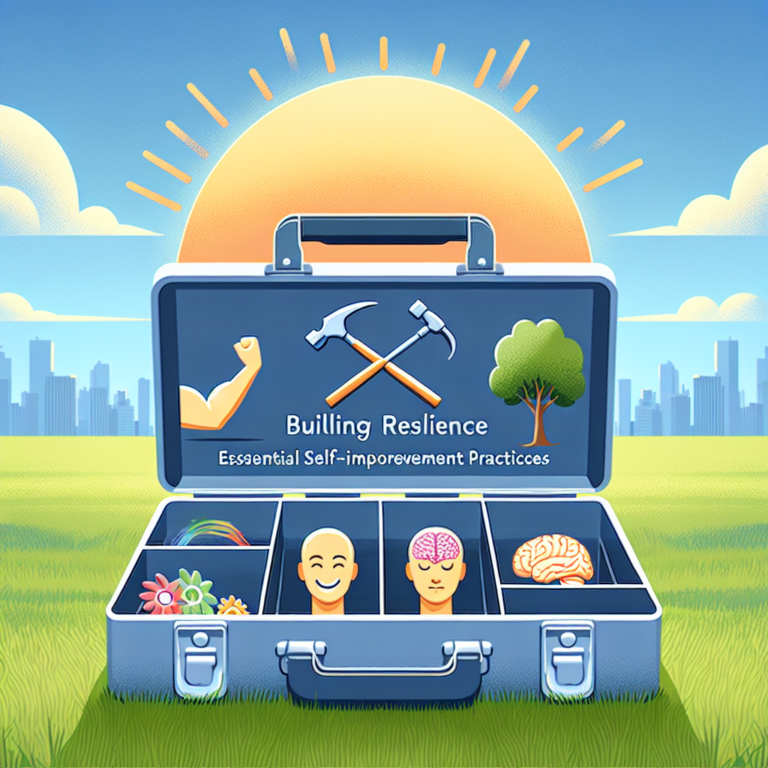
Building a Resilient You: The Proven Impact of Continuous Self-Improvement
Introduction
Life is an unpredictable journey filled with challenges, hurdles, and moments of joy. The ability to bounce back from setbacks and adapt to change is what defines resilience. In a world as dynamic as ours, building resilience is no longer just a buzzword—it’s an essential skill. Welcome to "Building a Resilient You: The Impact of Continuous Self-Improvement." This article explores the profound benefits of self-improvement and how it can significantly enhance your resilience. Whether you’re navigating personal struggles, professional challenges, or simply striving for betterment, the principles of continuous self-improvement will empower you to become your best self.
The Foundation of Resilience: Understanding Self-Improvement
What is Self-Improvement?
Self-improvement encompasses the conscious choice to engage in practices that enhance various aspects of life, from mental health to emotional well-being and career growth. This journey requires introspection, commitment, and the desire to learn.
Why Continuous Self-Improvement Matters
The process of continuous self-improvement lays the groundwork for resilience. By fostering a growth mindset, individuals become open to experience, adaptable to change, and better equipped to handle adversity. The following case study illustrates these principles in action:
Case Study: Sarah’s Transformation
Sarah, a mid-level manager at a tech company, faced significant burnout and stress due to increased job demands. Instead of succumbing to overwhelm, she sought self-improvement through workshops on time management and stress relief techniques. Over six months, her productivity increased by 40%, while her anxiety levels reduced dramatically. Sarah transformed her work-life balance, showcasing the impact of continuous self-improvement on her resilience.
The Science Behind Resilience
Resilience is not merely a personality trait but a skill that can be developed. Recent studies in psychology have shown that creating an environment conducive to self-improvement enhances resilience. According to a study published in the Journal of Resilience, individuals who actively engage in self-reflective practices report higher resilience scores.
| Findings on Self-Improvement and Resilience |
|---|
| Self-Reflection: 65% of resilient individuals regularly engage in self-reflection. |
| Adapting to Change: 78% of those committed to self-improvement find it easier to adapt to change. |
| Goal-Setting: 82% of resilient individuals regularly set and pursue personal goals. |
The Steps to Building a Resilient You
1. Cultivating Self-Awareness
Self-awareness is the cornerstone of self-improvement. It begins with understanding your strengths, weaknesses, and emotional triggers. Journaling, meditation, or feedback from friends can illuminate patterns in your behavior and thought processes.
Actionable Insight
- Practice Daily Reflection: Spend ten minutes each evening evaluating your day. Document successes and challenges, and identify areas for growth.
2. Setting Effective Goals
To make strides in resilience, one must set clear, achievable goals. The SMART criteria—Specific, Measurable, Achievable, Relevant, Time-bound—helps in maintaining focus and motivation.
Case Study: John’s Career Progression
John, an aspiring entrepreneur, set specific goals for launching his startup. By using the SMART framework, he defined actionable steps leading to the successful launch of his business within a year. His resilience in the face of financial and operational challenges was fortified through these incremental achievements.
3. Embracing Failure as Feedback
Failure can often feel like a roadblock, but with continuous self-improvement, it is merely a stepping stone.
Actionable Insight
- Reframe Failure: Instead of viewing failure as a setback, see it as valuable feedback. What lessons can you extract, and how can you apply these to future endeavors?
4. Building a Support Network
Surrounding yourself with a supportive community is vital. Mentors, friends, or professional networks can offer encouragement and constructive feedback that fosters both self-improvement and resilience.
Case Study: The Power of Community
Lisa, who struggled with isolation due to her ambitious career, joined a local entrepreneurship group. The support she received not only helped her navigate challenges but also inspired her to push boundaries she hadn’t considered before. The collective resilience of her community was contagious, illustrating the impact of continuous self-improvement through shared experiences.
5. Practicing Mindfulness and Gratitude
Resilience can be cultivated through mindfulness practices that keep you grounded during turbulent times. Focus on being present and practicing gratitude to build resilience against negative feelings.
Actionable Insight
- Daily Gratitude List: Each day, write down three things you’re grateful for. Over time, this simple practice shifts focus from problems to positivity, bolstering resilience.
The Transformational Journey of Self-Improvement
Continuous self-improvement is a lifelong journey. Successes and setbacks will come, but the skills developed along the way create a more resilient individual.
Evolution Through Learning
Investing in lifelong learning—whether through formal education, workshops, or online courses—improves cognitive flexibility and emotional intelligence, both essential for resilience.
| Lifelong Learning Adaptation | |
|---|---|
| Type of Learning | Impact on Resilience |
| ————————- | ————————— |
| Online Courses | Accessibility encourages adaptability. |
| Workshops | Foster community support. |
| Reading | Enhances cognitive flexibility. |
Embracing Change
Life invariably presents change. By accepting that change is a constant, individuals can frame their mindset to one of growth rather than stagnation.
Case Study: Maya’s Shift
Maya, a graphic designer, found her role evolving with technological advancements. Instead of resisting change, she embraced it by taking online courses in the latest design software. This adaptability not only ensured her job security but also fostered a sense of resilience toward future changes in her career.
Conclusion
Building a Resilient You: The Impact of Continuous Self-Improvement is profound and far-reaching. Through self-awareness, effective goal-setting, embracing failure, cultivating a supportive community, and practicing mindfulness, individuals can significantly enhance their resilience. It’s a transformative journey that not only leads to personal growth but also equips you with the tools needed to face the unpredictable nature of life.
Motivational Takeaway
Let this journey of self-improvement be a commitment to yourself. Embrace challenges, keep learning, and remember that resilience isn’t just about bouncing back; it’s about bouncing forward into your next chapter.
FAQs
1. What is the first step to begin my self-improvement journey?
Start with self-awareness. Reflect on your strengths, weaknesses, and what areas you want to improve.
2. How can I ensure my goals align with continuous self-improvement?
Use the SMART criteria. This ensures that your goals are clear and achievable.
3. Is failure always necessary for personal growth?
While failure is not mandatory, it often provides vital lessons. Embrace it as feedback to refine your approach.
4. How do I find a supportive community?
Look for local or online groups related to your interests. Networking events, forums, and social media platforms can be great resources.
5. How often should I practice mindfulness?
Incorporate mindfulness practices into your daily routine, even if for just a few minutes. Consistency is key to cultivating resilience.
Building a resilient you through continuous self-improvement is not just essential; it’s a life-changing endeavor worth pursuing. Let your journey begin today!
About the Author