


Introduction
Have you ever promised yourself, "This time I will stick to my goals!" only to find yourself slipping back into old habits? You’re not alone—in fact, this battle is a universal struggle. Building better habits is essential to personal development and achieving meaningful goals. However, many overlook a crucial element in this equation: self-control. In this article, we will delve into Building Better Habits: The Role of Self-Control in Achieving Your Goals, offering you actionable insights backed by real-world examples and scientific research.
The Importance of Self-Control
Self-control is not just a personality trait; it’s a skill that can be developed over time. It allows us to resist short-term temptations in favor of long-term goals. In a world filled with distractions, from social media to unhealthy foods, self-control acts as our internal compass, guiding us toward the paths that lead to success.
Why Habits Matter
Habits form the backbone of our daily lives. Over 40% of our actions are driven by habits rather than active decision-making. By building better habits, you can pave a smoother path to your goals. Here’s a breakdown of why habits are critical:
- Efficiency: Good habits streamline our decision-making processes.
- Consistency: Regular actions foster stability, leading to greater success.
- Identity: Your habits shape your self-image.
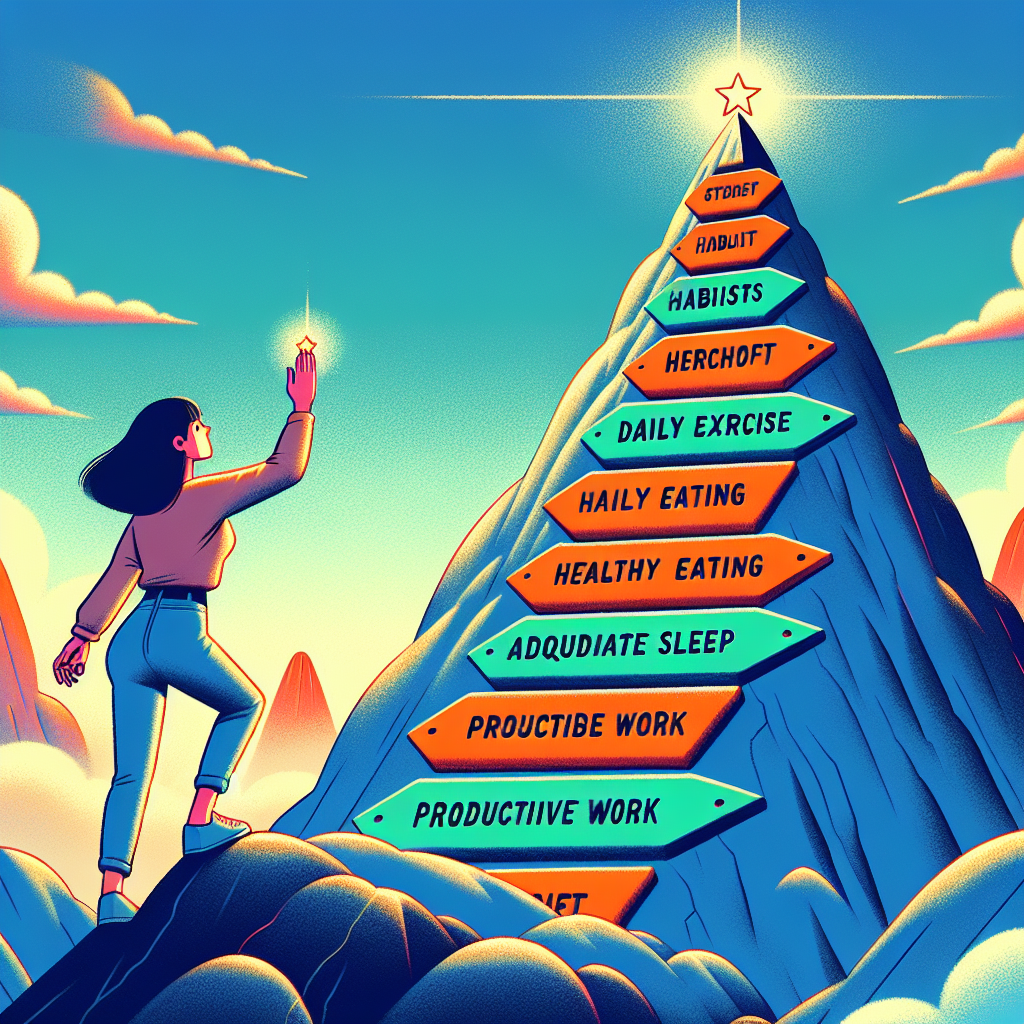
Building Better Habits: The Pyramid of Self-Control
To understand how self-control intersects with habit formation, we can visualize it as a pyramid:
- Awareness: Recognizing patterns in your behavior.
- Motivation: Understanding the ‘why’ behind your desire to change.
- Action Plan: Designing specific, achievable steps.
- Self-Control: The quality that sustains your efforts.
- Habit Formation: Eventually leads to automatic behaviors.
This pyramid illustrates that self-control is not a standalone attribute but part of a comprehensive strategy for building better habits.
Case Study 1: The Marshmallow Experiment
One of the most famous studies that showcases the power of self-control is the Stanford Marshmallow Experiment. In this longitudinal study, children were given the choice between one marshmallow now or two marshmallows if they could wait for 15 minutes. Those who managed to wait demonstrated better life outcomes in various areas, such as academic success, health, and even emotional stability, showcasing that self-control at a young age can set the stage for building better habits throughout life.
Analysis
This case study emphasizes that self-control is essential for resisting temptations and forming better habits, and it highlights the long-term implications of developing this skill early on.
Building Better Habits Through Practical Strategies
How can you cultivate self-control to build better habits? Here are some strategies backed by research and practical application:
1. Set Specific, Achievable Goals
Rather than vague objectives like "get fit," focus on measurable goals such as "exercise for 30 minutes, three times a week." This clarity makes it easier to allocate self-control resources effectively.
2. Create a Support System
Surround yourself with individuals who encourage healthy habits. Research indicates that social support can bolster self-control, making it easier to build better habits.
Table: Effective Strategies for Building Better Habits
| Strategy | Description | Self-Control Reinforcement |
|---|---|---|
| Specific Goals | Set clear, measurable goals | Keeps focus on actionable steps |
| Support System | Involve friends or family | Encourages accountability |
| Element of Fun | Make changes enjoyable | Reduces perceived effort |
Case Study 2: The Power of Habit by Charles Duhigg
In "The Power of Habit," author Charles Duhigg explores how habits work in three components: cue, routine, and reward. For example, a smoker may experience stress (cue), crave a cigarette (routine), and then feel calm (reward). By understanding this cycle, individuals can redesign their habits by substituting healthier routines while maintaining the same cues and rewards.
Analysis
Duhigg’s insights illustrate that the formulation and understanding of your habits are vital. With a strong foundation in self-control, you can consciously alter your routines to align better with your goals.
The Neuroscience of Self-Control
Research in neuroscience shows that self-control is linked to the prefrontal cortex, the area of the brain responsible for decision-making. Brain scans highlight how self-regulation activates this region, sharpening focus on long-term goals over fleeting pleasures.
Building Better Habits: Engaging Your Emotions
While logic plays a role, emotions significantly influence our ability to exert self-control. Here are some techniques to engage your emotions positively:
- Visualization: Imagine yourself achieving your goals.
- Affirmations: Use positive self-talk to strengthen your resolve.
Case Study 3: The Role of Emotions in Habits
A study published in the journal "Emotion" revealed that participants who visualized their goals were 2.5 times more likely to achieve them compared to those who did not engage emotionally. This insight illustrates that the emotional connection is crucial for building better habits.
Analysis
Harnessing your emotions reinforces self-control, making it easier to adopt and maintain beneficial habits.
Overcoming Barriers to Self-Control
Understanding potential obstacles can prepare you for better habit-building. Here are common barriers and strategies to overcome them:
-
Willpower Fatigue: Your ability to exert self-control is like a muscle— it fatigues over time. Taking breaks and practicing self-care helps preserve your self-control reserves.
- Negative Self-Talk: Combat this by replacing detrimental thoughts with constructive affirmations.
Building Better Habits: The Role of Relapse
Relapse is often a part of habit formation. Recognizing that setbacks happen can help you build resilience. Here’s how you can plan for failures:
- Analyze Triggers: Understanding what led to your relapse allows you to create contingency plans.
- Learn and Adapt: Reflect on what went wrong and strategize for improvement.
Conclusion
Building better habits is a journey that requires self-control as a foundational element. By understanding the dynamics of habits, embracing emotional engagement, and equipping yourself with practical strategies, you can cultivate a durable level of self-control that empowers you to achieve your goals. Each small victory reinforces your self-discipline, making it easier to sustain your efforts over the long term.
FAQs
1. What is the relationship between self-control and habit formation?
Self-control enables you to resist immediate temptations, allowing you to focus on long-term goals, thus fostering the creation of better habits.
2. How can I improve my self-control daily?
Strategies like setting specific goals, ensuring a supportive environment, and practicing mindfulness can help strengthen your self-control.
3. Is it normal to relapse while building new habits?
Yes, setbacks are a common part of the process. What’s important is to learn from them and plan for future challenges.
4. Can emotional support influence my self-control?
Absolutely! Surrounding yourself with positive influences can significantly enhance your ability to maintain self-control.
5. How long does it take to form new habits?
Research suggests that on average, it takes about 66 days to form a new habit, but this can vary depending on the complexity of the habit and the individual.
Final Thoughts
As you embark on your journey of Building Better Habits: The Role of Self-Control in Achieving Your Goals, remember that habit-building is a marathon, not a sprint. Equip yourself with the tools, insights, and mindset needed to nurture your self-control, and you’ll find your way to success. Embrace the process, and watch as the seeds of your efforts blossom into lasting, positive change.

