


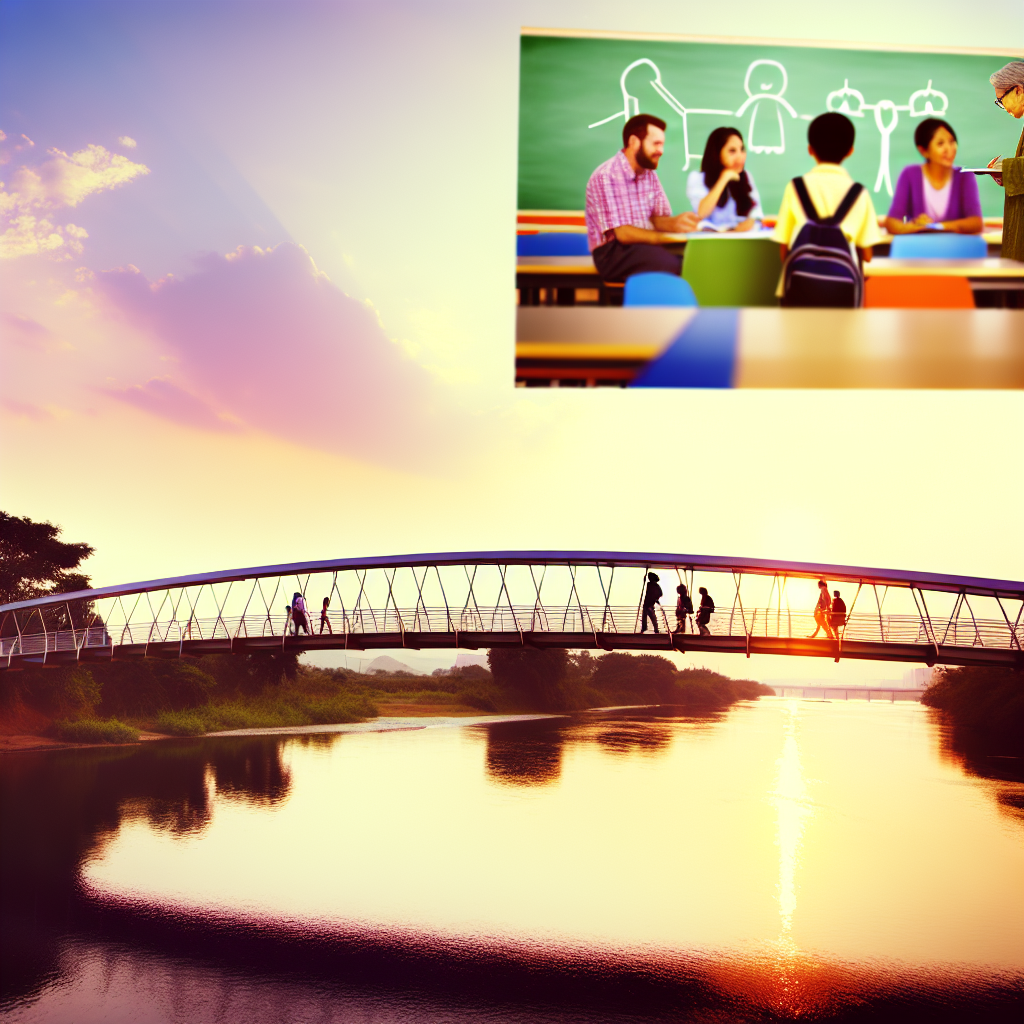
Building Bridges: Essential Best Practices for Connecting with Every Student
Introduction
Education is not merely a transfer of knowledge—it’s a relationship built on trust, empathy, and understanding. In a world increasingly defined by diversity and complexity, educators face an urgent challenge: How can we connect with every student? The answer lies in the concept of "Building Bridges: Best Practices for Connecting with Every Student." This phrase encapsulates a powerful approach to education that engages, motivates, and inspires all learners, regardless of their background or abilities.
In this article, we will delve into the fundamental strategies that empower educators to forge meaningful connections with every student, ensuring no one is left behind. Through the exploration of unique insights, relevant case studies, and actionable practices, we aim to illuminate a path toward a more inclusive and effective educational experience.
Why Building Bridges is Imperative in Education
1. Understanding the Diverse Classroom
A modern classroom is a tapestry of cultures, abilities, interests, and backgrounds. Recognizing this diversity is the first step in Building Bridges. According to a report by the National Center for Education Statistics, more than 50% of public school students identify as part of a minority race or ethnicity. Such diversity demands tailored approaches.
Case Study: Diverse Classrooms in Action
In a suburban high school, a teacher created a curriculum that included literature from various cultures. This not only engaged students but also fostered discussions that allowed them to express their perspectives. The result? Increased participation and improved grades, illustrating the importance of culturally relevant pedagogy.
2. Building Trust—The Foundation of Connection
Students must feel safe to express themselves. Trust is foundational to Building Bridges. Creating an environment of openness invites students to share their thoughts, ideas, and concerns.
Best Practices:
- Start each class with a brief check-in, allowing students to express how they feel.
- Offer anonymous ways for students to share feedback about classroom dynamics.
Case Study: Trust in Practice
At a middle school, a teacher implemented a "trust circle" once a week, where students could speak without interruption. Over time, students began sharing personal stories, which not only strengthened bonds but also improved collective classroom morale.
3. Incorporating Personalization in Learning
Personalization is a key strategy in Building Bridges. When learning experiences cater to individual student interests and strengths, engagement increases significantly.
Best Practices:
- Utilize learning profiles to tailor lessons to students’ preferences.
- Incorporate student choice in projects and assessments to spark interest.
Case Study: Personalized Learning Initiatives
A high school district rolled out a personalized learning program where students were allowed to choose their topics for research projects. One student, passionate about climate change, created an environmental awareness campaign that resonated with peers, showcasing the power of personalized learning.
4. Engaging with Families and Communities
Connecting with families and communities is essential in Building Bridges. Engagement beyond the classroom fosters a supportive learning environment.
Best Practices:
- Host family engagement nights to discuss curriculum and share resources.
- Develop partnerships with local organizations to create opportunities for real-world experiences.
Case Study: Community Collaboration
A community center partnered with a local school to create STEM workshops for students. The collaboration not only enhanced learning but also increased family involvement, resulting in higher attendance rates at school events.
5. Embracing Technology as a Connection Tool
In today’s digital era, technology can serve as a bridge to connect with students. The effective use of educational technology enhances engagement and interaction.
Best Practices:
- Use online platforms to facilitate discussions and collaborations.
- Integrate gamification elements to make learning fun and interactive.
Case Study: Technology Integration
A teacher used an online discussion forum for students to discuss literature outside of classroom hours. This not only allowed shy students to participate but also sparked lively debates, demonstrating the power of technology in fostering connections.
Practical Tools for Building Bridges
6. Cultural Competency Training
Educators must undergo cultural competency training to understand better the backgrounds and experiences of their students.
7. Collaborative Learning Environments
Encouraging group work fosters peer relationships and community.
8. Reflective Practice
Teachers should regularly assess their methods and attitudes to identify areas for improvement.
Conclusion
Building Bridges: Best Practices for Connecting with Every Student is not simply a strategy; it’s a mindset. By understanding diversity, building trust, personalizing learning, engaging with families, and leveraging technology, educators can create an inclusive environment where every student thrives.
The goal is clear: We want every student to feel seen, heard, and valued. It is time to implement these practices and transform the educational landscape for the better. Remember, as you approach your teaching, to focus on building those essential bridges.
FAQs
1. What does "Building Bridges" mean in education?
Building Bridges refers to creating connections between educators and students to foster an inclusive learning environment.
2. Why is connecting with students important?
Effective connections enhance student engagement and facilitate better learning outcomes.
3. How can I assess my connection with students?
Regular surveys, check-ins, and open dialogue can help gauge how well you are connecting with your students.
4. Can technology really help in building connections?
Absolutely! Technology can enhance communication, collaboration, and engagement among students and educators.
5. What are some quick tips for building trust with students?
Start with regular check-ins, listen actively, and create a safe environment for sharing ideas.
6. How can I engage families in the learning process?
Host family engagement nights, send regular updates, and involve them in school activities.
By embracing these strategies, we can truly cultivate an educational environment that meets the needs of every student, reinforcing the essence of Building Bridges: Best Practices for Connecting with Every Student. Let’s step forward with the commitment to uplift every learner.


Dr. Leah Howard, Positive Psychology
Dr. Howard is a researcher and advocate for positive psychology, focusing on human strengths, happiness, and well-being. Her writings explore how people can cultivate a positive mindset, improve resilience, and develop emotional intelligence to live fulfilling lives.