


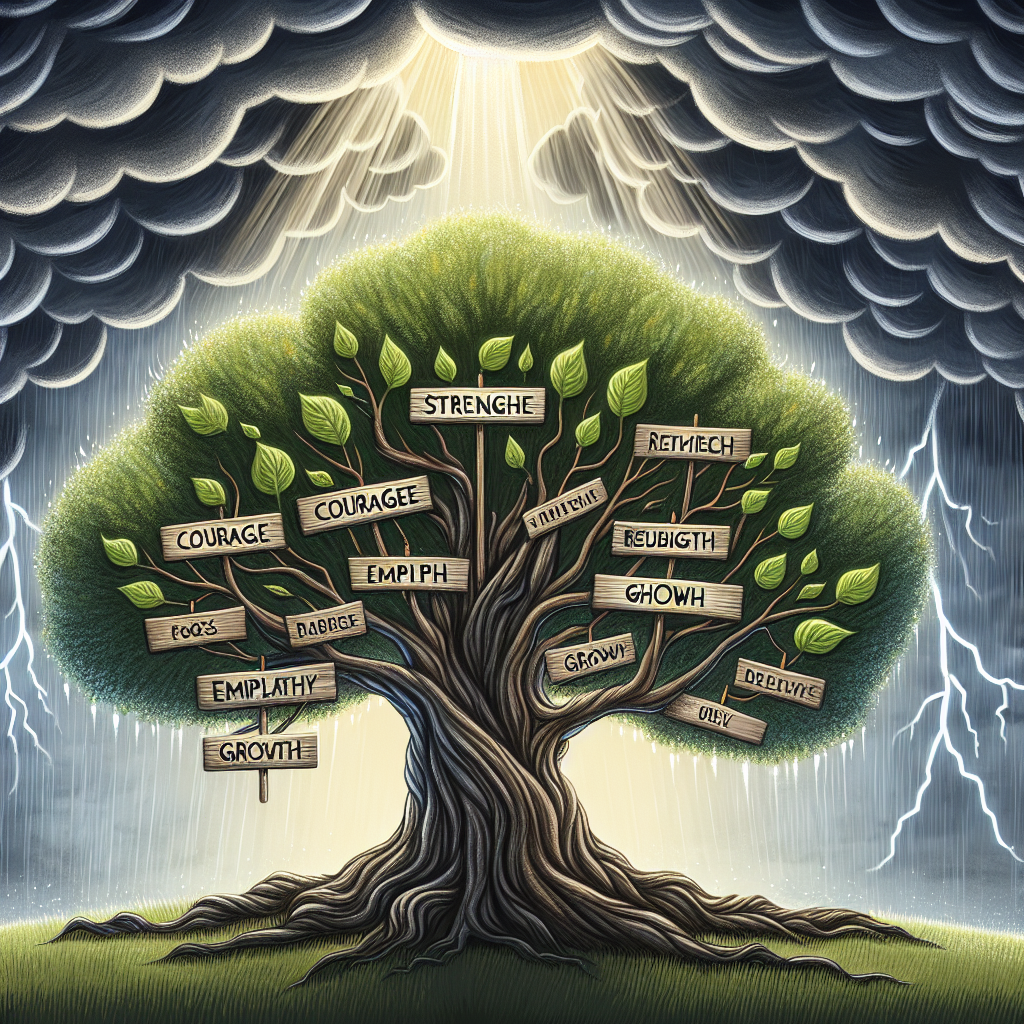
Building Resilience: Proven Strategies to Combat the Psychological Effects of Bullying
Introduction
Bullying isn’t just a momentary act of cruelty; its ripple effects can last a lifetime. From childhood through adulthood, the psychological scars of bullying can manifest in anxiety, depression, and even post-traumatic stress disorder (PTSD). In today’s world, it’s crucial to not just acknowledge the issue but to equip individuals with the tools they need to build resilience. This article, Building Resilience: Strategies to Combat the Psychological Effects of Bullying, will delve into the impactful strategies that promote mental fortitude against the adverse effects of bullying. Let’s turn the tide on this age-old issue together!
Understanding the Psychological Effects of Bullying
The Weight of Words
Bullying can take many forms—verbal, physical, social exclusion, or cyberbullying. Each type leaves its mark. According to a study published by the American Psychological Association, children who are bullied are more likely to experience anxiety, depression, and low self-esteem.
Case Study: Emily’s Journey
Emily, a 14-year-old girl, was subjected to relentless bullying during middle school. Initially, she struggled with her self-worth, but after her parents enrolled her in a program focusing on emotional resilience, she began to learn coping strategies. This real-world application of resilience-building is what we’ll explore further.
Short-Term vs. Long-Term Impacts
It’s vital to differentiate between short-term emotional reactions and long-term psychological outcomes. While a bullying incident might cause immediate feelings of shame or anger, the prolonged effects—like chronic anxiety—can linger long after the bullying has ended.
Building Resilience: Practical Strategies
1. Empowerment Through Education
One of the most effective strategies in Building Resilience: Strategies to Combat the Psychological Effects of Bullying is education. Knowledge equips individuals to understand that bullying is not a reflection of their worth.
Actionable Steps:
- Attend workshops on bullying prevention.
- Read books and articles focused on resilience and emotional intelligence.
2. Building a Support Network
Surrounding oneself with supportive friends and family can cushion the emotional blows of bullying.
Case Study: James Finds His Tribe
After being bullied in high school, James felt isolated. However, he joined a local sports team, which not only provided him with friends but also a sense of belonging. James’s story illustrates the importance of relationships in Building Resilience: Strategies to Combat the Psychological Effects of Bullying.
3. Practicing Mindfulness
Mindfulness-based strategies can help individuals manage their emotional responses effectively.
Techniques include:
- Meditation and breathing exercises
- Journaling about experiences and emotions
4. Seeking Professional Help
Sometimes, the psychological effects of bullying can be too much for one to handle alone. Seeking therapy can provide tailored strategies for resilience.
When to Seek Help
- Emotionally charged feelings that persist
- Difficulty managing daily activities related to anxiety or depression
5. Developing Positive Self-Talk
Replacing negative self-talk with affirming statements can transform one’s internal dialogue.
Techniques for Positive Self-Talk
- Affirmations
- Gratitude journals
Tables and Data for Clarity
| Strategy | Description | Effectiveness (1-10) |
|---|---|---|
| Empowerment Through Education | Knowledge improves resilience | 9 |
| Building a Support Network | Connections reduce feelings of isolation | 8 |
| Practicing Mindfulness | Helps to regulate emotional responses | 7 |
| Seeking Professional Help | Tailored strategies through therapy | 9 |
| Developing Positive Self-Talk | Changes internal dialogue from negative to positive | 8 |
Inspirational Quotes
- "Resilience is not about avoiding the storm, but learning to dance in the rain." – Unknown
- "You may encounter many defeats, but you must not be defeated." – Maya Angelou
Conclusion
Building Resilience: Strategies to Combat the Psychological Effects of Bullying is not just an essential skill; it’s a life-changing approach that equips individuals to face adversity head-on. Learning to empower oneself through education, building supportive networks, and practicing mindfulness can pave the way for healing and strength. Remember, every individual has the potential to rise above their circumstances—no matter how heavy the burden of bullying may feel.
FAQs
1. What are the first signs of psychological effects from bullying?
Early signs include changes in mood, withdrawal from social activities, and academic struggles.
2. How can parents help their children who are being bullied?
Encourage open communication, validate their feelings, and seek professional assistance if needed.
3. Is bullying limited to children and adolescents?
No, adults can experience bullying in the workplace or social settings as well.
4. Can resilience be taught?
Absolutely! Programs focusing on emotional skills can foster resilience in individuals of all ages.
5. What resources are available for those affected by bullying?
Many organizations provide support, including local mental health services, online resources, and literature on resilience.
In summary, Building Resilience: Strategies to Combat the Psychological Effects of Bullying is an ongoing journey that anyone can embark upon. It requires commitment, support, and a willingness to embrace one’s past while looking toward a brighter future. Be the beacon of hope and strength for yourself and others.

