Introduction
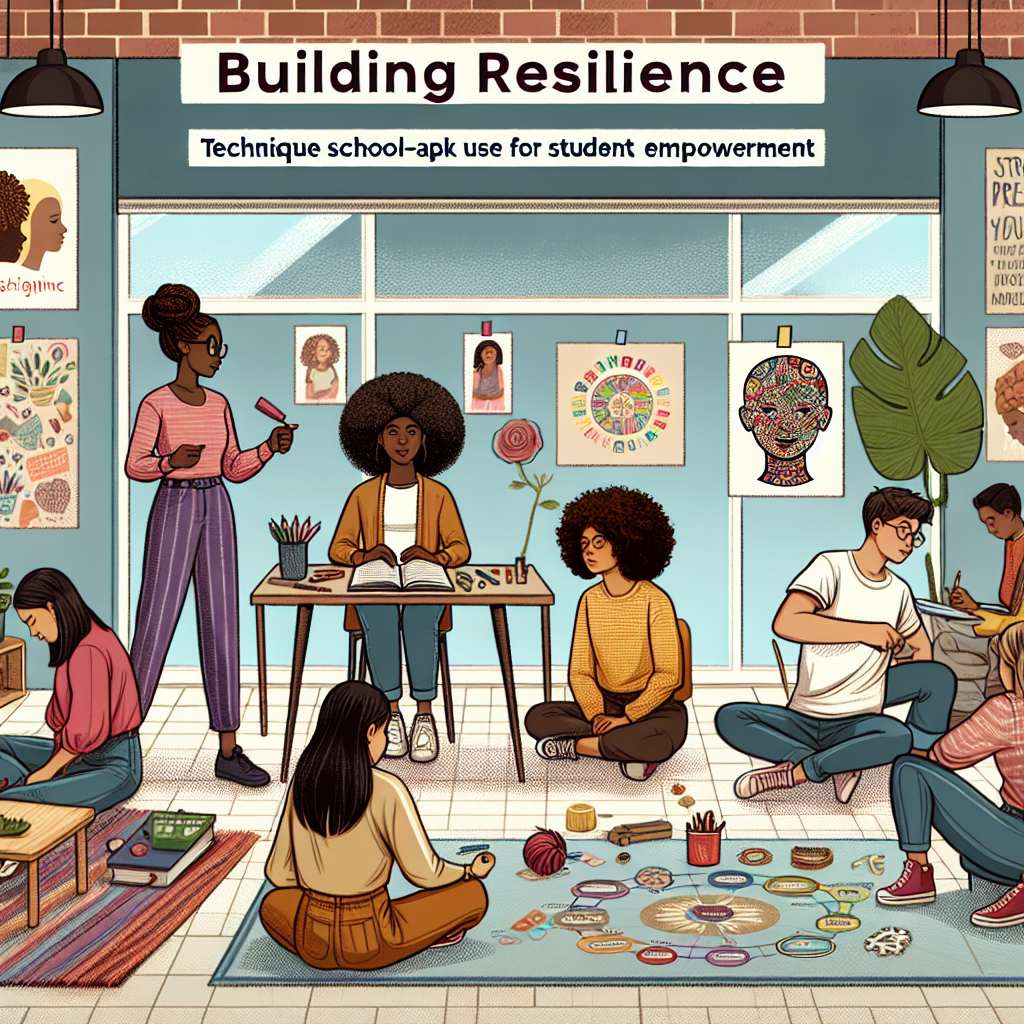
In today’s fast-paced and increasingly demanding world, building resilience in students is more important than ever. Resilience—the ability to bounce back from adversity—enables students to face challenges head-on, adapt to changes, and emerge stronger. For school psychologists, enhancing resilience isn’t just a goal; it’s an essential component of empowering students. In this article, we’ll explore Building Resilience: Techniques School Psychologists Use for Student Empowerment, delving into actionable strategies that can transform the lives of young people.
Why Resilience Matters
Resilience is a crucial skill for navigating life’s challenges, including academic pressures, social dynamics, and personal struggles. A student who can cope with stress effectively not only achieves better academic performance but also enjoys healthier relationships and improved mental well-being.
The Link Between Resilience and Academic Success
Numerous studies show a strong correlation between resilience and academic success. For instance, a Harvard University study found that resilient students are more likely to tackle complex problems, seek help when needed, and maintain a positive outlook—even in the face of setbacks. By fostering resilience, school psychologists lay the groundwork for empowered and confident learners.
Techniques for Building Resilience
1. Strengthening Social Connections
A supportive social network is key to resilience. School psychologists often facilitate peer mentoring programs, where students can share experiences and support one another. This creates a community of understanding, making it easier for students to tackle problems together.
Case Study: Peer Mentoring in Action
At Lincoln Middle School, a peer mentoring program was instituted to help sixth graders transition to middle school life. By pairing new students with mentors, school psychologists witnessed a significant reduction in anxiety and a 30% improvement in academic performance among participants. This demonstrates how valuable social connections are for Building Resilience: Techniques School Psychologists Use for Student Empowerment.
Table 1: Benefits of Peer Mentoring
| Benefit | Description |
|---|---|
| Improved Academic Performance | Mentored students show improved grades and engagement. |
| Enhanced Emotional Support | Students feel less isolated and more connected. |
| Development of Life Skills | Mentoring fosters skills like empathy, communication, and leadership. |
2. Teaching Coping Strategies
Coping strategies equip students with the tools they need to navigate stress. School psychologists often introduce techniques such as mindfulness, deep breathing exercises, and journaling.
Case Study: Mindfulness in the Classroom
At Maple Grove High, a school psychologist integrated mindfulness sessions into the daily schedule. As students began practicing mindfulness, they reported feeling more focused and less anxious. The school observed a remarkable 25% drop in behavioral referrals, showcasing the effectiveness of coping strategies in Building Resilience: Techniques School Psychologists Use for Student Empowerment.
3. Fostering Growth Mindset
Promoting a growth mindset is essential for resilience. School psychologists encourage students to view challenges as opportunities for growth rather than insurmountable obstacles.
Case Study: Growth Mindset Workshops
A series of workshops at Valley High School helped students reframe their approach to failure and success. After participating in these workshops, students demonstrated a 40% increase in willingness to tackle challenging subjects, proving that a growth mindset fosters resilience.
4. Establishing Routine and Structure
A predictable environment helps students feel safe and secure, which is essential for building resilience. School psychologists advocate for creating structured routines in classrooms, allowing students to thrive.
Table 2: Benefits of a Structured Environment
| Benefit | Description |
|---|---|
| Increased Focus | Routines help students concentrate on tasks. |
| Reduced Anxiety | Predictability lowers stress levels. |
| Enhanced Learning | Structure supports effective teaching methods. |
5. Encouraging Goal Setting
Setting and achieving realistic goals fosters a sense of accomplishment and confidence. School psychologists guide students in setting SMART (Specific, Measurable, Achievable, Relevant, Time-bound) goals.
Case Study: Goal Setting Programs
At Eastside Academy, a goal-setting initiative resulted in a marked improvement in student motivation and resilience. After implementing this program, 75% of students reported feeling more capable of achieving their academic goals, illustrating the importance of this technique in Building Resilience: Techniques School Psychologists Use for Student Empowerment.
Building Resilience Beyond the Classroom
While the role of school psychologists is vital, parents and educators also play a crucial part in fostering resilience.
6. Engaging Families
Family involvement is key to resilience-building. School psychologists often provide workshops for parents, equipping them with techniques that complement those taught at school.
7. Creating a Positive School Climate
A supportive and inclusive school culture can significantly influence resilience. School psychologists work with administrators to develop programs that promote respect, understanding, and anti-bullying initiatives, creating an environment where students feel safe to express themselves.
Conclusion
Building Resilience: Techniques School Psychologists Use for Student Empowerment lay the groundwork for cultivating not only strong, capable students but well-rounded individuals ready to tackle life’s challenges. By implementing strategies such as fostering social connections, teaching coping methods, promoting a growth mindset, establishing routines, and encouraging goal setting, we can empower students to thrive both academically and personally.
In an ever-changing world, resilience is not just an asset; it’s essential. Let’s work collectively—schools, families, and communities—to empower our students and help them become the best versions of themselves.
FAQs
1. What is resilience, and why is it important for students?
Resilience is the ability to bounce back from challenges and stressors. It helps students cope with academic pressures and fosters emotional well-being.
2. How can school psychologists help in building resilience?
School psychologists use techniques like peer mentoring, mindfulness, and goal setting to equip students with the skills necessary to handle adversity effectively.
3. What role do parents play in building resilience?
Parents can support resilience by providing a nurturing environment, reinforcing coping strategies learned at school, and engaging in family activities that promote communication and connection.
4. Can resilience be developed in students who are already struggling?
Absolutely! Resilience can be cultivated at any point through targeted interventions and support strategies employed by school psychologists and educators.
5. How can schools create a positive climate for building resilience?
By promoting inclusivity, respect, and understanding, and implementing anti-bullying programs, schools can create an environment where students feel safe and empowered.
As we continue to prioritize resilience in education, we pave the way for a future filled with capable, confident, and empowered individuals ready to face whatever comes their way.
About the Author