


Introduction
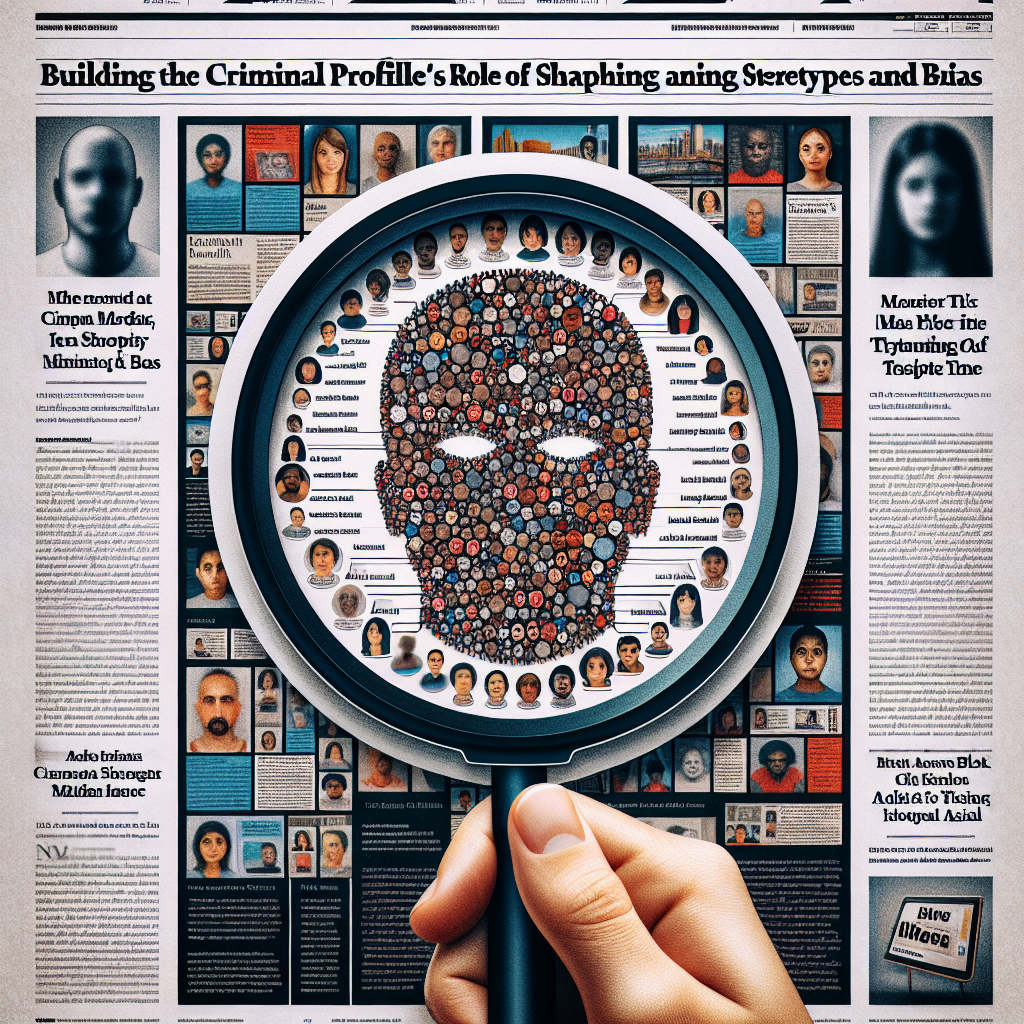
In a world increasingly influenced by instantaneous information and digital narratives, the role of media in shaping our perceptions cannot be overstated. Particularly in the criminal justice realm, the phrase "Building the Criminal Profile: The Media’s Role in Shaping Stereotypes and Bias" encapsulates a dynamic at the intersection of journalism, psychology, and sociology. The stereotypes and biases propagated by media can fortify or challenge our understanding of crime and the individuals who commit it. As we delve deeper into this topic, we’ll explore how media representations contribute to the construction of criminal profiles, often at the cost of deeper societal truths.
The Power of Media in Shaping Perceptions
The Creation of Criminal Narratives
Media has a unique ability to narrate stories that resonate with audiences. From news reports to docuseries, the way crime is depicted influences public perception. A sensationalist portrayal can skew reality, leading to misconceptions about who commits crime and why. By building a narrative around certain demographics, media can inadvertently create stereotypes that linger in the public consciousness.
Case Study: The "Superpredator" Phenomenon
In the 1990s, the term "superpredator" emerged, characterized by the sensationalist coverage of juvenile delinquency. This label, often directed at young black males, incited a wave of panic about youth violence. The intense media focus led to harsh policies and systemic biases that continue to affect communities today. This case exemplifies how media-driven narratives can shape societal views, often resulting in lasting harm.
The Role of Stereotyping
Stereotyping is another critical element in the media’s portrayal of crime. These simplified concepts can lead to unfair generalizations about groups of people. By focusing disproportionally on certain racial or socioeconomic groups, media representations can contribute to stigmatization and discrimination.
Table 1: Media Representation vs. Actual Crime Rates Across Demographics
| Demographic Group | Media Representation (%) | Actual Crime Rate (%) |
|---|---|---|
| Black Americans | 50 | 30 |
| White Americans | 25 | 40 |
| Hispanics | 15 | 25 |
| Other | 10 | 5 |
In this table, we see a stark disparity between how certain groups are presented in the media and the actual crime statistics. Such discrepancies raise questions about bias and the ethical responsibilities of media organizations.
Breaking Down Media Influence
News Coverage: The Facts vs. The Frenzy
News outlets often gravitate towards sensationalism—reporting on what will captivate an audience rather than providing context. As a result, crime stories, particularly those involving certain races or socioeconomic statuses, receive disproportionate attention.
Case Study: The Violence in Chicago
The coverage of crime in Chicago often highlights gang violence, perpetuating a stereotype of the city as a lawless area. However, this narrative overlooks the complexities of socio-economic factors contributing to crime rates, such as poverty and lack of access to education. By not contextualizing the stories, media can reinforce negative stereotypes.
Social Media: An Amplifier for Stereotypes
The rise of social media platforms has introduced new dynamics in how crime is perceived. Hyperlocal news stories can go viral, influencing public opinion and policy before the full story is known. Misinformation can spread rapidly, making it challenging for more balanced narratives to gain traction.
Case Study: The Michael Brown Incident
The media coverage surrounding Michael Brown’s shooting in Ferguson became a flashpoint for discussions about race and policing in America. Initially, the portrayal was heavily skewed, leading to heightened tensions between community members and law enforcement. The incident highlights how media narratives can catalyze broader discussions about bias and justice.
The Impacts of Bias on Society
The Justice System
The criminal profiling created by media narratives can extend beyond perception into the courtroom, affecting how suspects are treated and judged. Racial and social biases have been documented in jury decisions, which can stem from preconceived notions built upon media representations.
Analysis: The Role of Expert Testimony
Judges and juries are often influenced by the societal views surrounding crime, which can directly affect the outcomes of trials. A case study involving a defendant of color being treated more harshly than a white counterpart reiterates the need for unbiased media narratives.
Public Policy and Community Relations
Media portrayal can lead to sweeping policy changes that aren’t reflective of the complexities underlying crime. This often results in over-policing in certain neighborhoods while neglecting the root causes of crime.
Table 2: Policy Changes Following Media Coverage
| Media Event | Policy Change |
|---|---|
| 1994 Crime Bill | Increased funding for policing |
| Ferguson Protests | Introduction of body cameras for police |
| Baltimore Riots | Shift in community policing strategies |
The table highlights how significant media coverage of criminal events can lead to policy changes that may not adequately address the underlying issues, further engendering cycles of stereotypes and bias.
Challenging the Narrative
Ethical Journalism
One avenue for mitigating media bias is through ethical journalism. Journalists can strive to present balanced perspectives and be aware of their own biases. This objective approach will foster a more informed public.
Case Study: The Role of Local Journalism
Local outlets that report nuanced stories about crime, focusing on impact instead of sensationalism, can help rebuild trust in communities. By emphasizing stories of resilience and strength, they challenge stereotypes instead of reinforcing them.
Social Responsibility in Media
Media organizations have a responsibility to their audiences to provide accurate and fair representations of crime. Initiatives for diversity in newsrooms can lead to more comprehensive reporting that reflects the multi-faceted nature of crime and justice.
Analysis: The Impact of Diverse Perspectives
A diverse newsroom can lead to a richer understanding of stories. For example, when reporting on a community, journalists with direct experiences can offer valuable insights that challenge traditional narratives.
Promoting Media Literacy
Enhancing media literacy among audiences can empower individuals to critically analyze the information they consume. By understanding the manipulation of narratives, the public can resist stereotypes and bias, fostering a culture of informed dialogue.
Conclusion: A Call to Action
The topic of "Building the Criminal Profile: The Media’s Role in Shaping Stereotypes and Bias" is not just an academic concern; it has real-world implications for individuals and communities. It is vital that as consumers of media, we demand accuracy and fairness in reporting. By fostering an environment that challenges stereotypes rather than perpetuates them, we can pave the way for a justice system that truly reflects the complexities of human behavior.
Key Takeaways:
- Be aware of how media can shape perceptions of crime.
- Support ethical journalism that seeks to promote understanding.
- Advocate for media literacy initiatives in schools and communities.
FAQs
1. How can I recognize media bias in crime reporting?
Look for sensationalist language, disproportionate focus on certain demographics, and a lack of context in articles.
2. What are practical steps I can take to challenge stereotypes?
Engage in conversations about crime with a critical lens, share stories that counter stereotypes, and support organizations focused on social equity.
3. How does media representation affect the criminal justice system?
Media bias can influence jury perceptions, sentencing practices, and public policy, often leading to unjust realities for marginalized groups.
4. Why is ethical journalism important in crime reporting?
Ethical journalism promotes accurate, fair representations that can dismantle harmful stereotypes and promote informed community dialogues.
5. How can I promote media literacy in my community?
Organize workshops, facilitate discussions, and share resources that teach critical consumption of media.
As we move forward, it’s essential to remember that media has the potential to either reinforce existing biases or create a more equitable narrative. The responsibility lies with both creators and consumers of media to seek out truth and challenge the status quo.

