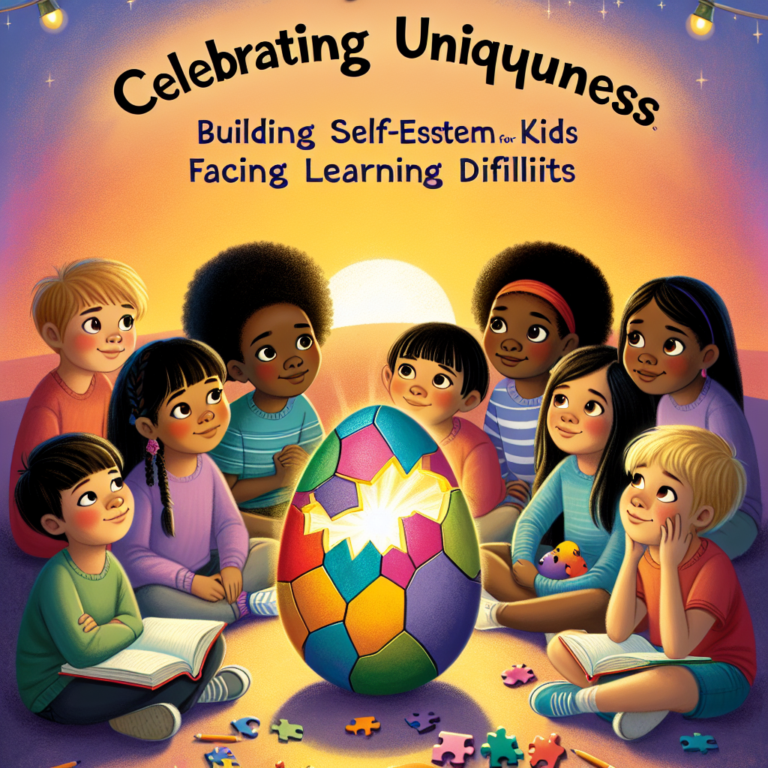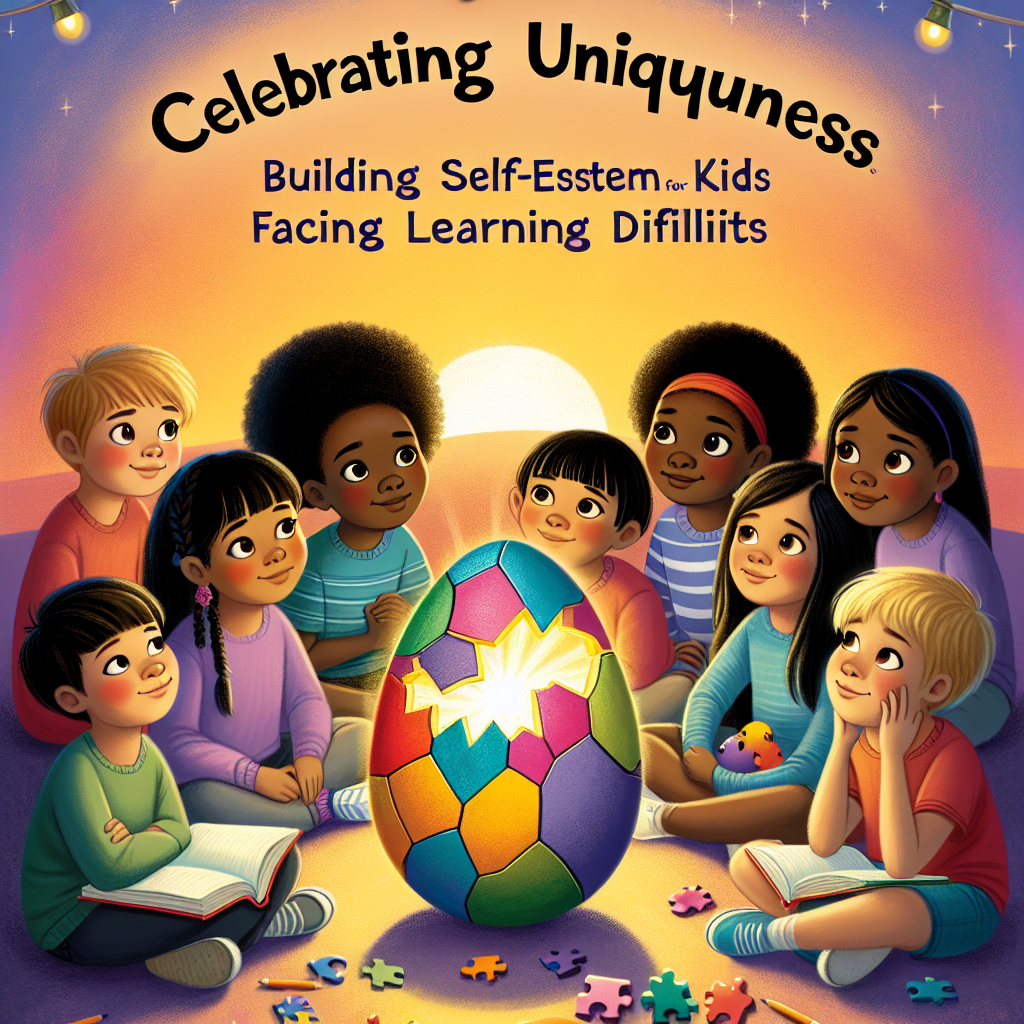
Celebrating Uniqueness: Building Self-Esteem for Kids Facing Learning Difficulties
Introduction
In a world that often promotes conformity, the journey of children facing learning difficulties can feel isolating. Yet, each child possesses unique strengths and gifts, often overshadowed by challenges. Celebrating Uniqueness: Building Self-Esteem for Kids Facing Learning Difficulties is not just a catchy phrase; it’s an essential mantra for nurturing self-worth in every child. This article aims to inspire, educate, and provide practical strategies for parents, educators, and caregivers, ensuring that every child feels valued, understood, and empowered.
Understanding Learning Difficulties
Learning difficulties are diverse and can manifest in various forms, including dyslexia, ADHD, and autism spectrum disorders. According to the National Center for Learning Disabilities, approximately 1 in 5 children in the United States has a learning disability. Understanding these difficulties is crucial in fostering an environment where self-esteem can thrive.
Common Types of Learning Difficulties
| Type | Description |
|---|---|
| Dyslexia | Difficulty with reading and interpreting written language. |
| ADHD | Challenges with attention, impulse control, and hyperactivity. |
| Autism Spectrum Disorder | Diverse challenges related to social skills, communication, and behavior. |
The Impact on Self-Esteem
Children with learning difficulties often grapple with feelings of inadequacy. Misunderstood by peers and sometimes even by adults, these children may internalize negative perceptions, leading to decreased self-esteem. Building a foundation of self-worth is pivotal in reversing this trend.
Celebrating Uniqueness: The Power of Self-Esteem
The Importance of Self-Esteem
Self-esteem serves as the lens through which children view themselves and their capabilities. High self-esteem can lead to improved academic performance, social interactions, and emotional resilience. Conversely, low self-esteem can set off a chain reaction of negative outcomes, including anxiety and social withdrawal.
Real-World Case Study: The Transformational Power of Praise
Consider the case of Sarah, a 10-year-old girl with dyslexia. In school, her struggles with reading had left her feeling invisible and unworthy. After her teacher implemented a “Celebrating Uniqueness” initiative, where each student was commended for their unique talents—like Sarah’s artistic abilities—her confidence soared. Not only did Sarah feel noticed, but she also began to explore her creative strengths, leading to improved engagement in school.
Analysis
This case illustrates that focusing on strengths rather than solely on challenges fosters a more positive self-image, reinforcing the essence of celebrating uniqueness.
Strategies for Building Self-Esteem
1. Encourage Self-Expression
Encouraging children to express themselves through art, music, or storytelling can lead to enhanced self-awareness and confidence. Programs that allow for creative exploration often yield surprising results in self-esteem.
2. Implement Strength-Based Approaches
Focusing on what children do well rather than what they struggle with can dramatically shift their self-perception. Use activities that highlight their unique skills.
Example Activity: Strengths Interviews
Organize a "strengths interview" day in classrooms or at home. Encourage children to share things they are great at with their peers or family members.
3. Foster a Growth Mindset
Teaching children that abilities can be developed through effort, rather than being fixed traits, promotes resilience. Encourage them to view challenges as opportunities for growth.
4. Build a Supportive Environment
Create a safe space for children to take risks. Support from parents, teachers, and peers is paramount to help them navigate their challenges.
5. Celebrate Achievements
Whether big or small, celebrating achievements can have a profound impact on self-esteem. Create a “success wall” at home or school where accomplishments are displayed.
Community Involvement
Importance of Peer Support
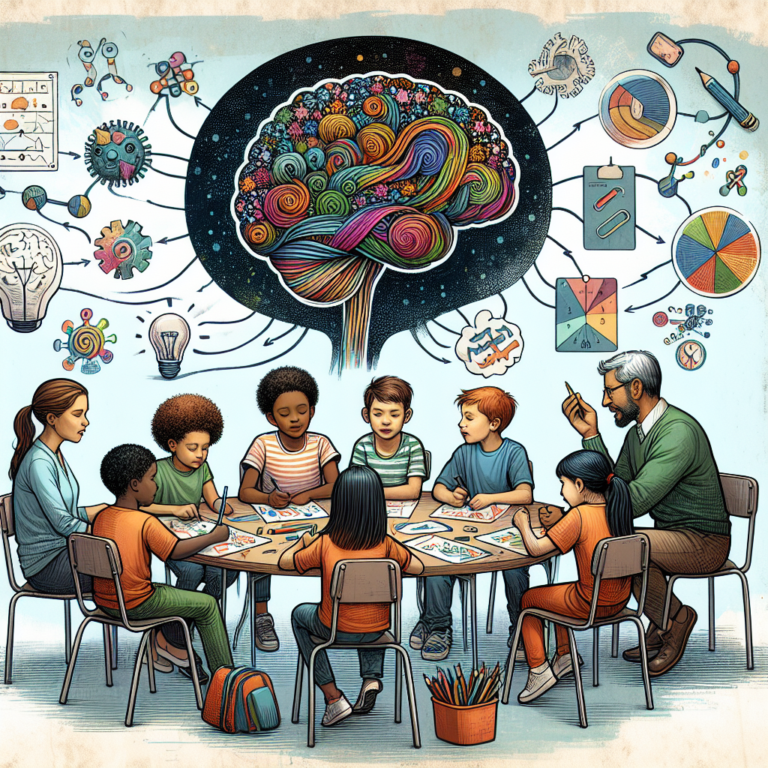
Peer interaction can play a significant role in self-esteem. Building a community of understanding among classmates helps children feel less isolated. Group activities that promote collaboration can build healthy relationships.
Case Study: Peer Workshops on Understanding Learning Challenges
In a middle school setting, teachers organized peer workshops where students invited children with learning difficulties to share their experiences. The effect was transformative—students began to foster empathy and respect, creating a supportive network.
Analysis
Peer understanding and cooperation can significantly uplift children’s spirits, affirming the need for inclusivity.
The Role of Parents
Parenting Techniques that Foster Self-Esteem
Listening Actively: Show your child that their feelings are valid and important. When they express their challenges, listen without judgment.
Encouraging Independence: Allow children to tackle tasks solo, while providing just enough support to help them succeed.
- Modeling Positivity: Children often mirror the attitudes and self-perceptions of their parents. Exhibit healthy self-esteem in your own life.
Schools as a Safe Haven
Advocating for Inclusive Education
Advocating for inclusive educational practices is crucial. Awareness and understanding among educators can transform classrooms into supportive environments that embrace diversity.
Case Study: A Shift in Educational Strategies
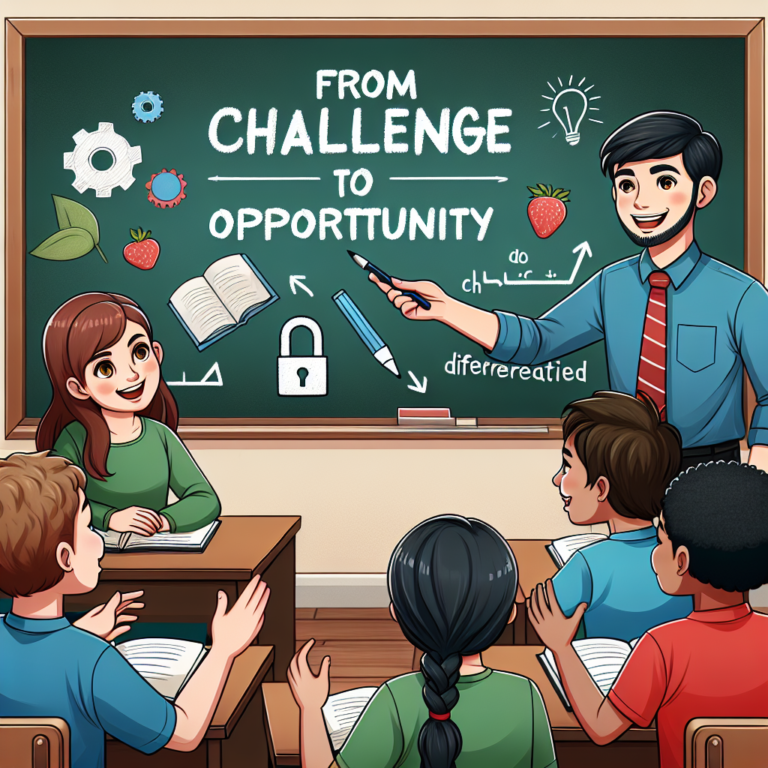
At Lincoln Elementary, the introduction of differentiated learning strategies engaged students with learning difficulties more effectively. Special education teachers collaborated with general education teachers, creating tailored lesson plans that recognized every child’s unique learning style.
Analysis
Inclusive educational settings that support personal learning paths drastically enhance children’s self-esteem, confirming the role of tailored approaches in education.
Conclusion
Celebrating uniqueness in children facing learning difficulties is not merely about acknowledgment but about instilling a deep sense of self-worth. By employing targeted strategies and fostering supportive environments, we can empower these children to embrace their strengths, turning challenges into triumphs.
Building self-esteem is a continuous journey, and every child deserves guidance along the way. Let us not only recognize their uniqueness but actively celebrate it.
FAQs Section
1. How can I help my child cope with learning difficulties?
Encourage open communication, acknowledge their feelings, and focus on their strengths. Involve teachers or specialists to create a supportive learning environment.
2. What are some signs of low self-esteem in children?
Signs include reluctance to try new things, excessive self-criticism, social withdrawal, and a consistent lack of enthusiasm.
3. Are there specific activities that can boost self-esteem?
Yes! Creative activities, team sports, or group projects can help. Celebrating even the smallest achievements also contributes positively.
4. How can schools support children with learning difficulties?
Schools can offer individualized education plans (IEPs), ensure teachers are trained on inclusivity, and create programs that promote peer understanding.
5. What role does positive reinforcement play in self-esteem?
Positive reinforcement can greatly uplift children’s self-perceptions, encouraging them to recognize their abilities and promoting a sense of accomplishment.
By celebrating uniqueness and focusing on building self-esteem, we pave the way for every child to thrive, no matter the challenges they face. Let’s embrace this journey together!
About the Author