

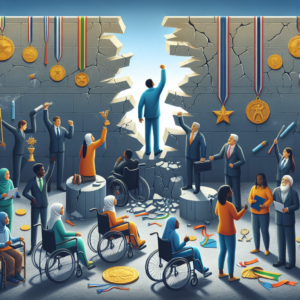

Challenges and Opportunities: How Learning Disabilities Influence Foreign Language Proficiency
Introduction
Imagine stepping into a foreign language classroom, where your dreams of fluency stand just out of reach, primarily due to a learning disability. Whether it’s dyslexia, ADHD, or another condition, the barriers can feel insurmountable. Yet, this landscape is not solely defined by challenges. Within these very obstacles lie unique opportunities for growth, innovation, and resilience. The journey through learning a foreign language can lead to some of the most profound personal development for those with learning disabilities. This article delves into the intricacies of the challenges and opportunities: how learning disabilities influence foreign language proficiency, offering insights that can resonate with students, educators, and parents alike.
Understanding Learning Disabilities
What Are Learning Disabilities?
Learning disabilities encompass a range of neurological disorders that affect the ability to process information. This can include difficulties in reading, writing, and even understanding spoken language. According to the National Center for Learning Disabilities, about 1 in 5 children in the U.S. has a learning disability. This statistic is a reminder that the challenges faced by these individuals are far from isolated.
Common Types of Learning Disabilities
-
- Dyslexia: Impacts reading and language processing.
-
- Dysgraphia: Affects writing skills and motor coordination.
-
- Dyscalculia: Impacts mathematical understanding and skills.
-
- ADHD: Affects attention and impulsivity, which can hinder language acquisition.
Each of these conditions comes with its unique challenges, particularly when it comes to mastering a foreign language.
The Challenges of Learning a Foreign Language with Learning Disabilities
Accessibility Issues in Language Education
Language classrooms often follow a standardized approach that does not cater to individual learning needs. Traditional methods may emphasize rote memorization and grammatical rules, posing significant hurdles for students with learning disabilities.
Case Study: Maria’s Experience with Dyslexia
Maria, a high school student diagnosed with dyslexia, struggled with phonetics, making it difficult for her to pronounce words correctly in Spanish. The standard audio-narratives used in her classroom exacerbated her anxiety, leading her to disengage from learning. A tailored approach that focused on visual learning and interactive exercises would have created a more inclusive environment for her.
Memory and Retention Challenges
Many students with learning disabilities face difficulties in short-term memory, which can significantly impair their ability to retain vocabulary and grammar rules.
Emotional and Psychological Barriers
The emotional toll of learning challenges can lead to decreased motivation, self-esteem issues, and even anxiety or depression. Society often stigmatizes individuals with learning disabilities, which can add additional pressure when navigating a foreign language.
Case Study: Jake’s ADHD Journey
Jake, diagnosed with ADHD, found it nearly impossible to focus during foreign language lessons. His inability to concentrate made it hard for him to follow along and participate in discussions. However, when his teacher utilized gamified learning styles, Jake was able to thrive and find enjoyment in language studies.
The Opportunities for Growth
Personalized Learning Strategies
One of the beautiful aspects of embracing diversity in learning is that it opens doors to innovative teaching methods. By adopting personalized strategies, educators can create a tailored curriculum that accounts for various learning needs.
Case Study: Adaptive Learning Technologies
Many schools are now incorporating adaptive learning technologies that adjust content based on individual progress. For example, software that uses algorithms to customize reading levels not only benefits students with learning disabilities but enhances the learning experience for all students. This is a powerful demonstration of how flexibility can transform challenges into opportunities.
Building Resilience and Adaptability
Learning a foreign language often involves encountering obstacles. For those with learning disabilities, facing and overcoming these challenges can build profound resilience and adaptability.
Case Study: Helen’s Embracement of Mistakes
Helen, who has dysgraphia, initially struggled with writing in French. However, by embracing her mistakes as part of the learning process, she developed a deeper understanding of the language’s nuances. This shift in mindset not only improved her foreign language skills but also fostered a greater sense of self-acceptance.
Social and Cultural Engagement
Language is not only a means of communication but also a doorway into new cultures and communities. Students with learning disabilities often find rich emotional experiences and connections through foreign languages that reshape their worldviews.
Case Study: Community Language Programs
Community-based programs offering immersive environments can be incredibly beneficial. Tom, a student with ADHD, participated in a community language immersion workshop, discovering that his passion for music made him a natural at picking up the rhythm and intonation of a new language. This opportunity helped him build a sense of belonging and self-worth while improving his linguistic abilities.
Practical Strategies for Educators
Utilize Multi-Sensory Approaches
Incorporate visual, auditory, and kinesthetic learning styles to address various challenges.
Focus on Strengths
Identify strengths and design learning experiences around them. For instance, a student who excels in art may benefit from creating visual representations of vocabulary.
Foster Inclusivity
Create an inclusive classroom culture that normalizes mistakes and encourages risk-taking in learning. Celebrating diversity not only boosts confidence but also encourages budding language learners.
Encourage Peer Support
Peer tutoring or collaborative learning assignments can foster a sense of camaraderie while providing targeted support.
The Role of Technology
Digital Tools for Learning
Innovative digital tools such as language apps, speech-to-text software, and gamified learning platforms help provide alternatives that align better with diverse learning needs.
Virtual Reality Experiences
Emerging technologies such as virtual reality (VR) can expose learners to immersive language experiences, nourishing their interaction in realistic contexts.
Table: Comparative Benefits of Traditional vs. Adaptive Learning Strategies
| Aspect | Traditional Approach | Adaptive Approach |
|---|---|---|
| Student Engagement | Moderate | High |
| Retention Rate | Variable | Improved |
| Accessibility | Limited | Highly tailored |
| Cultural Exposure | Often neglected | Enhanced through experiences |
| Feedback | Periodic | Continuous and real-time |
Conclusion
Understanding the challenges and opportunities: how learning disabilities influence foreign language proficiency is essential not only for educators but for society as a whole. By fostering an environment that cherishes unique learning styles, we open the door to a world of linguistic diversity and human connection. The journey may be fraught with challenges, but the opportunities for growth, resilience, and cultural engagement are abundant.
Actionable Insights
-
- Get Involved: Help schools incorporate inclusive practices by advocating for learning resources tailored to diverse needs.
-
- Embrace Mistakes: Cultivate an environment where making mistakes is a celebrated part of the learning journey.
-
- Leverage Technology: Explore and utilize adaptive learning technologies that enhance language learning experiences for all students.
FAQ Section
1. What are the most common learning disabilities affecting language learning?
Dyslexia, dysgraphia, and ADHD are among the most common learning disabilities that can influence foreign language acquisition.
2. How can teachers support students with learning disabilities in language classes?
Teachers can implement multi-sensory learning approaches, use adaptive technologies, and create inclusive environments that celebrate each student’s unique strengths.
3. Are there specific learning apps beneficial for students with learning disabilities?
Yes, apps that promote visual learning, gamified experiences, and language exercises tailored to individual levels can be particularly beneficial.
4. What role does motivation play in language learning for students with disabilities?
Motivation is crucial as it influences engagement and persistence. Positive reinforcement and fostering a growth mindset can significantly boost motivation.
5. Can learning a foreign language help students with learning disabilities?
Yes, engaging in foreign language learning can improve cognitive flexibility, enhance problem-solving skills, and promote social connections, offering profound personal growth.
In navigating the labyrinth of language learning with a learning disability, it’s essential to keep in mind that the road, while challenging, runs parallel to countless opportunities for transformation and growth. The journey is not just about proficiency; it’s about gaining confidence, resilience, and a richer understanding of the world.

