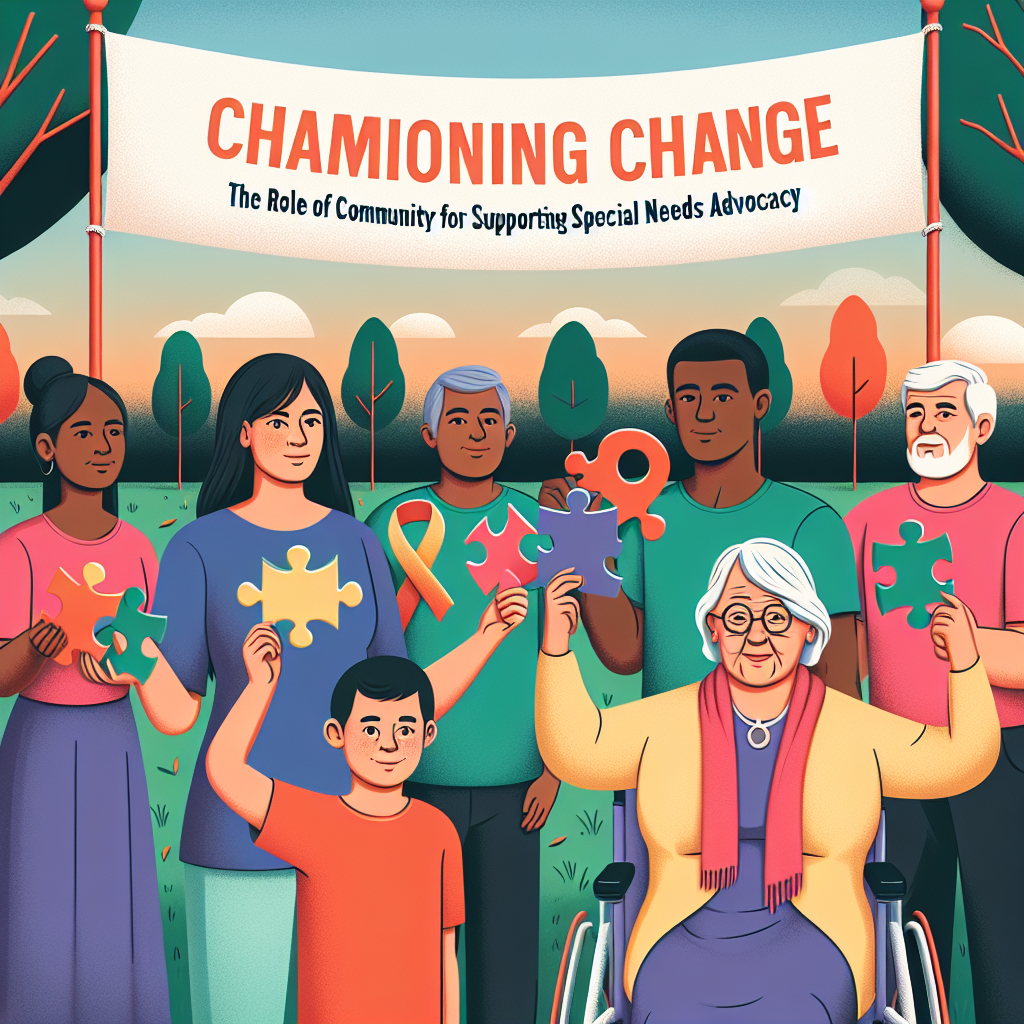
Championing Change: The Essential Role of Community in Supporting Special Needs Advocacy
Introduction
Imagine a world where every child, regardless of their abilities, receives the support they need to thrive. This vision is not distant or unattainable; it can be a reality through effective community involvement. Championing Change: The Role of Community in Supporting Special Needs Advocacy illustrates how collective action can foster understanding, break down barriers, and generate meaningful change. In a time where inclusion and support are more critical than ever, exploring the community’s role in advocacy reveals both profound insights and actionable strategies.
In this article, we will delve into how communities can rally together to uphold the rights and needs of individuals with special needs. From grassroots movements to policy advocacy, the community’s influence can resonate across generations. By harnessing local resources, fostering empathy, and empowering families, we can create a robust network of support that ensures no one is left behind. Join us as we embark on this transformative journey of advocacy and empowerment.
Understanding Special Needs Advocacy
Special needs advocacy centers around supporting individuals with physical, emotional, or intellectual disabilities. Advocacy aims to elevate these voices and demands societal changes to create an inclusive environment. Community involvement plays a crucial role in this process, providing the essential framework for support, education, and policy change.
The Importance of Inclusivity
Inclusivity is more than just a buzzword; it’s a vital principle that fosters an environment of acceptance and understanding. When communities embrace inclusivity, they not only empower individuals with special needs but also enrich the entire community fabric.
Historical Context
Historically, individuals with special needs have been marginalized or overlooked. As communities evolve, so does the understanding of the importance of inclusion and dignity for all. Learning from past mistakes and striving for betterment shows how Championing Change: The Role of Community in Supporting Special Needs Advocacy can provide a blueprint for the future.
The Community’s Role in Advocacy
Communities have the power to influence change in several ways, from establishing awareness campaigns to advocating for policy reforms. Let’s explore how various community groups contribute to effective advocacy.
1. Grassroots Movements
Grassroots movements are often among the most impactful forms of advocacy. They can raise awareness about specific causes, encourage community involvement, and press for legislative action.
Case Study: The "Autism Speaks" Campaign
One notable grassroots movement is the "Autism Speaks" campaign, which began from a small group of advocates raising awareness. Over the years, this initiative has mobilized communities to support individuals on the autism spectrum through donation drives, social media awareness, and public events.
Analysis: This case emphasizes how a small community effort can scale into an influential movement that collectively advocates for policy changes and public understanding of special needs issues.
2. Education and Awareness
Education is a powerful tool for advocacy. By informing the community about special needs and the everyday challenges faced by individuals, advocacy efforts can gain greater traction.
Table 1: Community Education Initiatives
| Initiative | Description | Impact |
|---|---|---|
| Workshops | Training for educators and parents | Improved understanding of special needs |
| Public Seminars | Open talks about disabilities | Increased community empathy |
| Awareness Campaigns | Social media and local outreach | Higher visibility of special needs issues |
Championing Change: The Role of Community in Supporting Special Needs Advocacy also involves ensuring that educational initiatives reach a wide audience, sparking dialogue around acceptance and understanding.
3. Building Support Networks
Support networks are critical for families navigating the challenges of raising children with special needs. Local organizations can provide not only resources but also community.
Case Study: The Parent-to-Parent Network
Founded in various regions, the Parent-to-Parent network helps connect families of children with special needs. This community-based approach offers emotional support and practical advice, minimizing feelings of isolation.
Analysis: By fostering connections among parents, this network exemplifies how community can empower families and enhance their ability to support their children effectively.
4. Policy Advocacy and Change
Communities can create a collective voice that influences policy decisions. Advocacy at the policy level ensures that the rights and needs of individuals with special needs are protected and prioritized.
Table 2: Successful Local Policy Changes
| Community | Policy Change | Year Implemented |
|---|---|---|
| [City Name] | Inclusive Education Policy | 2020 |
| [County Name] | Accessible Public Spaces Ordinance | 2021 |
| [State Name] | Disability Rights Protection Act | 2019 |
Through initiatives focused on policy advocacy, communities can mobilize to effect the kind of changes that foster better environments for individuals with special needs.
Overcoming Barriers to Advocacy
While many communities actively engage in special needs advocacy, various barriers can impede progress. Recognizing these obstacles is the first step toward overcoming them.
1. Lack of Awareness
Many community members may not understand the complexities surrounding special needs. Education and outreach initiatives are crucial for dispelling myths and fostering a more inclusive environment.
2. Insufficient Resources
Communities often face limitations regarding funding and resources for special needs programs. Building partnerships with local businesses or seeking grants can provide the necessary financial backing for advocacy initiatives.
3. Resistance to Change
Change can be met with resistance, especially in communities where traditional views dominate. Advocacy requires patience and persistent efforts to educate and engage the community.
Strategies for Effective Community Advocacy
Communities looking to champion change must enlist strategies that foster effective advocacy.
1. Engage Stakeholders
Involving parents, educators, healthcare professionals, and local businesses creates a more comprehensive approach to advocacy. Each stakeholder brings unique insights and resources to the table.
2. Host Community Events
Regular events, such as workshops, seminars, and social gatherings, create open forums for discussion and awareness. These events serve not only as educational platforms but also as means to build community relationships.
3. Collaborate with Established Organizations
Partnering with established advocacy groups can expand the reach and efficacy of local efforts. These organizations often provide valuable resources, expertise, and a broader network.
Championing Change: The Role of Community in Supporting Special Needs Advocacy is often about synergy—combining efforts to create a support system that uplifts individuals with special needs.
4. Utilize Social Media
In today’s digital age, social media platforms can amplify messages and garner community involvement. Using social media effectively can spread awareness and support quickly.
Conclusion
As we’ve explored, Championing Change: The Role of Community in Supporting Special Needs Advocacy is vital to creating an inclusive society where every individual has the opportunity to thrive. The narratives of grassroots movements, educational initiatives, and policy advocacy highlight the community’s tremendous power.
To catalyze change, it’s imperative to build support networks, dispel misconceptions, and establish a culture of inclusivity. It takes a village—one that is informed, engaged, and dedicated—to champion the rights and needs of individuals with special needs.
Actionable Insights:
- Start by creating or joining local support groups.
- Participate in educational workshops focused on special needs advocacy.
- Advocate for policy changes by contacting local representatives or joining coalitions.
- Utilize social media to share success stories and raise awareness.
A united community can be the driving force behind policy changes, education, and overall support for individuals with special needs. Let’s champion change together, ensuring that every voice is heard, every life valued, and every individual supported.
FAQs
FAQ 1: What is special needs advocacy?
Special needs advocacy refers to efforts made to support individuals with disabilities by raising awareness, ensuring access to resources, and pushing for policy changes.
FAQ 2: Why is community involvement crucial in special needs advocacy?
Community involvement is essential as it fosters understanding, builds support networks, and amplifies collective voices, thereby promoting effective advocacy.
FAQ 3: How can I start advocating for special needs in my community?
You can start by joining local advocacy groups, attending relevant workshops, or volunteering for organizations that support individuals with special needs.
FAQ 4: What are some common barriers to effective advocacy in communities?
Barriers can include lack of awareness, insufficient resources, and resistance to change. Educating community members can help overcome these challenges.
FAQ 5: How can social media support special needs advocacy?
Social media can raise awareness, share valuable resources, connect families, and amplify advocacy messages, making it easier to engage a broader audience.
By coming together as a community, we can forge a path toward inclusivity and understanding, ensuring that every individual’s needs are met with compassion and respect.
About the Author