


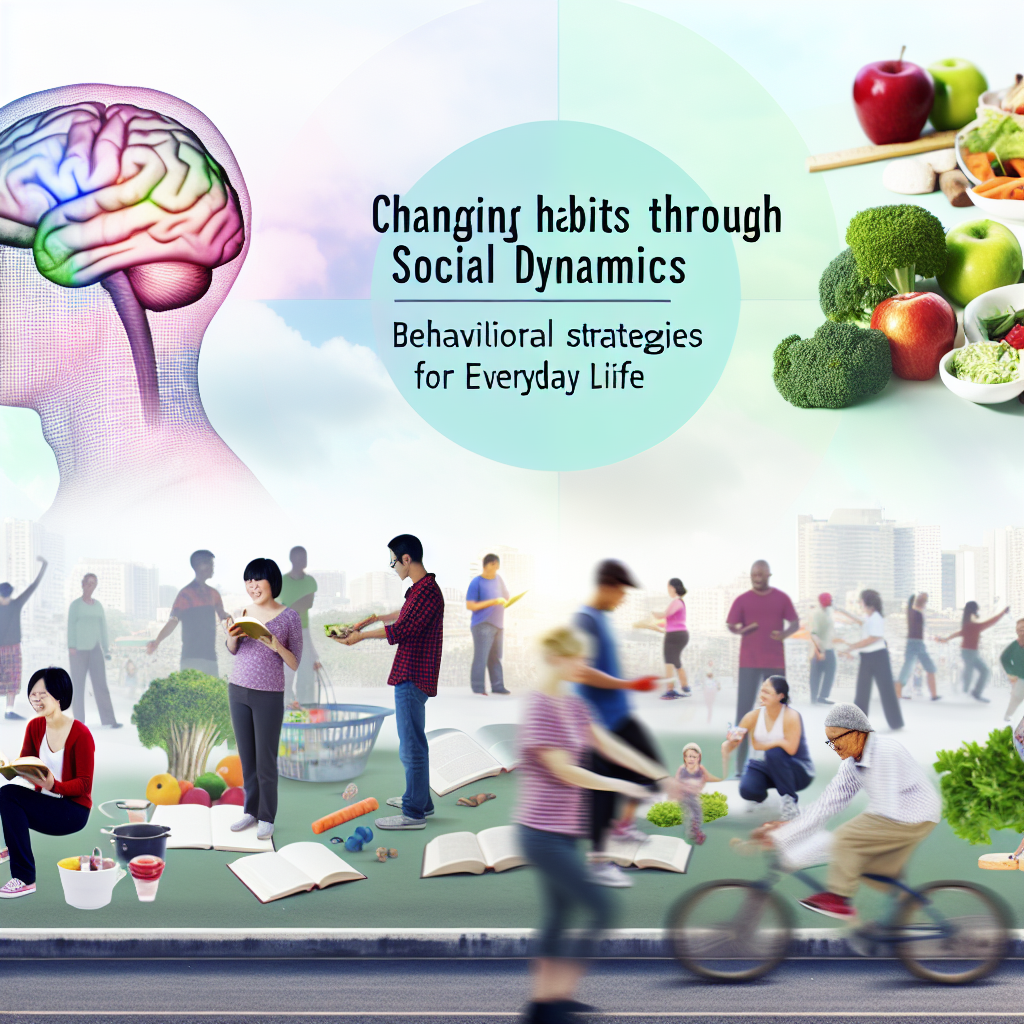
Changing Habits Through Social Dynamics: Essential Behavioral Strategies for Everyday Life
Introduction
Have you ever watched a friend effortlessly make positive lifestyle changes, leaving you wondering how they did it? Or perhaps you’ve noticed a group of colleagues rallying together to adopt healthier habits that seem almost contagious? The truth is, our social environments significantly influence our behaviors and habits. Changing habits through social dynamics: essential behavioral strategies for everyday life can transform your approach to personal development and foster an environment conducive to positive change.
This article dives deep into the mechanics of social influences, shining a light on the principles of social dynamics that can drive habit changes successfully. Whether you’re an individual seeking improvement or a leader wishing to cultivate healthy habits within a team, understanding these strategies is pivotal to your journey.
The Science of Social Dynamics
Social dynamics refers to the patterns of interaction within groups and how they influence the behavior of individuals. At the core, our habits are often shaped by those around us.
Understanding Social Influence
Research shows two main types of social influence impacting our behaviors:
-
Normative Influence: This is the desire to be accepted and liked by others. We often conform to the behaviors of those in our social circles, leading us to adopt habits we may not have chosen independently.
- Informational Influence: This occurs when we seek guidance from others when we feel uncertain. We turn to our peers for advice, adopting their habits and strategies as our own.
These influences highlight why changing habits through social dynamics is such a powerful approach.
Case Study: The Power of Peer Pressure in Weight Loss
In a study published in the New England Journal of Medicine, researchers observed a weight-loss program where participants were grouped. Those in groups lost more weight than those who followed the program alone. The dynamics of social support and accountability drove individuals to stay committed to their goals, demonstrating the power of a community in fostering lasting change.
Key Insights about Social Influence
| Type of Influence | Definition | Impact on Behavior |
|---|---|---|
| Normative Influence | Desire for acceptance from a group | Encourages conformity to group norms |
| Informational Influence | Seeking guidance from knowledgeable peers | Promotes adoption of beneficial behaviors |
Behavioral Strategies for Changing Habits
Understanding the dynamics at play is essential, but the next step involves actively employing strategies to leverage social interactions for habit change.
1. Cultivate Accountability Partners
One effective strategy for changing habits through social dynamics involves partnering up with an accountability buddy. Studies show that individuals are more likely to adhere to their goals when they share them with someone else. This partnership not only keeps you motivated but also fosters a sense of obligation.
Action Items:
- Find a friend or colleague with similar goals.
- Schedule weekly check-ins to discuss progress.
2. Create a Supportive Community
Surround yourself with a network of people who embody the habits you aspire to adopt. Whether you want to eat healthier, exercise more, or reduce screen time, building a community focused on these behaviors can be a game-changer.
Case Study: Weight Watchers
Weight Watchers, now known as WW, exemplifies the power of community. The program encourages group meetings, where individuals share successes and strategies. This strong sense of community continually motivates members to make healthier lifestyle choices, illustrating changing habits through social dynamics.
3. Leverage Social Media
In today’s digital age, social media offers a platform to connect with others who share similar goals. Vibrant online communities provide motivation, shared resources, and an avenue for public commitment, a factor known to strengthen adherence to goals.
Action Items:
- Join groups focused on your desired habits.
- Share your own progress to inspire others and be inspired.
4. Utilize Behavioral Triggers
Behavioral triggers are cues within your environment that prompt certain actions. By strategically placing reminders or cues in your social settings, you can promote habit changes in yourself and those around you.
Case Study: The "Nudge" Theory
In the realm of behavioral economics, the "nudge" theory posits that subtle prompts can significantly influence decision-making. For instance, placing fruit at eye level in a cafeteria encourages healthier eating choices among patrons.
5. Regular Feedback Loops
Providing and receiving regular feedback can enhance accountability and motivation. Create opportunities within your social circles to celebrate wins, no matter how small.
Action Items:
- Establish a monthly group meeting to discuss progress.
- Implement a rewards system for achieving milestones.
Challenges in Changing Habits
Identifying Potential Barriers
While the strategies mentioned above are effective, changing habits can still present obstacles. Recognizing potential challenges is crucial for navigating them successfully.
-
Resistance to Change: Individuals might resist adopting new norms, particularly if they feel they threaten their identity or autonomy.
-
Negative Influences: Not all social influences are positive. Toxic environments can derail personal goals and progress.
- Perceived Judgment: The fear of judgment from peers can discourage individuals from pursuing change.
Strategies to Overcome Barriers
- Communicate Openly: Discuss fears and concerns within your social circles to alleviate tension around change.
- Reframe Negative Influences: Identify individuals who challenge your progress and consider distance to maintain alignment with your goals.
Taking Action: The Path Forward
Understanding the foundational principles of changing habits through social dynamics is the first step; acting on these principles is the next.
Workshop Your Strategies
Take the time to plan how you will implement the behavioral strategies discussed:
- Identify Social Circles: Who in your life supports your goals? List them out.
- Set Clear Goals: Define what habits you want to change and share these with your accountability partner.
- Track Progress: Create a system to track your and your community’s progress collectively.
Table: Action Plan for Changing Habits
| Strategy | Action Steps | Expected Outcome |
|---|---|---|
| Accountability Partners | Find a buddy and schedule check-ins | Increased motivation and support |
| Supportive Community | Join a focused group | Shared insights and experiences |
| Leverage Social Media | Engage with online groups | Broader motivation and accountability |
| Behavioral Triggers | Set reminders and cues | Enhanced habit recognition |
| Regular Feedback Loops | Establish monthly meetings | Continuous motivation and celebration |
Conclusion
The journey of changing habits is not one to walk alone. By understanding the role of social dynamics in shaping behaviors, you can implement strategies that not only improve your habits but empower those around you. As you leverage accountability, community, and supportive experiences, you’ll find that positive change becomes more achievable and enjoyable.
Incorporate these essential strategies into your everyday life, and watch as both you and your social circles flourish. The habits you cultivate today lay the groundwork for a healthier tomorrow.
FAQs
1. How can I find an accountability partner?
Look within your existing social circles or online communities focused on your desired habits. Reach out and express your goals to see who resonates with the idea of mutual support.
2. What if my social environment is unsupportive?
Consider seeking new social circles both online and offline that align with your habits. Engage in community groups, where you can connect with like-minded people.
3. How can social media help in changing habits?
Social media platforms can connect you to communities that motivate and inspire. Sharing your progress publicly can also increase your accountability.
4. What if I face setbacks?
Setbacks are part of any journey. Reflect on the circumstances, adjust your strategies, and seek support from your accountability partner or group.
5. How can I create behavior triggers effectively?
Identify cues in your environment that can remind you of your goals. Use visual prompts or alarms on your phone to deliver subtle reminders of the behaviors you want to adopt.
By consciously aligning your goals with the dynamics of social engagement, you create a robust framework for changing habits through social dynamics: essential behavioral strategies for everyday life. Embrace the journey, and let the supportive power of your social network propel you forward.


The PsyForU Editorial Collective is the research and editorial team of PsyForU Research International. The collective prepares educational, psychological, mental-health-awareness, inclusion, neurodiversity, and research-methodology content for students, parents, educators, researchers, and general readers. PsyForU content is intended for awareness, education, and capacity-building and should not be treated as clinical diagnosis, therapy, medical advice, legal advice, or emergency mental-health support.