


Introduction
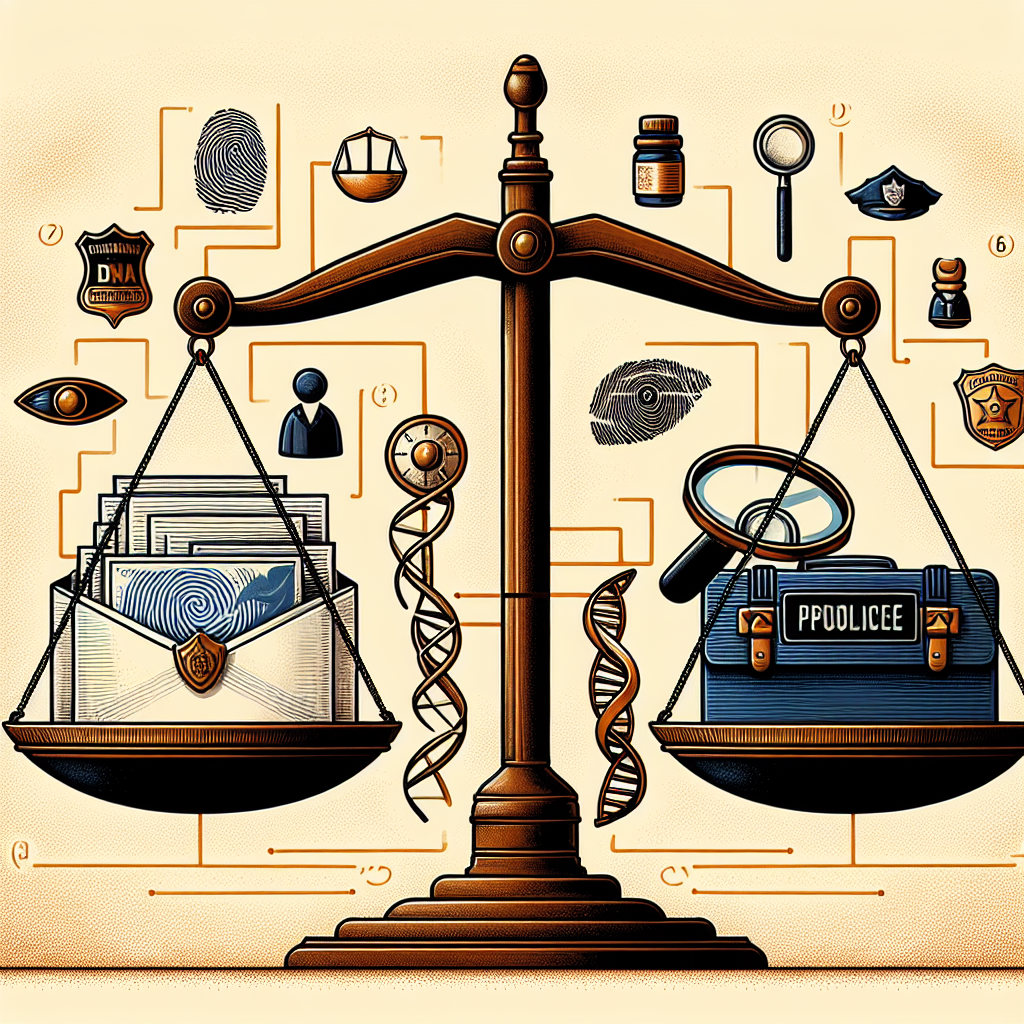
In an age where personal data is increasingly under threat and public safety is at the forefront of societal concerns, the intersection of confidentiality and public safety has never been more pertinent. This article explores the ethical challenges faced in forensic assessments, where the delicate balance between maintaining confidentiality and ensuring public safety often leads to complex dilemmas. The phrase "Confidentiality vs. Public Safety: Ethical Challenges in Forensic Assessments" encapsulates the crucial questions professionals face: How do we protect the privacy of individuals while simultaneously safeguarding the community? This exploration is essential—not just for practitioners in the field but for anyone interested in the ethical implications of forensic work.
The Ethical Landscape of Forensic Assessments
Defining Forensic Assessments
Forensic assessments involve the application of psychological principles within legal contexts, ranging from criminal cases to civil disputes. These evaluations require practitioners to apply their expertise while adhering to ethical guidelines aimed at safeguarding both the individuals being assessed and society at large.
Balancing Confidentiality and Public Safety
In the world of forensic assessments, confidentiality is a cornerstone of practice. Psychologists and clinicians are expected to create a trusting environment, where individuals feel safe sharing sensitive information. However, in certain scenarios—such as when there is a risk of imminent harm to self or others—this confidentiality may be breached. This sets up the central ethical tension of "Confidentiality vs. Public Safety: Ethical Challenges in Forensic Assessments."
Ethical Guidelines and Legal Obligations
Ethical guidelines from organizations such as the American Psychological Association (APA) provide the framework within which forensic psychologists operate. They advocate for the protection of client confidentiality but also acknowledge circumstances—like duty to warn and protect—where public safety may outweigh confidentiality concerns.
Cases Illustrating Confidentiality vs. Public Safety
Case Study 1: The Duty to Warn
One renowned case that exemplifies the ethical challenges in forensic assessments involves the Tarasoff case (Tarasoff v. Regents of the University of California, 1976). A student confided in a therapist about his intent to harm a woman named Tatiana Tarasoff. The therapist, bound by confidentiality, did not warn Tarasoff or her family. After the student ultimately harmed her, the court ruled that mental health professionals have a duty to report threats of violence.
Analysis: This case underscores the tension of "Confidentiality vs. Public Safety." The therapist’s responsibility to maintain confidentiality conflicted dramatically with the obligation to protect potential victims, raising questions about the ethics of disclosure and public safety.
Case Study 2: Juvenile Offenders and Confidentiality
Another scenario arises within juvenile justice systems. In one notable case, a psychologist was tasked with assessing a 16-year-old accused of violent crimes. While the assessment revealed mental health issues that could lead to better treatment, it also indicated behaviors that posed a risk to others. The psychologist faced the dilemma of how much to disclose to authorities while still preserving the youth’s confidentiality.
Analysis: This situation highlights how confidentiality can be in direct opposition to public safety considerations. The ethical challenge centers on whether non-disclosure of crucial risk factors might enable further violence.
Ethical Frameworks and Decision-Making Models
The Principles of Ethical Decision-Making
Several ethical principles guide forensic assessors in navigating confidentiality and public safety:
-
Autonomy: Respecting the individual’s right to self-determination.
-
Nonmaleficence: Avoiding harm to the individual and society.
-
Beneficence: Promoting good through fair practice.
- Justice: Upholding fairness in treatment and resource distribution.
Each of these principles influences how forensic psychologists negotiate the landscape of confidentiality and public safety.
Decision-Making Models in Day-to-Day Practice
Forensic psychologists can also employ decision-making models to navigate these complex ethical dilemmas. A common approach is the Four-Component Model:
-
Moral Sensitivity: Recognizing that an ethical dilemma exists.
-
Moral Judgment: Evaluating the situation and best course of action.
-
Moral Motivation: Prioritizing the chosen ethical action.
- Moral Character: Having the courage to implement the decision.
Using such models helps forensic professionals systematically analyze their ethical challenges, emphasizing both public safety and the importance of client confidentiality.
The Role of Training and Supervision
Enhancing Ethical Competence
Effective training programs revolve around enhancing the ethical competencies of forensic psychologists. Regular workshops and seminar discussions on real-life cases provide professionals with evolving insights into handling "Confidentiality vs. Public Safety: Ethical Challenges in Forensic Assessments."
Supervision and Peer Consultation
Increasingly, mental health professionals benefit from peer supervision that emphasizes ethical consultation. This dynamic helps practitioners reflect on their decisions involving client confidentiality and public safety collaboratively.
Ethical Consultations
Ethical boards or working groups within institutions can provide resources and support for forensic psychologists struggling with these challenges, encouraging discussions about “Confidentiality vs. Public Safety: Ethical Challenges in Forensic Assessments.”
Public Perception and Ethical Accountability
Societal Expectations on Confidentiality
Public perception plays a vital role in shaping the frameworks surrounding confidentiality and safety in forensic assessments. Studies indicate that the community expects mental health professionals to act in a way that prioritizes public safety over absolute confidentiality.
Transparency and Ethical Accountability
With the rise of telehealth and digital assessments, transparency in forensic assessments has become essential. Practitioners must communicate the limits of confidentiality clearly to their clients and inform them when and why exceptions may occur.
Conclusion
The ethical challenges surrounding "Confidentiality vs. Public Safety: Ethical Challenges in Forensic Assessments" are profound and multifaceted. Navigating these dynamics requires foresight, wisdom, and a commitment to ethical principles. Forensic professionals must remain vigilant, informed, and empathetic, balancing the right to confidentiality against the moral imperative of public safety.
As society continues to evolve, so must our understanding and application of ethical standards in forensic assessments. By engaging with these challenges thoughtfully, mental health professionals can uphold their ethical commitments while fulfilling their responsibility to protect society.
FAQs
1. What are the circumstances where confidentiality can be breached in forensic assessments?
Confidentiality can typically be breached in instances where there is an imminent risk of harm to self or others, or in cases of child abuse or neglect.
2. How do forensic psychologists decide when to report a threat?
Forensic psychologists use ethical guidelines, decision-making models, and their professional judgment to assess the likelihood and severity of a threat before deciding to breach confidentiality.
3. Are there legal consequences for failing to report threats?
Yes, failing to report credible threats can lead to legal repercussions for mental health professionals, including civil liability for damages that result from inaction.
4. How can forensic psychologists maintain confidentiality?
Practitioners can maintain confidentiality through rigorous record-keeping practices, secure storage of sensitive information, and clear communication about confidentiality limits with clients.
5. What role does continual education play in ethical practices?
Continual education is essential in keeping forensic psychologists updated on new laws, ethical guidelines, and best practices, enabling them to make informed decisions about "Confidentiality vs. Public Safety: Ethical Challenges in Forensic Assessments."
This exploration into "Confidentiality vs. Public Safety: Ethical Challenges in Forensic Assessments" presents an intricate landscape of considerations and responsibilities for forensic psychologists. By understanding these complexities, practitioners not only enhance their skills but also contribute positively to society.


The PsyForU Editorial Collective is the research and editorial team of PsyForU Research International. The collective prepares educational, psychological, mental-health-awareness, inclusion, neurodiversity, and research-methodology content for students, parents, educators, researchers, and general readers. PsyForU content is intended for awareness, education, and capacity-building and should not be treated as clinical diagnosis, therapy, medical advice, legal advice, or emergency mental-health support.