


The Ultimate Guide to Creating a Supportive Home Environment for Children with Learning Disabilities
Introduction
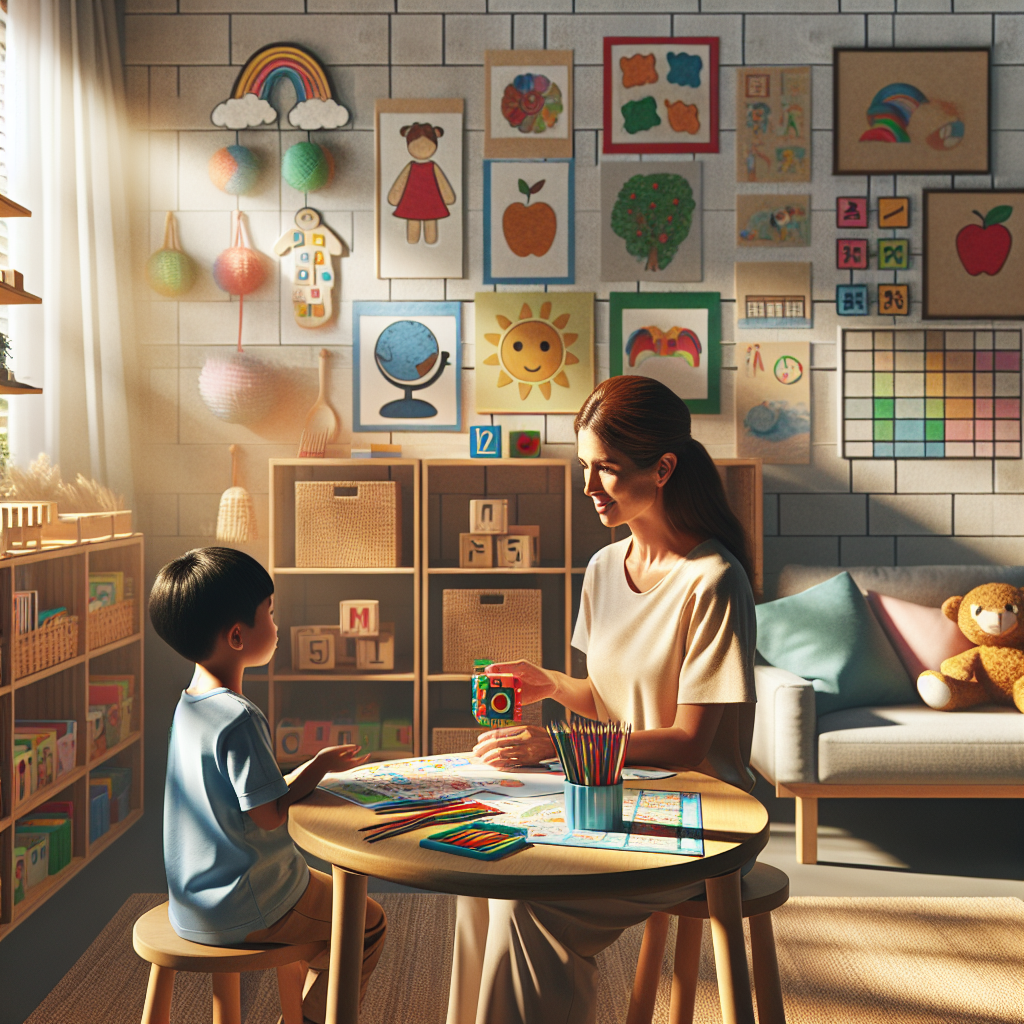
Creating a supportive home environment for children with learning disabilities is not just an option; it’s a necessity. In an era where understanding and accommodating diverse learning needs are paramount, a nurturing and positive home atmosphere can profoundly affect a child’s academic and emotional success. This guide delves into practical strategies, valuable insights, and relatable case studies, helping parents and caregivers lay the foundation for their children to thrive.
Understanding Learning Disabilities
What Are Learning Disabilities?
Learning disabilities encompass a range of challenges that affect how individuals process information. These can impact a child’s ability to read, write, or do math, among other skills. It’s crucial to recognize that learning disabilities are not reflective of a child’s intelligence; instead, they underscore diverse learning processes.
Types of Learning Disabilities
- Dyslexia: Difficulty with reading and language processing.
- Dyscalculia: Challenges with numerical concepts and math.
- Dysgraphia: Problems with writing and fine motor skills.
- ADHD: Attention difficulties that can interfere with learning.
Statistics on Learning Disabilities
According to the National Center for Learning Disabilities, around 1 in 5 children in the U.S. experience learning and attention issues. Understanding these statistics underscores the importance of fostering supportive environments at home.
| Type of Learning Disability | Prevalence |
|---|---|
| Dyslexia | 5-17% |
| Dyscalculia | 3-6% |
| Dysgraphia | 5-20% |
| ADHD | 5-10% |
Creating a Supportive Home Environment
1. Develop Open Communication
Establishing Trust
Creating an environment where children feel safe to express their struggles is vital. Parents should actively encourage their children to talk about their challenges without fear of judgment.
Case Study: Sarah, a mother of a 10-year-old with dyslexia, shares, "Initially, my son hesitated to talk about his difficulties with reading. When I started asking open-ended questions and showed empathy, he began to open up. Our conversations helped him feel more understood, and he became more willing to tackle his reading assignments."
2. Create a Structured Routine
Importance of Consistency
Children with learning disabilities often thrive in structured environments. A consistent daily routine can help reduce anxiety and improve focus.
Table: Example Daily Routine for a Child with Learning Disabilities
| Time | Activity |
|---|---|
| 7:00 AM | Wake Up |
| 7:30 AM | Breakfast |
| 8:00 AM | Homework/Study Time |
| 9:00 AM | Free Play |
| 10:00 AM | Chores |
| 12:00 PM | Lunch |
| 1:00 PM | Quiet Reading/Rest |
| 2:00 PM | Educational Games/Activities |
| 4:00 PM | Snack Time |
| 5:00 PM | Family Time |
| 7:00 PM | Dinner |
| 8:00 PM | Wind Down/Prepare for Bed |
3. Create a Designated Study Space
Tailored Learning Environment
Having a specific area dedicated to study can help boost concentration and reduce distractions.
Case Study: John, a father of a 12-year-old with ADHD, transformed a corner of their living room into a study nook. "I filled it with educational posters, organizational tools, and sensory toys to keep him engaged during study time. The change was remarkable; he manages his tasks more effectively now."
4. Implement Positive Reinforcement
Celebrate Small Wins
Positive reinforcement can encourage children to persevere through challenges. Celebrating small achievements can motivate them to continue working hard.
Example Approach: Use a reward chart to track progress and offer small incentives for completed tasks. Whether it’s stickers or extra playtime, find ways to motivate that resonate with your child.
5. Nurture Emotional Well-being
Addressing Emotional Needs
Children with learning disabilities may face low self-esteem or frustration. Prioritizing their emotional health is essential.
Activities to Foster Emotional Well-being:
- Journaling: Encourage children to write about their feelings.
- Mindfulness Exercises: Simple breathing or meditation techniques to promote relaxation.
6. Involve the Whole Family
Collaborative Support System
Creating a supportive home environment for children with learning disabilities involves the entire family. Encouraging siblings to participate in shared learning activities fosters inclusiveness and understanding.
Case Study: Lisa has a 9-year-old son with dyspraxia and a 7-year-old daughter. "Involving my daughter in her brother’s learning made her more empathetic. They now do homework together, turning challenges into fun activities. This bonding time is invaluable."
7. Reach Out to Educators
Collaboration with Teachers
Communication with educators is vital to reinforce strategies at home. Regular meetings with teachers can help you stay updated on your child’s progress and identify areas needing extra support.
8. Utilize Technology and Resources
Leveraging Modern Tools
Embracing technology can enhance learning experiences. Educational apps, audiobooks, and interactive games can provide engaging ways to learn.
Popular Educational Tools:
- Learning Ally: Offers audiobooks for children with dyslexia.
- Khan Academy: Free resources for different subjects, including math.
Conclusion
Creating a supportive home environment for children with learning disabilities is an ongoing journey that requires patience, creativity, and love. By fostering open communication, establishing structured routines, and nurturing emotional well-being, parents can equip their children to overcome obstacles and achieve their fullest potential.
Inspirational Takeaway
Every child has unique gifts waiting to be uncovered. By investing time and effort into creating a supportive home environment, you are planting the seeds for resilience, confidence, and lifelong learning.
FAQs
1. What are the signs of a learning disability?
Signs can vary, but common indicators include difficulty in reading or writing, trouble organizing thoughts, and challenges with memory retention.
2. How can I support my child’s self-esteem?
Encourage your child by celebrating their unique strengths and achievements, no matter how small. Avoid comparisons to peers and focus on their personal growth.
3. Are learning disabilities hereditary?
Research suggests a genetic link. Children with a family history of learning disabilities may be at higher risk.
4. How do I choose the right educational resources?
Look for resources tailored to your child’s specific learning disability. Consult with educators or specialists for recommendations.
5. What should I do if my child resists help?
Start by having honest conversations. Understand their feelings and emphasize that asking for assistance is a sign of strength, not weakness.
In summary, the key to creating a supportive home environment for children with learning disabilities is a blend of love, understanding, and strategic approaches tailored to individual needs. With consistent effort and the right tools, children can flourish and reach new heights.

