


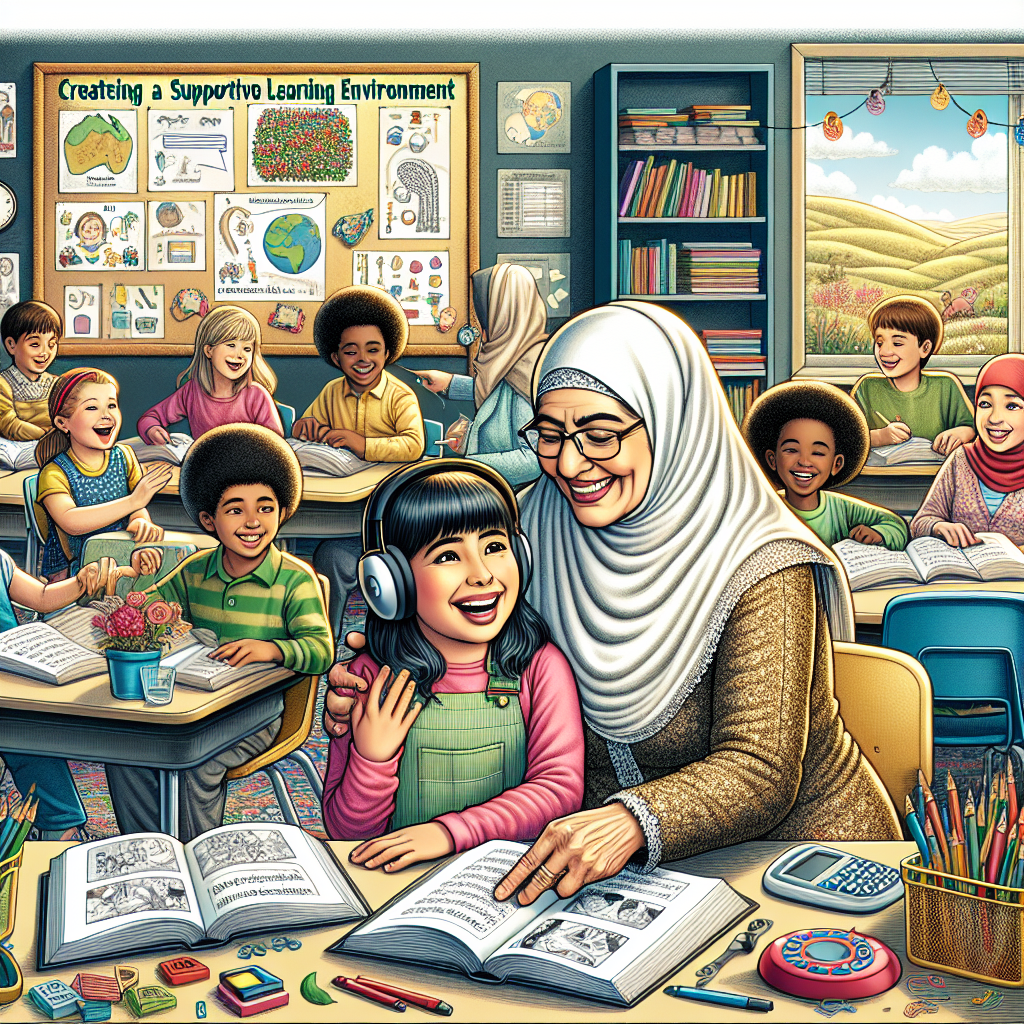
Creating a Supportive Learning Environment: A Guide to Classroom Accommodations for Learning Disabilities
Introduction
In a world where educational success is often viewed through the lens of standardized testing and rote memorization, there lies a critical responsibility to foster an inclusive and supportive learning environment for all students, especially those with learning disabilities. Creating a Supportive Learning Environment: A Guide to Classroom Accommodations for Learning Disabilities delves into the practices, strategies, and insights needed to transform classrooms into spaces where every learner can thrive.
As educators, it’s imperative to recognize that learning disabilities such as dyslexia, ADHD, and autism spectrum disorder are not a reflection of a student’s intelligence or potential but rather unique ways in which they process information. This guide explores how we can create an inclusive space that accommodates diverse learning needs, supporting every student in achieving their personal best.
Understanding Learning Disabilities
Before diving into the specifics of accommodations, it’s essential to understand what learning disabilities are and how they manifest in a classroom setting. Learning disabilities are neurological disorders that affect the brain’s ability to receive, process, store, and respond to information. Some common types of learning disabilities include:
- Dyslexia: Difficulty in reading owing to problems identifying speech sounds and learning how they relate to letters and words.
- Dyscalculia: Challenges in understanding numbers and math concepts.
- Dysgraphia: Difficulty with handwriting, spelling, and organizing thoughts.
- ADHD (Attention-Deficit/Hyperactivity Disorder): Affects focus, self-control, and other skills essential for academic success.
Understanding the variations in how these disabilities present themselves is crucial for tailoring your approach to accommodate each student’s unique needs.
Building Blocks of a Supportive Learning Environment
1. Fostering an Inclusive Classroom Culture
The first step in Creating a Supportive Learning Environment: A Guide to Classroom Accommodations for Learning Disabilities is to cultivate a culture of acceptance and inclusivity where all students feel valued. Here are some strategies:
- Set the Tone Early: Begin the year with community-building activities that encourage students to share their backgrounds and abilities.
- Promote Empathy: Use storytelling and role-playing exercises where students can learn about and empathize with their peers who have learning disabilities.
- Celebrate Diversity: Create an environment where diversity is acknowledged and celebrated, such as through multicultural projects that include varied perspectives.
2. Individualized Education Plans (IEPs) and 504 Plans
For students identified with learning disabilities, Individualized Education Plans (IEPs) or 504 Plans serve as essential documents that outline tailored accommodations. Here’s how you can work with these tools:
- Collaboration: Engage with special education professionals, parents, and students to create a comprehensive IEP.
- Regular Assessment: Periodically review the plan’s effectiveness and be open to making adjustments as needed.
Case Study: A teacher at a local middle school worked closely with a student’s family and special education team to develop an IEP that accommodated the student’s dyslexia. This included additional time on tests and reading materials that were at a more accessible level. The student’s reading proficiency improved significantly over the school year.
Analysis: This case illustrates the importance of collaboration and customization in implementing successful accommodations. When all stakeholders are involved, students receive the support they truly need.
3. Flexible Teaching Methods
Adapting instructional methods is fundamental to Creating a Supportive Learning Environment: A Guide to Classroom Accommodations for Learning Disabilities. Here are some effective techniques:
- Multi-Sensory Instruction: Combine visual, auditory, and kinesthetic approaches to teaching. For instance, using manipulatives in math can help students grasp concepts more easily.
- Technology Integration: Leverage assistive technologies. For example, text-to-speech software can help students with dyslexia consume reading materials more effectively.
Chart: Effective Teaching Methods and Corresponding Learning Disabilities
| Teaching Method | Best For |
|---|---|
| Multi-Sensory Instruction | Dyslexia, Dyscalculia |
| Audio Books | Dyslexia |
| Graphic Organizers | ADHD, Dysgraphia |
| Mind-Mapping Software | All Learning Disabilities |
4. Classroom Environment
A well-structured classroom can significantly affect student learning. Here are some modifications to consider:
- Organized Spaces: Keep the classroom free of distractions and maintain clear organization of materials.
- Quiet Zones: Create designated quiet zones for students who may need a break from sensory overload.
- Flexible Seating: Permit various seating arrangements like bean bags, standing desks, or floor cushions to cater to different learning preferences.
5. Teaching Social-Emotional Skills
Students with learning disabilities often face social and emotional challenges. Integrating social-emotional learning (SEL) into your curriculum can support these needs.
- Explicit Instruction: Incorporate lessons on self-regulation, empathy, and teamwork.
- Peer Mentoring: Establish a buddy system that pairs students to foster relationships and mutual support.
Case Study: A high school implemented a social-emotional learning program that targeted students with learning disabilities. After six months, incidents of bullying decreased, and student reports of feeling connected increased.
Analysis: This emphasizes how addressing social-emotional needs can lead to a more supportive environment, ultimately improving not just academic but also interpersonal outcomes.
Monitoring Progress and Adjusting Strategies
1. Ongoing Assessment
Regularly assess student progress to determine which strategies work and which do not. Use formative assessments, such as quizzes, reflections, and discussions, to gather data.
2. Solicit Feedback
Encourage students to provide feedback on what accommodations are beneficial and what they would like to see changed.
3. Collaborate with Specialists
Work with school psychologists and special education experts to continuously refine strategies.
Conclusion
Creating a Supportive Learning Environment: A Guide to Classroom Accommodations for Learning Disabilities is an ongoing journey. By embracing inclusivity, understanding each student’s unique needs, and consistently adapting your approach, you contribute to an educational landscape where all learners can succeed. Remember, every effort made to accommodate diverse learning needs enriches not only the affected student but the entire classroom community.
FAQs
1. What are common misconceptions about learning disabilities?
Common misconceptions include the idea that learning disabilities equate to low intelligence or that students can simply "try harder" to succeed. It’s important to acknowledge that learning disabilities are neurological, not reflective of a student’s capability.
2. How can parents support their children with learning disabilities at home?
Parents can create structured, predictable routines, encourage their children to express their learning preferences, and advocate for necessary accommodations in school.
3. What are some quick accommodation strategies to implement?
Some quick strategies include allowing extended time on tests, offering alternative ways to demonstrate knowledge (like presentations instead of written reports), and providing quiet spaces for focused work.
4. Are there legal requirements for accommodating students with learning disabilities?
Yes, under laws such as IDEA and Section 504, schools are required to provide appropriate accommodations to students with identified learning disabilities.
5. How can I educate my classmates about learning disabilities?
Creating informational sessions, sharing resources, and promoting awareness activities can foster understanding and empathy among peers.
6. What role do teachers play in shaping attitudes towards learning disabilities?
Teachers serve as critical role models. They can promote positive attitudes by modeling inclusivity, using person-first language, and actively advocating for diverse learners.
By implementing these principles, educators can create a vibrant classroom environment that empowers every student to shine.

