


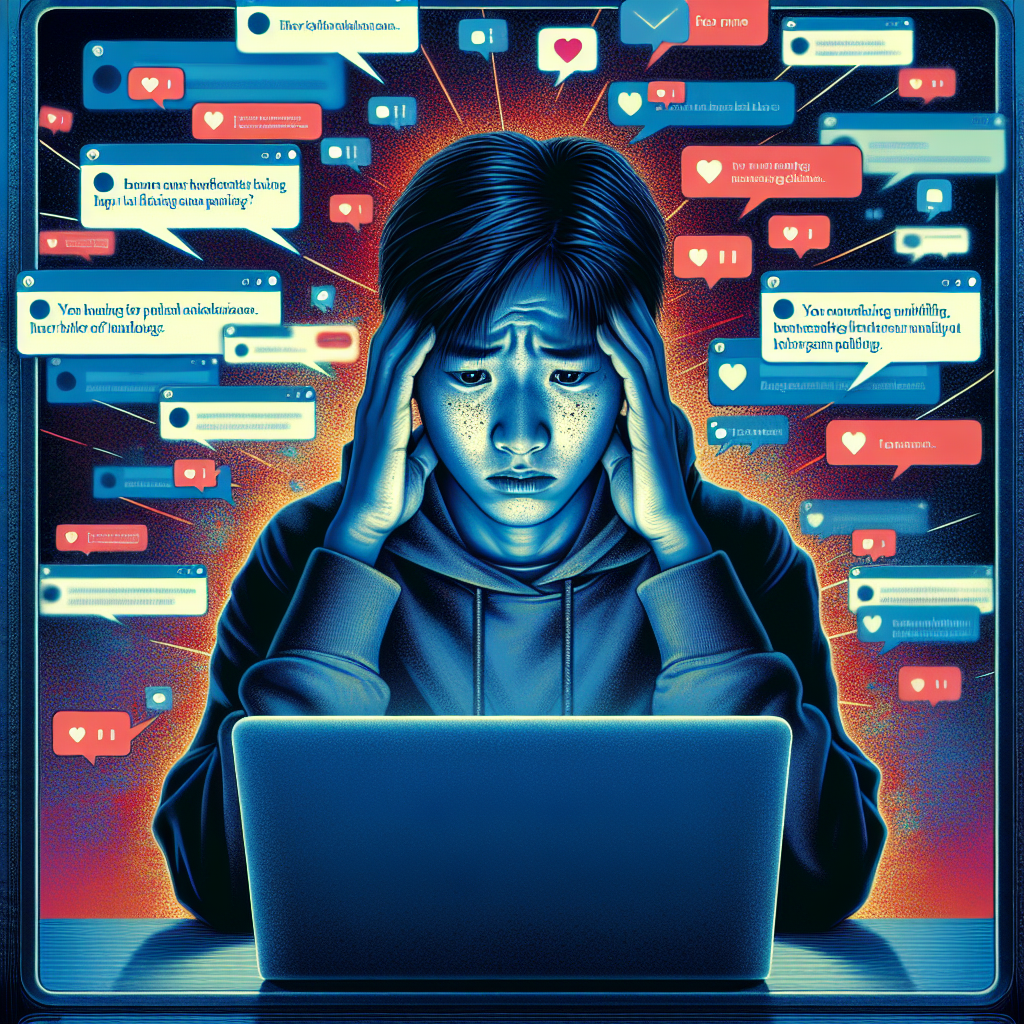
Cyberbullying to FOMO: The Dark Side of Social Media on Teenage Minds
Introduction
In an age where connectivity is at our fingertips, social media has become an integral part of teenage life. But what appears to be a gateway for social interaction can also reveal a darker underbelly. Cyberbullying to FOMO: The Dark Side of Social Media on Teenage Minds is an exploration of how online platforms—once celebrated for their ability to bring teens together—can exacerbate feelings of isolation, anxiety, and depression. This journey through the shadows of social media impacts not only individual teenagers but also has far-reaching consequences for families and communities.
Understanding Social Media’s Rise in Popularity Among Teens
The Digital Natives
Today’s teens are digital natives, spending an average of over seven hours a day on screens beyond schoolwork. The allure of platforms like Instagram, Snapchat, and TikTok draws them in, providing instant gratification and a means of self-expression. Yet, as they navigate these digital landscapes, they are not just interacting with friends but also contending with online pressures that can manifest in harmful ways.
Case Study: The Impact of Instagram
A 2021 study by the Pew Research Center found that 69% of teens use Instagram, often to curate an idealized version of their lives. While these platforms promote creativity and community, they also nurture unrealistic standards, leading to feelings of inadequacy and fear of missing out (FOMO).
The Dual-Edged Sword of Connectivity
Social media serves a vital role in maintaining friendships and fostering identity. However, this connection can quickly turn sour, particularly for those susceptible to bullying or the effects of FOMO.
The Rise of Cyberbullying
Defining Cyberbullying
Cyberbullying refers to any form of bullying that occurs through digital platforms. It can take various forms, including harassment, impersonation, and spreading rumors. Unlike traditional bullying, which often has a physical presence, cyberbullying occupies the virtual realm, making it harder for victims to escape.
The Toll on Mental Health
Research indicates that victims of cyberbullying often experience severe emotional distress, including depression, anxiety, and suicidal thoughts. According to the National Center for Mental Health, approximately 15% of teens report being bullied online, with only a fraction of incidents ever reported to authorities.
Case Study: The Tragic Story of Amanda Todd
Amanda Todd, a Canadian teenager, became a tragic symbol of the consequences of cyberbullying. After being blackmailed and harassed online, she shared her struggles through a heart-wrenching video that went viral before she took her own life. Her story elevates the conversation around mental health and the urgent need for preventive measures.
Real-World Statistics on Cyberbullying
| Statistic | Percentage (%) |
|---|---|
| Teens affected by cyberbullying | 15% |
| Reports made to authorities | 25% |
| Teens who experience depression | 20% |
The Fear of Missing Out (FOMO)
What is FOMO?
FOMO, or the fear of missing out, is the anxiety that an exciting or interesting event may currently be happening elsewhere. In a continuously connected world, social media amplifies FOMO, as individuals constantly see others enjoying experiences they are not part of.
FOMO as a Social Media Phenomenon
Platforms like Instagram and Snapchat contribute significantly to FOMO, often showcasing curated lifestyles that can lead to disappointment and isolation for those who feel left out.
Case Study: TikTok Trends
The rise of TikTok trends serves as a powerful illustration of FOMO. Viral challenges entice young users to partake, but those who are hesitant or lack the skills feel an acute sense of exclusion, leading to feelings of inadequacy.
Psychological Impacts of FOMO
Studies show that FOMO is linked to increased anxiety, depression, and even lower self-esteem. The more a teenager engages with social media, the greater their FOMO, creating a vicious cycle that’s difficult to escape.
The Intersection of Cyberbullying and FOMO
As we delve deeper into the Cyberbullying to FOMO: The Dark Side of Social Media on Teenage Minds, understanding the connection between these two issues is crucial. Cyberbullying exacerbates FOMO, as the constant barrage of social media updates can make students feel even more isolated when targeted.
Group Dynamics and the Spread of Fear
The dynamics among peer groups can be particularly detrimental. When one person experiences cyberbullying, it creates a ripple effect where others may distance themselves from the victim out of fear or social pressure, intensifying the feelings of loneliness and FOMO.
Case Study: The Social Media Pact
A group of high school students signed a "no cyberbullying pact" to combat harassment online. While they aimed to foster a supportive environment, one student felt the pangs of FOMO every time the rest shared experiences on social media, even with the pact in place. This underlines how group dynamics can create an environment of exclusion.
Strategies to Combat Cyberbullying and FOMO
Digital Literacy Education
Understanding how to navigate the online world is a critical first step. Schools should implement digital literacy programs that focus on the responsible use of social media.
Open Conversations
Encouraging open dialogue about the realities of social media can help mitigate its negative effects. Parents should create a safe space for teenagers to discuss their online experiences without judgment.
Empowering Bystanders
Bystanders play a crucial role in combating cyberbullying. Educating peers on how to intervene and support victims can foster a more supportive online community.
Resources for Support
Organizations and Initiatives
- StopBullying.gov: Provides resources and guidance for prevention and intervention.
- The Trevor Project: Focuses on LGBTQ+ youth and offers crisis intervention and suicide prevention.
- Be A Friend: A community initiative aimed at promoting digital kindness.
Conclusion
The exploration of Cyberbullying to FOMO: The Dark Side of Social Media on Teenage Minds reveals a complex relationship ripe with challenges and vulnerabilities. As we strive to understand these issues, it becomes clear that proactive measures must be taken to foster healthier online interactions. The path forward demands comprehensive education, open conversations, and community initiatives. With the right support, we can empower teenagers to navigate these digital landscapes with resilience and confidence.
FAQs
1. What should I do if I am a victim of cyberbullying?
It’s essential to document the incidents and reach out for support—whether it be friends, family, or school authorities. You don’t have to go through this alone.
2. How can parents help their teens manage FOMO?
Encouraging open communication about their feelings and promoting offline activities can help alleviate FOMO’s grip on teens.
3. Are there any warning signs of cyberbullying?
Look for changes in behavior, such as withdrawal from social activities, drops in academic performance, or unexplained mood swings.
4. How can teenagers support friends experiencing cyberbullying?
Encouraging them to talk to adults and standing up against the behavior can help. It’s crucial not to remain silent.
5. What role do schools play in combating cyberbullying?
Schools should prioritize creating safe environments, provide educational resources about digital citizenship, and ensure proper reporting channels for affected students.
This article has investigated the twin shadows of cyberbullying and FOMO within the social media ecosystem for teenagers, presenting a comprehensive guide to recognizing, addressing, and mitigating their impacts. In a world where social experiences are amplified by online interactions, it’s more vital than ever to foster open communication and support systems to empower our youth.

