


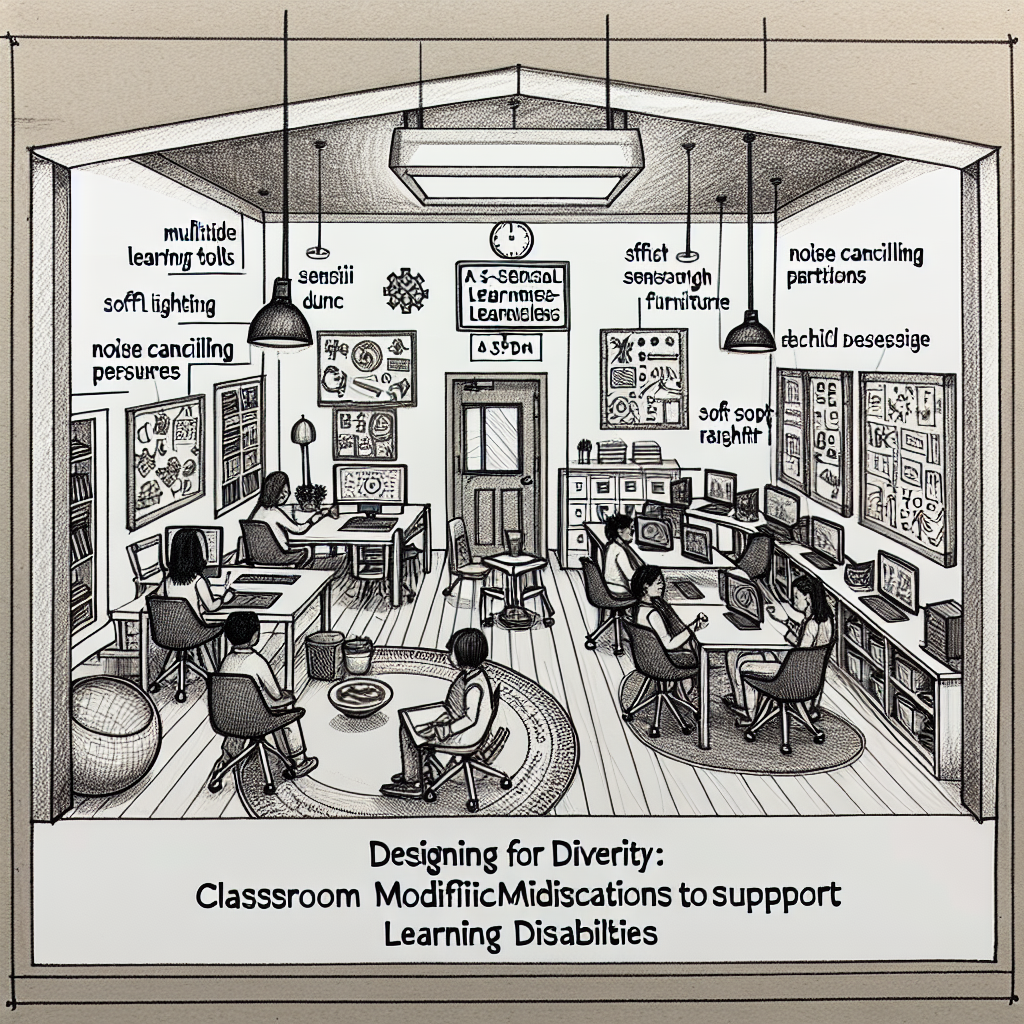
Designing for Diversity: Essential Classroom Modifications that Support Learning Disabilities
Introduction
In today’s education landscape, the mantra “one size fits all” is quickly becoming obsolete. Every student has unique needs, particularly those with learning disabilities who navigate a world that can often feel isolating and overwhelming. For educators, the challenge lies in fostering an inclusive environment that celebrates diversity while also addressing individual learning needs. This article delves into Designing for Diversity: Classroom Modifications that Support Learning Disabilities, offering actionable insights, compelling case studies, and practical strategies that will transform your approach to teaching.
Understanding Learning Disabilities
Learning disabilities encompass a range of conditions that affect how individuals process information. These can include dyslexia, ADHD, autism spectrum disorders, and more. Each type of learning disability presents unique challenges in the classroom setting. Understanding these differences is the first step in Designing for Diversity: Classroom Modifications that Support Learning Disabilities.
Common Types of Learning Disabilities
| Type of Learning Disability | Description |
|---|---|
| Dyslexia | Difficulty in reading and processing written material. |
| ADHD | Challenges with attention, impulse control, and organization. |
| Dysgraphia | Difficulty in writing coherently. |
| Dyscalculia | Struggles with mathematical concepts and calculations. |
| Autism Spectrum Disorder | Varied challenges in social interaction and communication. |
Importance of Addressing Learning Disabilities
The implications of not addressing learning disabilities can be severe. Academic struggles, decreased self-esteem, and increased dropout rates are all potential outcomes. By Designing for Diversity: Classroom Modifications that Support Learning Disabilities, educators can cultivate an inclusive atmosphere that not only retains students but also helps them thrive.
The Role of Universal Design for Learning (UDL)
What is UDL?
Universal Design for Learning (UDL) is a framework that promotes flexible learning environments. It focuses on three key principles:
- Multiple Means of Engagement: Motivation comes from various sources; what excites one student may bore another.
- Multiple Means of Representation: Information should be presented in diverse ways to accommodate different learning processes.
- Multiple Means of Action and Expression: Students should have various avenues to demonstrate what they know.
UDL in Action
Integrating UDL into your classroom is a cornerstone of Designing for Diversity: Classroom Modifications that Support Learning Disabilities.
- Case Study: “Flexible Learning Stations”
A middle school implemented UDL by establishing flexible learning stations where students could choose their medium—videos, books, or hands-on activities—to explore the same subject. This setup proved beneficial for students with learning disabilities, allowing them to engage with content in ways that resonated with their strengths.
Implementing Classroom Modifications
Physical Space: A Welcoming Environment
The physical layout of a classroom can influence student learning. To support students with learning disabilities, consider the following modifications:
- Flexible Seating: Allow students to choose seating arrangements that help them focus, like bean bags or standing desks.
- Visual Aids: Use charts, infographics, and color-coded materials to assist visual learners.
- Quiet Zones: Designate areas in the classroom where students can retreat when feeling overwhelmed.
Instructional Strategies
-
Multisensory Learning: Engage students through auditory, visual, and kinesthetic experiences.
-
Chunking Information: Break content into manageable pieces to avoid overwhelming students.
- Assistive Technology: Leverage tools like speech-to-text software and audiobooks.
Table: Examples of Instructional Strategies
| Strategy | Description | Effectiveness for Learning Disabilities |
|---|---|---|
| Reciprocal Teaching | Students teach each other in small groups. | Enhances comprehension and peer interaction. |
| Graphic Organizers | Visual frameworks for organizing information. | Supports visual learners in structuring thoughts. |
| Peer Tutoring | Pairing students for collaborative learning. | Benefits both the tutor and the tutee. |
Building a Supportive Community
Collaboration with Parents and Caregivers
In Designing for Diversity: Classroom Modifications that Support Learning Disabilities, the role of parents cannot be overstated. Regular communication with families fosters a support network that reinforces learning both at home and in school.
- Case Study: Parent Workshops
A school district organized workshops to educate parents on how best to support their children at home. This collaboration led to improved academic outcomes and a greater sense of community among families.
Peer Inclusion
Creating a culture of acceptance among peers is vital. Students should learn to understand and appreciate differences in learning styles and abilities. Strategies include:
-
Buddy Systems: Pairing students with and without disabilities fosters empathy and teamwork.
- Classroom Discussions: Encourage open conversations about different learning styles and challenges facing peers.
Training and Professional Development
Educators must be equipped with the tools and knowledge to implement effective modifications. Offering ongoing professional development focused on inclusive practices can empower teachers to implement strategies from Designing for Diversity: Classroom Modifications that Support Learning Disabilities effectively.
Monitoring and Assessment
Continuous Assessment Methods
To ensure that classroom modifications are effective, it’s crucial to employ diverse assessment methods:
-
Formative Assessments: Regular checks for understanding (quizzes, discussions).
- Performance-Based Assessments: Students demonstrate knowledge through projects or presentations.
Data-Driven Decision Making
Utilizing collected data helps educators adjust strategies to meet student needs.
- Case Study: Student Progress Tracking
A school adopted a data-tracking system to tailor interventions based on individual student performance. This approach led to noticeable improvements in student engagement and achievement among those with learning disabilities.
Conclusion
Designing for Diversity: Classroom Modifications that Support Learning Disabilities is not merely a best practice; it’s a necessity in today’s diverse educational landscape. By implementing these strategies, educators can foster an inclusive environment that respects and nurtures every learner’s potential.
As we conclude, remember that every modification you implement can make a significant difference in a student’s educational journey. Embrace the challenge, advocate for change, and champion the diversity that enhances learning for all. Our future—the vibrant minds of our students— depends on it.
FAQs
1. What are some effective classroom modifications for dyslexia?
Implement multisensory teaching methods, use audiobooks, and provide extra time for assigned readings to help dyslexic students.
2. How can technology support students with learning disabilities?
Assistive technology like text-to-speech software, speech recognition tools, and tailored apps can significantly enhance learning.
3. What can I do if a student is struggling with attention issues?
Incorporate structured routines, break tasks into smaller parts, and utilize visual schedules to help maintain focus.
4. How important is parental involvement in supporting students with learning disabilities?
Parental involvement is crucial; it strengthens the learning process and creates a support network both at home and in the classroom.
5. What role do peers play in supporting students with learning disabilities?
Peers can foster a sensitive and inclusive environment, facilitating collaborative learning experiences that can boost confidence and engagement.
6. Where can I find more resources related to teaching students with learning disabilities?
Many organizations offer resources, including Learning Disabilities Association of America and Understood.org, providing articles, tools, and community support.
By embracing the principles of Designing for Diversity: Classroom Modifications that Support Learning Disabilities, you not only equip yourself with the tools necessary to foster an inclusive classroom but also ignite a culture of empathy and understanding in your educational community.

