


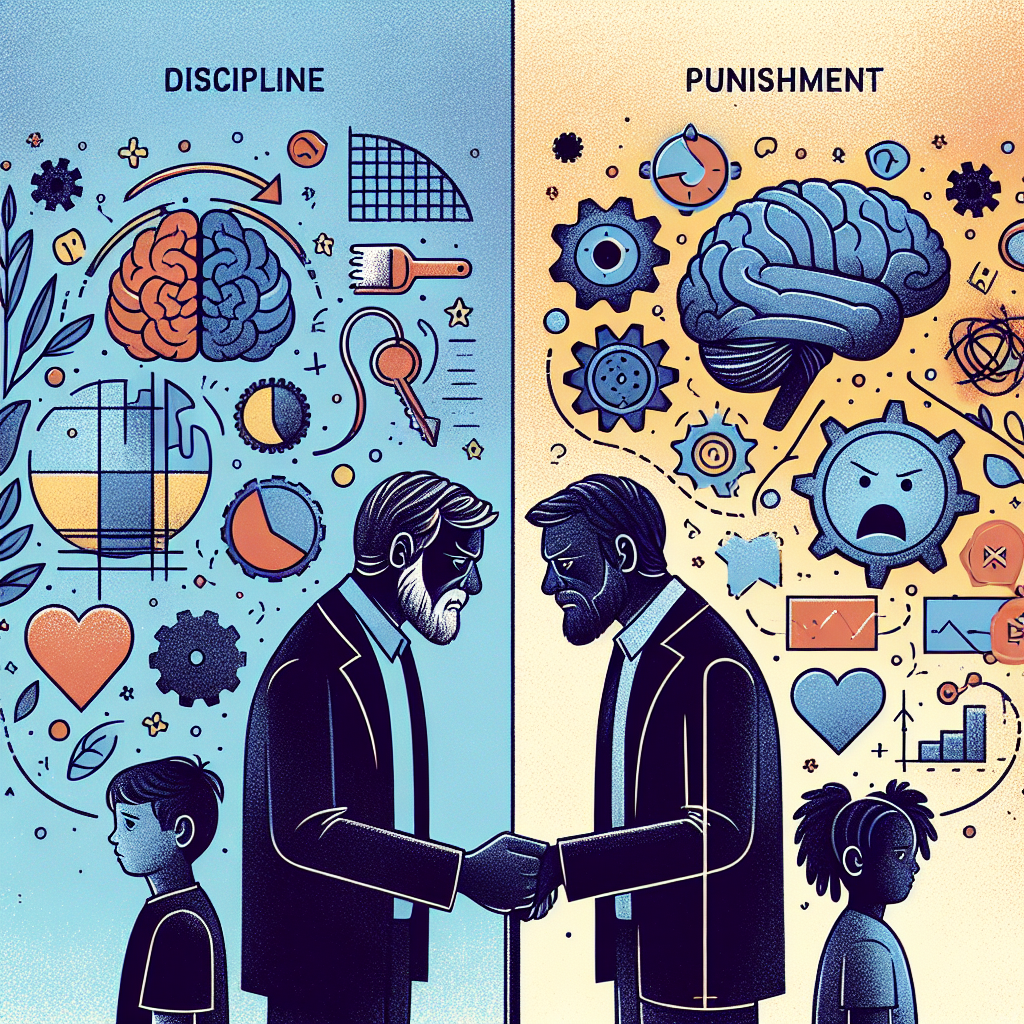
Discipline vs. Punishment: Essential Insights from Behavioral Psychology for Raising Emotionally Intelligent Children
Introduction: The Heart of Parenting
In a world where emotional intelligence is increasingly recognized as a cornerstone of success, parents find themselves at a pivotal crossroads: how to effectively guide their children’s behavior. Should you invoke discipline or resort to punishment? The distinction may seem subtle but carries profound implications for a child’s emotional development and overall well-being. This article, "Discipline vs. Punishment: Insights from Behavioral Psychology for Raising Emotionally Intelligent Children," will explore these concepts, offering evidence-backed insights from behavioral psychology. As we embark on this journey, we will unpack how to cultivate a nurturing environment that promotes emotional intelligence through effective parenting strategies.
Understanding Discipline and Punishment
What is Discipline?
Discipline, at its core, is about teaching and guiding. It’s a proactive approach that focuses on nurturing learning and growth. When parents discipline, they aim to instill values, teach consequences, and foster self-control, paving the way for emotionally intelligent behavior. Behavioral psychologists emphasize the importance of positive reinforcement in this process.
What is Punishment?
Punishment, conversely, often stems from a reactive mindset. It is usually characterized by inflicting a negative consequence for undesirable behavior. While it may elicit immediate compliance, punishment often fails to teach the vital skills children need to make better choices in the future. Instead of fostering emotional intelligence, it may instill fear or resentment.
The Science Behind the Terms
To illustrate the difference, let’s consider a simple chart:
| Aspect | Discipline | Punishment |
|---|---|---|
| Focus | Teaching and guiding | Inflicting consequences |
| Objective | Building skills and values | Stopping undesirable behavior |
| Emotional Impact | Fosters trust and understanding | Can instill fear and resentment |
| Long-term Goal | Emotional intelligence and self-regulation | Compliance in the short-term |
Behavioral Psychology in Action
Case Study 1: Teaching Empathy Through Discipline
In a controlled study, a group of parents utilized disciplinary methods focused on teaching empathy and understanding. When children displayed aggressive behavior, parents guided them through the context: "How would you feel if someone treated you that way?" The result? These children developed not just better social skills but also a refined sense of empathy.
Analysis: This case demonstrates the efficacy of discipline in nurturing emotional intelligence. Rather than merely correcting behavior, parents used discipline to foster more profound emotional understanding, crafting kids who can connect with and relate to others.
The Role of Emotional Intelligence
Emotional intelligence encompasses skills like emotional awareness, empathy, and relationship management. Research shows that children with high emotional intelligence often perform better socially and academically.
How Discipline Promotes Emotional Intelligence
-
Encouragement of Emotional Awareness: Through constructive discussions about emotions tied to behavior, children learn to identify and articulate their feelings.
-
Fostering Empathy and Understanding: Teaching children to consider the feelings of others helps them develop deeper, empathetic relationships.
- Promoting Self-Regulation: Discipline helps children navigate their emotions more effectively, creating space for self-control.
Case Study 2: The Long-Term Effects of Punishment
In contrast, a separate longitudinal study followed children who primarily underwent punishment as a disciplinary method. These children often showed higher occurrences of behavioral issues in adolescence, linking the reliance on punitive measures with inadequate coping and emotional management skills later in life.
Analysis: This study underscores a critical takeaway: punishment may yield short-term compliance but can hinder long-term emotional growth.
Strategies for Effective Discipline
Setting Clear Expectations
Beginning with clear expectations can create an environment where children understand boundaries. Use positive language, and make sure children know what is acceptable behavior.
Positive Reinforcement
When children meet expectations, celebrate those moments. Positive reinforcement helps children feel valued and encourages them to repeat good behavior.
Emotional Check-ins
Frequent emotional check-ins foster an environment where children feel safe discussing their feelings. This consistency in communication builds their emotional intelligence.
Teaching Problem-Solving Skills
Encourage children to think critically about their actions and their consequences. Problem-solving discussions offer opportunities for them to engage their emotional processing capabilities.
Use of Natural Consequences
Whenever possible, let natural consequences teach lessons. If a child doesn’t wear a coat on a chilly day, they’ll learn about cold temperatures firsthand, without the need for imposed punishment.
The Importance of a Supportive Environment
Creating a nurturing space significantly affects how discipline and punishment impact emotional intelligence. Here are vital elements to consider:
Building Secure Attachments
According to behavioral psychology, kids who feel secure within their environments are better equipped to handle challenges. A strong attachment with parents encourages openness.
Encouraging Open-Mindedness
Incorporate discussions about emotional health in everyday dialogues to raise awareness in children about mental well-being.
Case Study 3: Classroom Discipline Models
Schools that emphasize a supportive discipline model have reported decreases in behavioral issues. Teachers implemented rules encouraging students to express their feelings and showcase their strengths, leading to improved academic performance and emotional outcomes.
Analysis: This highlights the importance of community in cultivating emotional intelligence. This model shows that discipline, when framed positively, plays a substantial role in the developmental journey.
Common Misconceptions About Discipline and Punishment
Misconception 1: Discipline is Just Another Word for Punishment
Many parents conflate the two terms, believing they are interchangeable. The above discussions illustrate why they should be viewed distinctly.
Misconception 2: Emotional Intelligence is Inherent
Some believe emotional intelligence is innate and cannot be taught. In reality, evidence suggests that structured engagement through discipline nurtures emotional skills in childhood.
FAQs About Discipline vs. Punishment
1. Why is discipline more effective than punishment?
Discipline fosters an understanding, emotional awareness, and self-regulation, cultivating long-term emotional intelligence, while punishment can lead to fear and resentment.
2. What are some discipline techniques I can use?
Techniques include setting clear expectations, positive reinforcement, emotional check-ins, teaching problem-solving skills, and utilizing natural consequences.
3. How can I teach empathy to my child?
Engage in open discussions about emotions, read stories that invoke empathy, and model empathetic behavior in your daily life.
4. Can punishment have any positive effects?
While punishment might lead to immediate compliance, studies suggest its long-term effects often hinder emotional development and self-regulation.
5. How do I know if I’m using discipline effectively?
Evaluate your child’s emotional growth and behavior. Are they developing empathy, self-control, and emotional awareness? If so, your disciplinary methods are likely effective.
Conclusion: A Path Forward
As parents, the choice between discipline and punishment is often complex yet profoundly impactful. Behavioral psychology provides invaluable insights into fostering emotional intelligence through discipline—a teaching approach centered on growth and understanding. As you raise your children, remember that your methods and attitudes will shape their emotional landscape. By choosing discipline over punishment, you lay a strong foundation for resilient, emotionally intelligent adults.
In the end, consider the question: What kind of emotional landscape are you cultivating for your children? The path lies before you—full of possibilities and profound rewards. Let’s choose the road of understanding, nurturing, and emotional intelligence.
End of Article
This article provides you with thoughtful insights into the vital difference between discipline and punishment, specifically aimed at fostering emotionally intelligent children. As you navigate your parenting journey, may these insights empower you to take positive, intentional steps toward effective discipline!

