Introduction
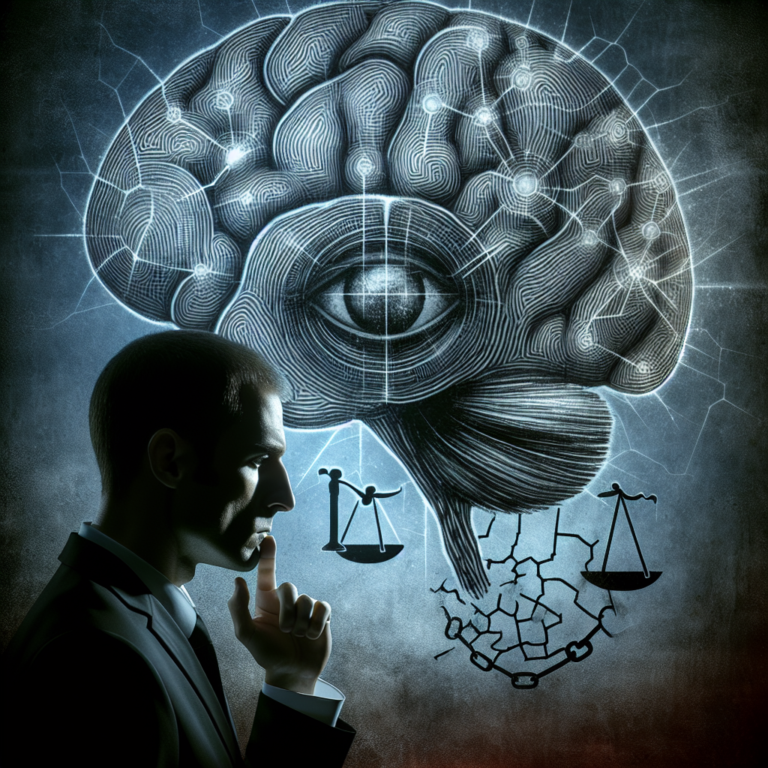
In the ever-evolving fields of criminal psychology and law enforcement, one of the most crucial tools at a professional’s disposal is forensic assessment. Understanding criminal behavior is vital for preventing crime and ensuring justice. But how do we truly gauge the complexities of the human mind within the context of crime? This is where dissecting forensic assessments becomes essential. By examining individual psychological profiles and risk factors, we can unlock the secrets behind criminal actions, leading to better prevention strategies, rehabilitation methods, and an overall understanding of criminal behavior.
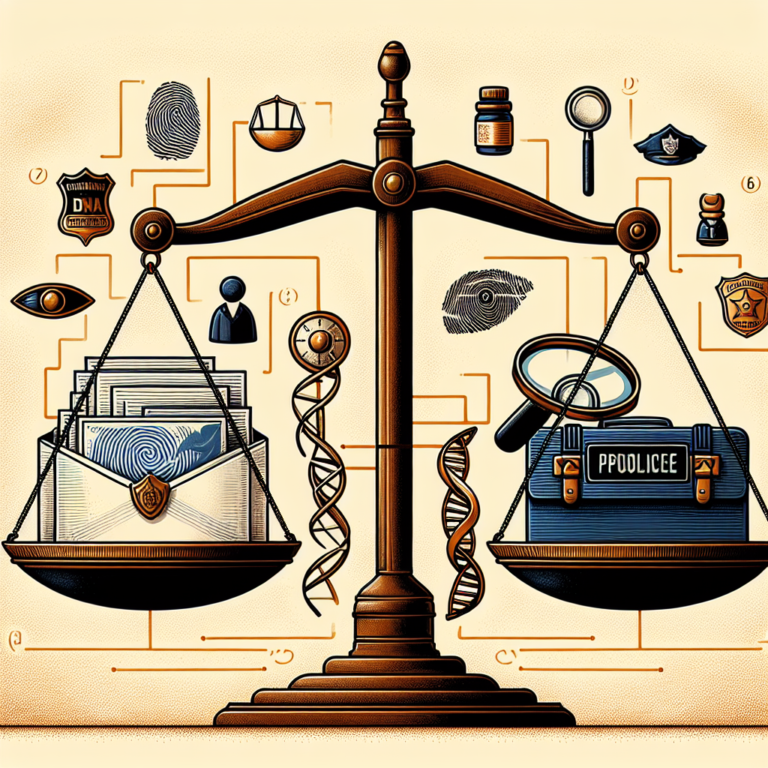
Forensic assessments serve as a bridge between psychology and the legal system, providing invaluable insights into criminal motivations and behaviors. As we navigate through this comprehensive article, we’ll dissect the fundamentals of forensic assessments while exploring their interplay with criminal behavior.
What Are Forensic Assessments?
Defining Forensic Assessments
Forensic assessments are evaluations conducted to apply psychological principles and methods in legal contexts. They involve psychological testing, interviews, and various evaluative techniques designed to assess an individual’s mental state, behavior, and competency regarding legal questions. These assessments may focus on mental health issues, risk assessments for re-offending, and competency to stand trial.
The Importance of Forensic Assessments
The relevance of dissecting forensic assessments cannot be overstated. They provide:
- Insight into mental illnesses that may influence behavior.
- A basis for determining competency in legal cases.
- Tools for predicting potential future criminal behavior.
Effectively utilizing these assessments can guide legal decisions and outcomes that impact individuals and society at large.
The Components of Forensic Assessments
Psychological Testing
Psychological tests are standardized instruments used to evaluate cognitive functions, emotional states, and personality characteristics. These tests often include:
| Test Name | Purpose |
|---|---|
| MMPI (Minnesota Multiphasic Personality Inventory) | Assesses personality traits and psychopathology. |
| WAIS (Wechsler Adult Intelligence Scale) | Measures cognitive ability. |
| HCR-20 (Historical, Clinical, Risk Management-20) | Evaluates risk of violence based on clinical history and current presentation. |
Psychological tests provide quantitative data that can support qualitative judgments about a person’s behavior and tendencies.
Clinical Interviews
These interviews serve as the backbone of many forensic assessments. A skilled clinician collects detailed background information, focusing on:
- Personal history
- Family dynamics
- Social relationships
- Any prior legal encounters
Clinical interviews help to contextualize test outcomes, adding depth and detail to the evaluation.
Risk Assessment Instruments
When dissecting forensic assessments, understanding the risk is paramount. Various tools help predict the likelihood of re-offending:
- Static-99: Used to assess sex offenders.
- START: Structured framework for violence risk assessment.
These instruments quantify risk factors, allowing professionals to make informed decisions about necessary interventions or treatment.
Real-World Applications: Case Studies
Case Study 1: The Unabomber
Ted Kaczynski, known as the Unabomber, provides a striking example of how forensic assessment can help illuminate criminal behavior. After his arrest, Kaczynski underwent extensive psychological evaluation, which revealed he suffered from paranoid schizophrenia. The forensic assessments highlighted his anti-social tendencies and obsession with societal beliefs, which drove his criminal activities.
Analysis
In this case, dissecting Kaczynski’s psychological profile provided vital insights into his motivations, enabling the legal system to understand his actions within a much broader context.
Case Study 2: The Aurora Theater Shooting
James Holmes, the perpetrator of the Aurora theater shooting, underwent forensic assessment to determine his mental state at the time of the crime. The evaluations conducted revealed significant indicators of serious mental health issues, including schizophrenia. This has raised many discussions in the legal community about the role of mental illness in violent crimes.
Analysis
Holmes’ case emphasizes the importance of forensic assessments in understanding crime. They not only assist in determining guilt or innocence but also challenge society to consider the mental health factors that contribute to criminal behavior.
The Process of Conducting Forensic Assessments
Steps Involved
- Referral Question: Identify the specific legal questions that need addressing.
- Data Collection: Gather information through interviews, psychological testing, and file reviews.
- Analysis: Interpret the data while focusing on relevant legal standards.
- Reporting: Prepare a comprehensive report detailing findings, conclusions, and recommendations.
Challenges in Forensic Assessments
Conducting effective forensic assessments comes with challenges such as:
- Overcoming biases in evaluations
- Ensuring the accuracy of psychological tests
- Navigating the complexities of legal standards and ethical obligations
By being aware of these challenges, professionals can work diligently to improve the effectiveness of their assessments.
The Future of Forensic Assessments
Emerging Trends
As research continues to unfold, several trends are emerging:
- Integration of Technology: AI and machine learning are beginning to play roles in predicting criminal behavior based on patterns.
- Holistic Assessments: Increasing emphasis on comprehensive approaches that include social, biological, and psychological factors.
- Collaborative Practices: Mental health professionals are increasingly engaging with law enforcement to develop better strategies for assessing and preventing crime.
Conclusion
Dissecting forensic assessments is indeed a key element in understanding criminal behavior. With a detailed examination of psychological profiles and risk factors, we can pave the way for more effective prevention and rehabilitation strategies. Moving forward, the incorporation of advanced methodologies and interdisciplinary collaborations will enhance these assessments’ efficacy and relevance.
As you reflect on the complexities of criminal behavior, remember that understanding the mind is the first step towards a safer society. Embrace the opportunity to promote positive change through informed discussions surrounding mental health and crime.
FAQs
1. What is the main goal of forensic assessments?
The primary goal is to evaluate an individual’s mental state and functionality in relation to legal questions that arise in criminal cases.
2. How are forensic assessments different from standard psychological assessments?
Forensic assessments are specifically designed for legal purposes, focusing on issues pertinent to the criminal justice system, such as competency and risk of re-offending.
3. Can forensic assessments be used in civil cases as well?
Yes, while often associated with criminal cases, they can also play a role in civil matters, such as assessing mental competence for contracts or child custody evaluations.
4. How reliable are the predictions made by forensic assessments?
While forensic assessments provide valuable insights, the accuracy of predictions can vary based on several factors, including the tools used and the evaluator’s expertise.
5. Are there ethical concerns regarding forensic assessments?
Yes, ethical concerns include ensuring informed consent, navigating potential biases, and the implications of using the findings within a legal context.
By understanding and leveraging forensic assessments, we take a significant step toward curbing criminal behavior and fostering a more informed society.
About the Author