


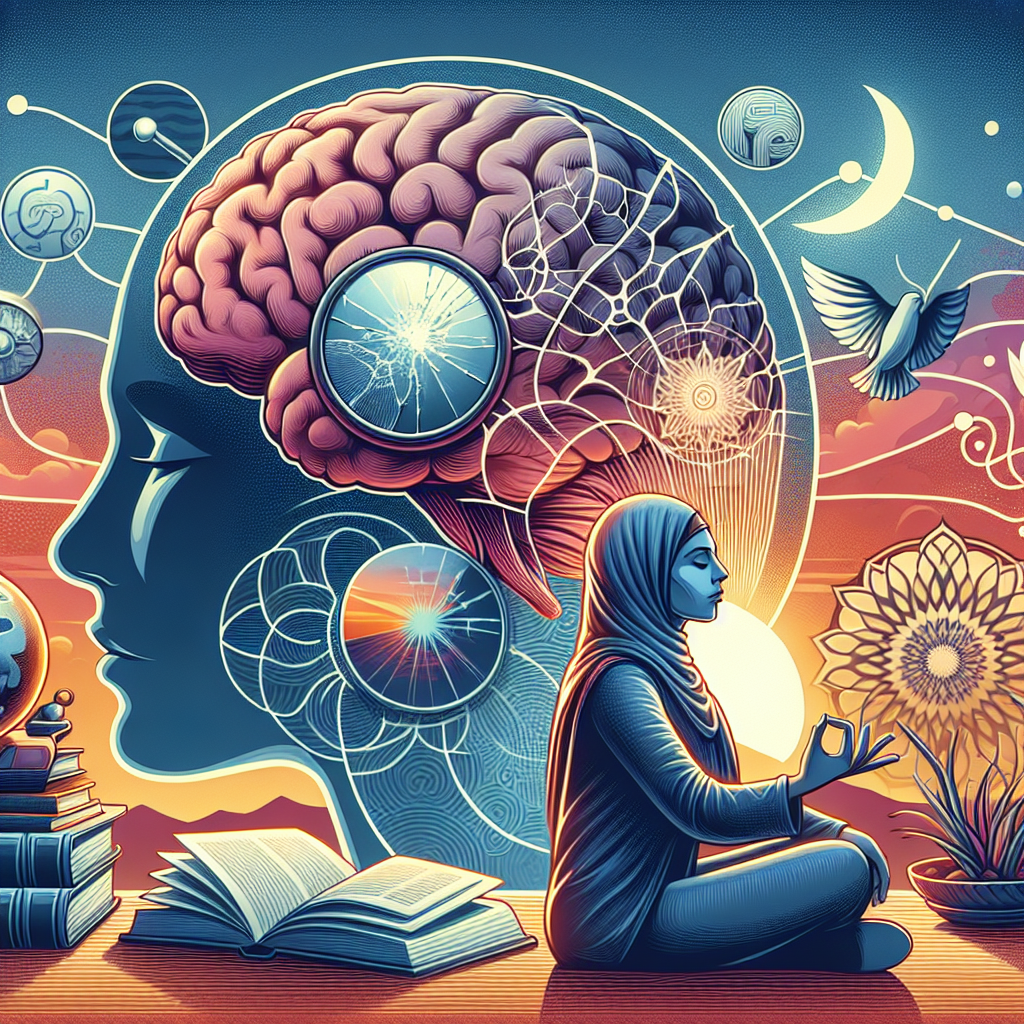
Dissociative Disorders: The Essential Overview of Causes, Symptoms, and Therapeutic Techniques
Introduction: Unmasking the Mind’s Mechanism
Imagine waking up one day, looking in the mirror, and not recognizing the person staring back at you. This unsettling scenario embodies the experiences of those with dissociative disorders. These conditions can lead individuals to feel disconnected from their thoughts, identity, or surroundings. In today’s fast-paced world, where mental health awareness is on the rise, understanding dissociative disorders is essential. This article offers an in-depth exploration of dissociative disorders while focusing on their causes, symptoms, and therapeutic techniques.
Understanding Dissociative Disorders
Dissociative disorders encompass a range of psychological conditions characterized by an involuntary escape from reality. These disorders can involve disruptions in memory, consciousness, identity, or perception. Understanding these nuances is crucial for both patients and practitioners.
The Types of Dissociative Disorders
Dissociative disorders are classified into several categories, each with its unique characteristics:
-
Dissociative Amnesia
- Characterized by an inability to recall important autobiographical information, usually associated with stressful or traumatic events.
- Case Study: John, a military veteran, returns from service with no memory of key life events, including his marriage. This amnesia serves as a defense mechanism against the trauma experienced during combat.
-
Dissociative Identity Disorder (DID)
- Previously known as Multiple Personality Disorder, this condition features the presence of two or more distinct identities or personality states.
- Case Study: Sarah, a survivor of childhood abuse, manifests several distinct personalities, each with its memories and behaviors. This fragmentation serves to protect her from the pain of her past.
- Depersonalization/Derealization Disorder
- Involves persistent feelings of detachment from one’s self (depersonalization) and/or the world (derealization).
- Case Study: Mark frequently experiences episodes where he feels like he is watching his life from a distance, believing his surroundings are unreal. This altered perception can be disconcerting.
| Type of Dissociative Disorder | Key Features |
|---|---|
| Dissociative Amnesia | Memory loss associated with trauma |
| Dissociative Identity Disorder (DID) | Multiple distinct identities |
| Depersonalization/Derealization | Feelings of unreality and detachment |
Causes of Dissociative Disorders
Understanding the causes of dissociative disorders is crucial for effective intervention. These conditions often stem from underlying trauma and stressors.
Psychological Trauma
- Childhood Abuse: Studies show a strong correlation between early trauma and the development of dissociative disorders. Long-term exposure to abuse creates a coping mechanism that leads individuals to detach from reality.
- Complex PTSD: Prolonged exposure to traumatic events, especially in childhood, can lead to complex PTSD, significantly heightening the risk of dissociation.
Genetics and Biological Factors
- Recent research indicates that a genetic predisposition may contribute to the likelihood of developing dissociative disorders. Certain individuals might be more vulnerable due to inherited traits impacting their brain’s response to trauma.
Environmental Influences
- A person’s environment and experiences can exacerbate or alleviate dissociative tendencies. For instance, a supportive therapy environment can provide a safe space for individuals to process their trauma, reducing dissociative symptoms over time.
Symptoms of Dissociative Disorders
The symptoms of dissociative disorders can vary widely depending on the individual and the specific disorder, but common signs include:
Memory Loss
Individuals may experience inconsistent or fragmented memories about themselves or events, which can significantly impact their daily lives.
Identity Disconnection
Especially prevalent in DID, individuals may feel as though they have multiple identities or feel disconnected from their sense of self.
Distorted Perception
Those with depersonalization or derealization may experience a distorted sense of reality, leading to feelings of disconnection from one’s body or surroundings.
Emotional Numbing
Many individuals report heightened emotional detachment, which can serve as a protective mechanism against overwhelming feelings.
| Common Symptoms | Description |
|---|---|
| Memory Loss | Inability to recall important information |
| Identity Confusion | Presence of multiple identities |
| Distorted Reality | Feeling disconnected or unreal |
| Emotional Numbing | Lack of emotional response |
Therapeutic Techniques
Dissociative disorders require careful and sensitive treatment approaches tailored to individual needs. Here are some therapeutic techniques that have proven effective:
Psychotherapy
- Cognitive Behavioral Therapy (CBT): CBT can help reshape distorted thinking patterns and foster better coping mechanisms.
- Trauma-Focused Therapies: Techniques such as EMDR (Eye Movement Desensitization and Reprocessing) are designed specifically to address trauma and its lingering effects.
Case Study: The Power of EMDR
Emily, a survivor of severe childhood trauma, underwent EMDR therapy. Over several sessions, she learned to process her traumatic experiences and integrate them into her identity, reducing her dissociative episodes.
Medication
While no specific medications treat dissociative disorders, antidepressants or anti-anxiety medications may be prescribed to manage associated symptoms like depression or anxiety.
Creative Therapies
- Art Therapy: Engaging in creative expression can help individuals articulate their feelings and experiences that are difficult to verbalize.
- Music Therapy: Listening to or creating music has therapeutic benefits and can foster emotional healing and reconnection.
| Therapeutic Techniques | Benefits |
|---|---|
| Psychotherapy (CBT, Trauma-focused) | Reshapes distorted thinking |
| EMDR | Processes trauma effectively |
| Medication | Manages associated symptoms |
| Creative Therapies | Facilitates emotional expression |
Conclusion: A Pathway to Healing
Dissociative disorders can profoundly impact individuals’ lives, creating a complex interplay of challenges and responses. By understanding the causes, symptoms, and therapeutic techniques, we can foster a compassionate and informed approach to treatment. If you or someone you know is experiencing symptoms of dissociative disorders, it’s essential to seek professional help. Recovery is possible with the right support, tools, and techniques.
Inspirational Takeaway
Healing is a journey, not a destination. Embrace the process and remember: it’s okay to seek help.
FAQs
1. What are the main causes of dissociative disorders?
Dissociative disorders often arise from traumatic experiences, particularly in childhood, as well as genetic and environmental factors.
2. How are dissociative disorders diagnosed?
Diagnosis typically involves a thorough clinical assessment, including patient history, symptom evaluation, and sometimes psychological testing.
3. Is dissociative disorder treatment effective?
Yes, most individuals show improvement through psychotherapy, trauma-focused therapies, and other supportive interventions.
4. Can dissociative disorders resolve on their own?
Some individuals may see a reduction in symptoms over time, but professional treatment is often essential for full recovery.
5. What should I do if I suspect someone has a dissociative disorder?
Encourage them to seek professional help and provide them with emotional support. Be patient and understanding as they navigate their journey.
This article serves as a comprehensive resource on Dissociative Disorders: An Overview of Causes, Symptoms, and Therapeutic Techniques, aimed at enriching readers’ understanding and fostering empathy towards those affected by these complex conditions.


The PsyForU Editorial Collective is the research and editorial team of PsyForU Research International. The collective prepares educational, psychological, mental-health-awareness, inclusion, neurodiversity, and research-methodology content for students, parents, educators, researchers, and general readers. PsyForU content is intended for awareness, education, and capacity-building and should not be treated as clinical diagnosis, therapy, medical advice, legal advice, or emergency mental-health support.