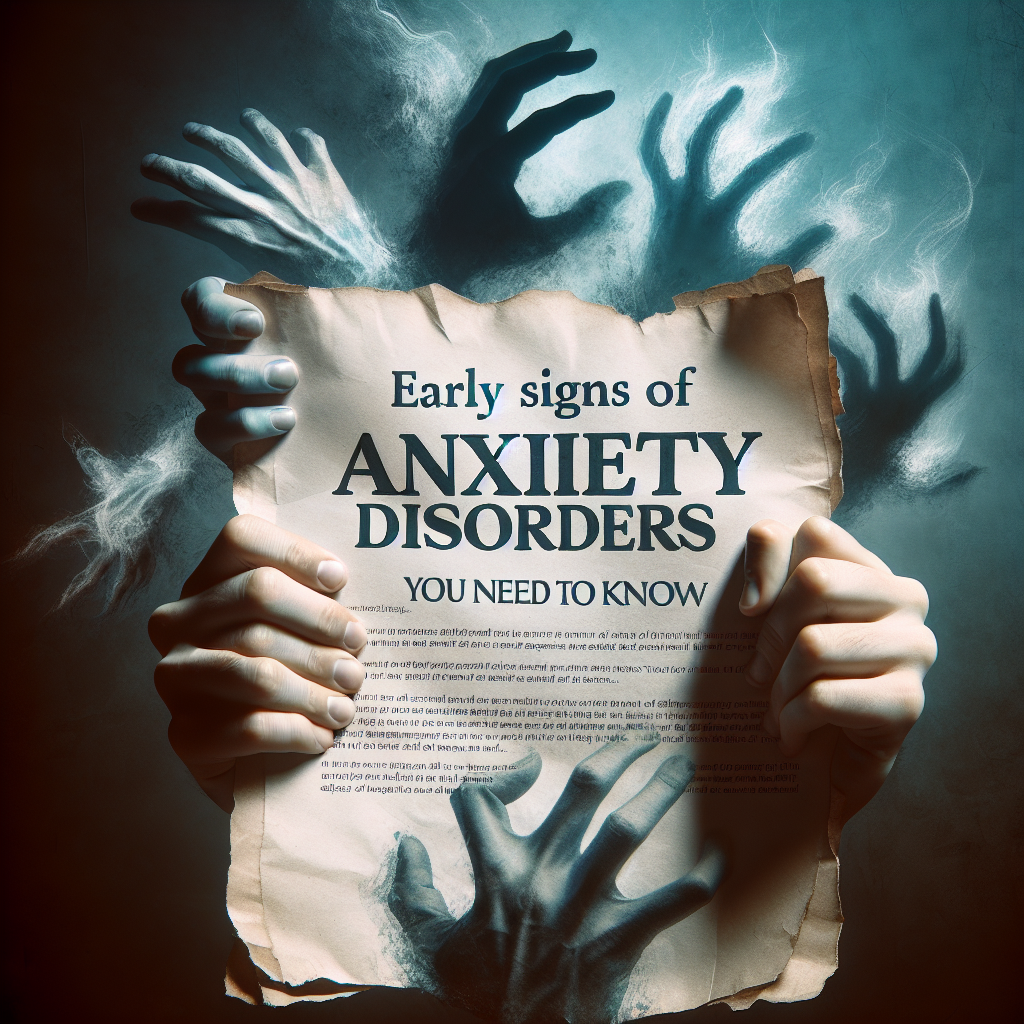
Don’t Dismiss These Signals: Early Signs of Anxiety Disorders You Need to Know
Introduction
Anxiety disorders are not just a fleeting feeling of stress or worry; they are complex and multi-faceted conditions that can profoundly affect one’s life. In today’s fast-paced world, it’s all too easy to overlook the subtle signals that our minds and bodies send us. Ignoring these early signs can set the stage for more severe issues down the line. So, let’s take a closer look: Don’t Dismiss These Signals: Early Signs of Anxiety Disorders You Need to Know. Understanding these signals is not only crucial for early intervention; it can also empower individuals to reclaim their lives from anxiety.
Understanding Anxiety Disorders
Before we dive into the early signs, it’s important to understand what anxiety disorders are. The National Institute of Mental Health notes that these disorders can manifest differently in individuals, often leading to various forms of distress, including panic attacks, obsessive-compulsive tendencies, and social anxiety. Each of these conditions has its unique symptoms, but early detection remains paramount regardless of the specific type of anxiety disorder.
Early Signals You Shouldn’t Ignore
1. Constant Worry
Worrying about various aspects of life is typical, but when worry becomes chronic and uncontrollable, it may signify an anxiety disorder. Individuals might find themselves worrying about work deadlines, social situations, or even trivial matters to an extent that it disrupts daily life.
Case Study: Martha, 34
Martha was a high-achieving professional, but she found herself lying awake at night, obsessing over upcoming meetings. Initially, she dismissed her turmoil as typical work-related stress. It wasn’t until she started experiencing physical symptoms like headaches and gastrointestinal issues that she sought help. The diagnosis? Generalized Anxiety Disorder (GAD).
2. Physical Symptoms
Physical symptoms are often the body’s responses to anxiety. Symptoms such as muscle tension, fatigue, headaches, and gastrointestinal issues may arise. Ignoring these physical signs can lead to chronic health issues, thereby complicating the individual’s predicament.
Case Study: Sam, 28
Sam began experiencing frequent stomach pains and fatigue, often brushing them off as signs of a hectic lifestyle. After consulting with a healthcare professional, it was revealed that his body was reacting to unmanaged anxiety. With guidance, he learned to recognize the link between his physical symptoms and the anxiety building within him.
| Symptoms of Anxiety | Associated Effects |
|---|---|
| Muscle Tension | Chronic pain, fatigue |
| Sleep Disturbances | Impaired daily functioning |
| Gastrointestinal Issues | Anxiety aggravates digestive health |
3. Avoidance Behavior
One of the critical signs of anxiety disorders is avoidance behavior. If you notice that you are avoiding social gatherings, important decisions, or even confronting stressful situations, it’s time to pay attention.
Case Study: Leo, 22
In college, Leo began skipping classes and social events, citing “exhaustion.” Little did he know, these avoidance behaviors stemmed from his anxiety about social interactions. Through therapy, he learned how facing his fears incrementally could help lessen his anxiety.
4. Changes in Mood
Mood swings can also indicate underlying anxiety. If you’re feeling irritable or on edge more often than not, this is a signal you shouldn’t ignore.
Case Study: Jenna, 29
Jenna noticed she was irritable with her loved ones, often snapping over minor issues. Initially, she thought it was just stress from work, but her therapist identified her mood changes as early signs of anxiety. Recognizing this allowed her to adopt mindfulness techniques that improved her emotional regulation.
5. Trouble Concentrating
Are you finding it hard to focus? The brain may struggle with concentration when anxiety is at play.
Case Study: Matt, 40
Matt, a project manager, found himself forgetting key details and making mistakes at work. He chalked it up to “just a busy week.” With a closer look, it became evident that his anxiety levels were adversely affecting his work performance. Addressing this issue early with therapy improved not only his concentration but also his overall sense of well-being.
Why You Shouldn’t Dismiss These Signals
Ignoring the early signs of anxiety can create a larger problem that impacts various aspects of your life, including relationships and professional opportunities. Early intervention can drastically change your trajectory.
Seeking Help: The Path Forward
When you identify early signs of anxiety, don’t hesitate to seek professional help. Counseling, lifestyle changes, and, when necessary, medication can lead to significant improvements. Remember, acknowledging these early signs is the first step to reclaiming your life.
Conclusion
In a world where anxiety is increasingly common, it’s essential to Don’t Dismiss These Signals: Early Signs of Anxiety Disorders You Need to Know. By understanding and recognizing these signals, individuals can take proactive steps toward a healthier, more fulfilling life. Whether it’s reaching out for help or employing self-care techniques, the key takeaway is empowerment through awareness.
FAQs
1. What are the early signs of anxiety disorders?
Common early signs include constant worry, physical symptoms like fatigue, avoidance of social situations, mood swings, and difficulty concentrating.
2. How can I address these early signs?
Consulting a healthcare professional, engaging in therapy, and practicing mindfulness can be effective ways to tackle early signs of anxiety.
3. Are physical symptoms really linked to anxiety?
Yes, physical symptoms like muscle tension and gastrointestinal issues are often responses to anxiety and shouldn’t be ignored.
4. How can I differentiate between normal stress and anxiety disorder?
If worry interferes significantly with your daily life or lasts for an extended period, it may be indicative of an anxiety disorder.
5. What’s the first step in seeking help?
The first step is acknowledging that there’s a problem. Then, consult with a healthcare professional to discuss your symptoms and explore treatment options.
By understanding, recognizing, and addressing these early signs of anxiety, you take the first step toward managing it effectively. Remember, the sooner you act, the sooner you can reclaim peace in your life. Don’t let anxiety dictate your journey; acknowledge the signals and empower yourself with knowledge and support.
About the Author