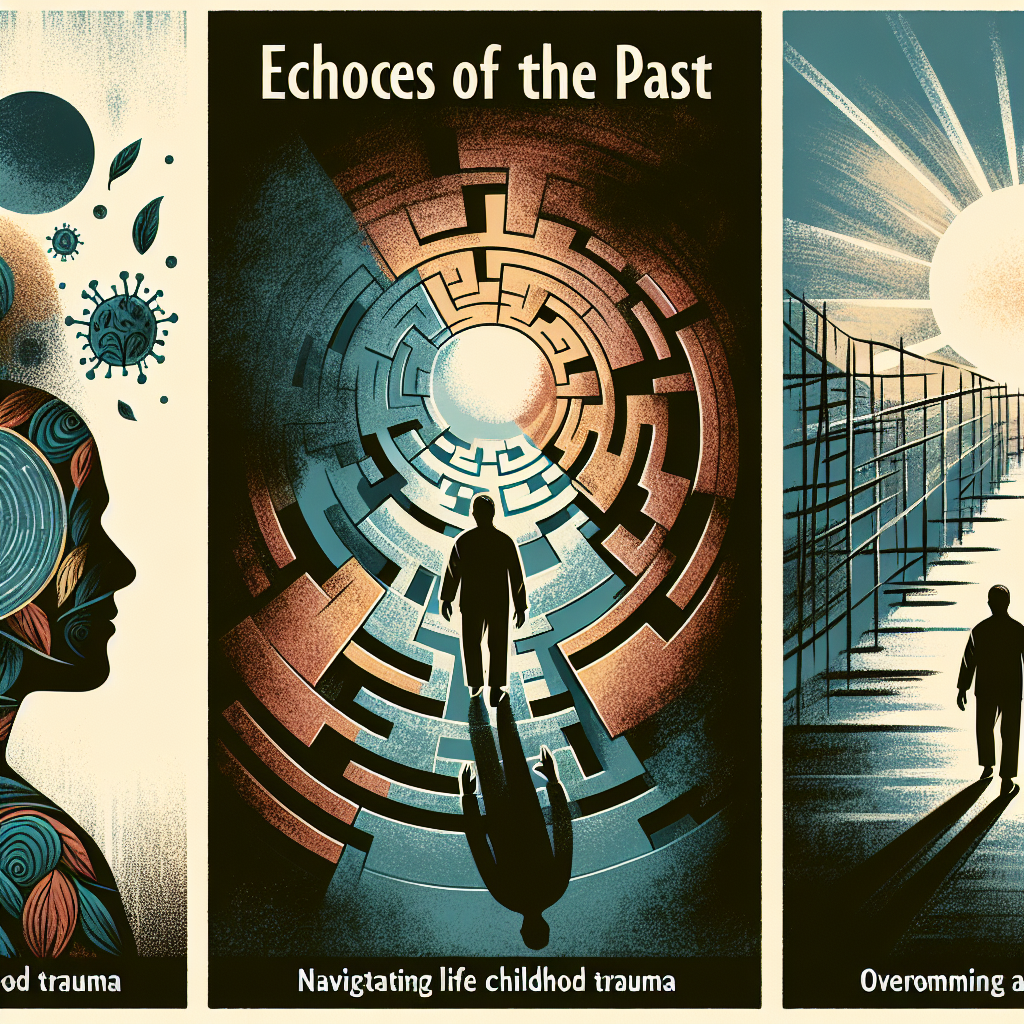
Echoes of the Past: Navigating Adult Life with Childhood Trauma for Ultimate Healing
Introduction
Imagine carrying a heavy backpack filled with rocks from your childhood as you traverse the landscape of adult life. Each rock represents a memory—some sharp and jagged, others smooth yet heavy with emotional weight. For many adults, these "echoes of the past" continue to reverberate through their daily lives, influencing their relationships, decisions, and self-perception. The journey of navigating adult life with childhood trauma is complex and challenging, but understanding this phenomenon can lead to empowerment and healing.
In this article, we will explore the intricate relationship between childhood trauma and adult life, uncover the ways these echoes manifest, and provide strategies to navigate through this often uncharted territory. By the end of our journey, you’ll have not just insights but actionable steps for your own healing process.
Understanding Childhood Trauma
What Constitutes Childhood Trauma?
Childhood trauma can come from various sources—abuse, neglect, loss, or witnessing violence. The experienced trauma reshapes a child’s understanding of the world, laying the groundwork for how they perceive relationships, safety, and self-worth.
Types of Childhood Trauma:
- Emotional Abuse: Persistent criticism or rejection can lead to deep-seated feelings of unworthiness.
- Physical Abuse: Physical harm can result in heightened anxiety and fear-based responses.
- Sexual Abuse: Often leads to long-term consequences like trust issues and intimacy hurdles.
- Neglect: A lack of emotional or physical care can leave individuals feeling abandoned and alone.
The Science of Trauma Response
From a psychological perspective, trauma triggers a fight-or-flight response. The brain’s amygdala, responsible for processing emotions and memories, becomes hyperactive, making it challenging to respond to stressors in adulthood effectively.
| Trauma Type | Common Adult Symptoms |
|---|---|
| Emotional Abuse | Low self-esteem, anxiety, emotional instability |
| Physical Abuse | Hyper-vigilance, aggression, trust issues |
| Sexual Abuse | PTSD, relationship difficulties, depression |
| Neglect | Difficulty in forming attachments, social withdrawal |
Case Study: Sarah’s Journey
Sarah, a 30-year-old professional, experienced emotional abuse as a child, leading to chronic anxiety and problems in her relationships. Through therapy, Sarah learned about her trauma’s origins and slowly began to understand how the echoes affected her adult life. Her journey illustrates how understanding trauma is the first step toward healing.
The Echoes of Childhood Trauma in Adult Life
Manifestations of Trauma
The frightened child often re-emerges in adulthood, manifesting as anxiety, low self-esteem, or difficulty in forming relationships. Understanding these echoes is critical for effective healing.
Common Echoes:
- Trust Issues: Difficulty trusting others can lead to isolation.
- Fear of Abandonment: Often results in clinginess or avoidance of relationships.
- Perfectionism: Arises from a desire to avoid criticism or failure.
Impact on Relationships
Childhood trauma can create barriers to forming healthy relationships. Adults may struggle with vulnerability or may gravitate towards toxic dynamics due to familiarity.
Case Study: Tom’s Toxic Cycle
Tom, another individual affected by childhood trauma, often found himself in abusive relationships. Through therapy, he started to recognize patterns stemming from his childhood. This insight allowed him to break the cycle and seek healthier connections.
Strategies for Navigating Adult Life with Childhood Trauma
1. Seeking Professional Help
Therapists can provide tools for managing trauma’s effects, whether through Cognitive Behavioral Therapy (CBT), Eye Movement Desensitization and Reprocessing (EMDR), or somatic therapies.
2. Building a Support Network
Surrounding oneself with understanding friends, family, and support groups can create an environment where healing is possible.
3. Journaling
Writing down experiences can be therapeutic, offering a safe outlet to explore feelings and thoughts.
4. Mindfulness and Meditation
Practices that promote mindfulness can help manage anxiety and encourage living in the moment, rather than being hijacked by past traumas.
| Strategy | Benefits |
|---|---|
| Seeking Professional Help | Expert guidance, coping strategies |
| Building a Support Network | Emotional support, shared experiences |
| Journaling | Emotional release, enhanced self-awareness |
| Mindfulness and Meditation | Reduced anxiety, improved emotional regulation |
Case Study: Lisa’s Transformation
Lisa utilized mindfulness practices to heal from her childhood trauma. Over time, she noticed a significant reduction in anxiety, giving her newfound control over her reactions and choices.
Conclusion: Embracing the Journey
Navigating adult life with childhood trauma can feel like an uphill battle, but it is important to remember that it is a journey filled with opportunities for growth and healing. By acknowledging the echoes of the past, actively seeking help, and employing effective coping strategies, individuals can reclaim their narrative and create a fulfilling adult life.
Actionable Insights
- Start Therapy: Even a single session can provide clarity.
- Find a Support Group: Connection can alleviate feelings of isolation.
- Practice Mindfulness: Incorporate small daily practices that promote awareness and calming.
FAQs
1. What is childhood trauma?
Childhood trauma refers to experiences of abuse, neglect, or significant distress during formative years that can affect mental and emotional well-being into adulthood.
2. How can I identify if I have unresolved childhood trauma?
Look for patterns in your relationships or recurrent feelings of anxiety, low self-worth, or trust issues. Professional assessment can provide further insight.
3. Is therapy necessary for healing from childhood trauma?
While therapy is highly beneficial, individual choice matters. Self-help strategies can aid recovery, but professional guidance offers valuable tools.
4. Can mindfulness really help with trauma?
Yes! Mindfulness promotes emotional regulation and helps individuals stay grounded in the present, reducing the grip of past experiences.
5. How can I support someone with childhood trauma?
Listen without judgment, encourage them to seek professional help, and offer your understanding and support.
By embracing the echoes of the past, we can truly navigate the complexities of adult life with resilience and hope. Remember, healing is a journey, not a destination—each step forward is significant.
About the Author