


Introduction
In today’s fast-paced world, where screens dominate our daily lives, the allure of nature often goes unnoticed. Yet, an increasing body of research highlights a vital connection: spending time outdoors is essential not just for our physical health but also for our mental well-being. Welcome to Eco-Therapy: The Psychological Benefits of Nature Exposure—an emerging field that emphasizes the transformative power of nature in healing and mental health.
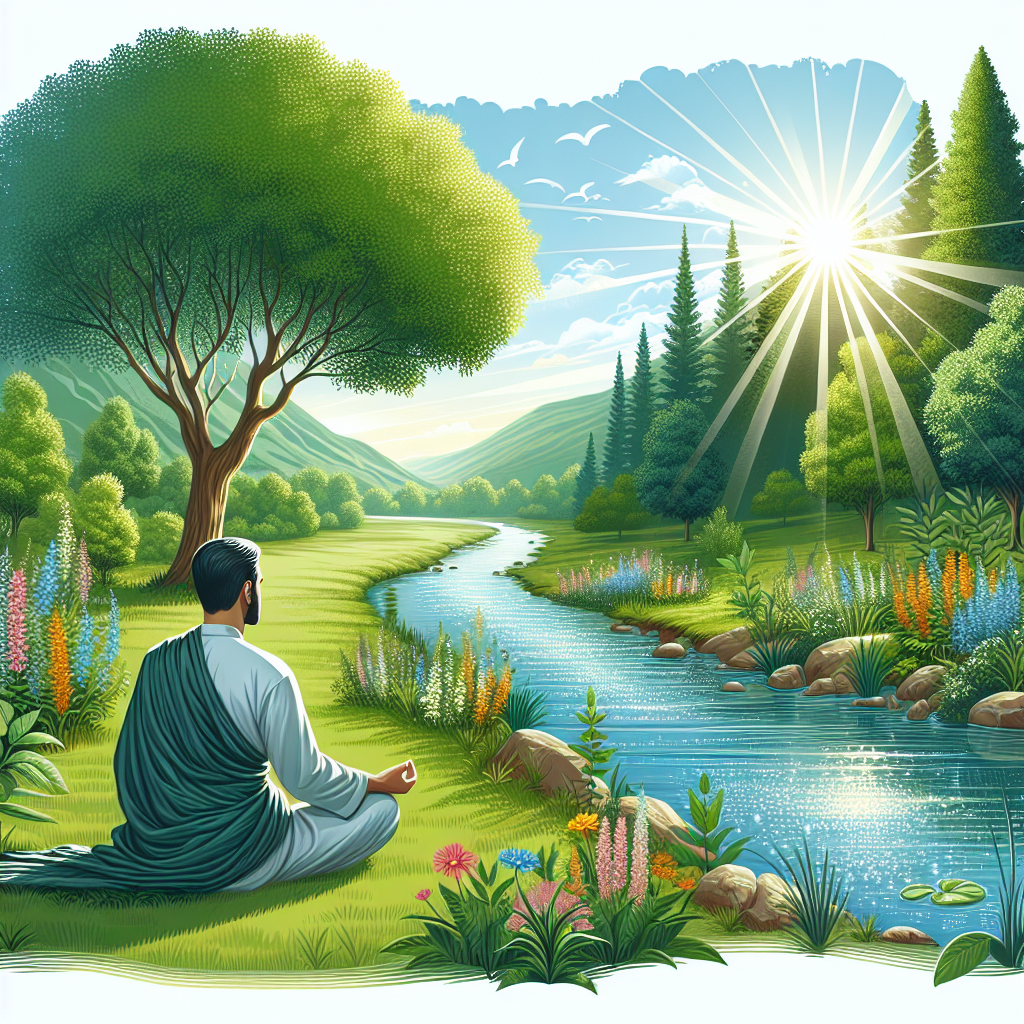
Imagine finding peace amidst towering trees, rejuvenation by a calming stream, or simply breathing in the fresh air of a vibrant meadow. This article explores how integrating nature into our lives can unlock untold psychological benefits. From practical applications to the profound impact of immersion in natural settings, the insights herein will guide you on a path toward enhanced mental health through eco-therapy.
Understanding Eco-Therapy
What is Eco-Therapy?
Eco-therapy, also known as nature therapy, promotes healing and improvement of mental health through deliberate contact with the natural world. It blends elements of psychology, ecology, and holistic healing, presenting nature as a therapeutic partner in overcoming challenges such as anxiety, depression, and stress.
The Science Behind Nature and Mental Health
Research indicates that exposure to nature can reduce stress hormone levels, enhance mood, and improve overall well-being. Studies show that even brief interactions with natural environments lead to significant improvements in mood and psychological resilience. The Eco-Therapy: The Psychological Benefits of Nature Exposure paradigm couches these scientific findings in a supportive narrative of our intrinsic connection to the Earth.
The Psychological Benefits of Nature Exposure
Stress Reduction
Nature serves as a natural antidote to stress. A 2015 study published in the Journal of Environmental Psychology indicates that participants who walked in green spaces reported lower levels of anxiety and emotional distress than those who walked in urban environments.
Table 1: Comparative Stress Levels in Different Environments
| Environment | Stress Levels (Before) | Stress Levels (After) |
|---|---|---|
| Urban | 75 | 60 |
| Nature (Park) | 70 | 40 |
| Nature (Forest) | 72 | 35 |
Analysis: Participants in nature experienced a notable decline in stress, emphasizing the importance of green spaces for mental health.
Improved Mood and Emotional Well-Being
Numerous studies reveal that spending time in nature leads to increased levels of dopamine, the “feel-good” neurotransmitter. A notable case study by researchers at the University of Essex found that volunteers who walked in natural environments reported a 71% increase in self-esteem, reinforcing the essential role of nature in emotional health.
Enhanced Cognitive Function
Exposure to natural settings can also boost cognitive abilities. A study from the University of Michigan revealed that individuals who engaged in nature walks showed a 20% improvement in working memory capacity compared to those engaged in urban settings. This is attributed to nature’s ability to restore attention and reduce mental fatigue.
Connection and Community Building
Eco-therapy isn’t just an individual pursuit; it encourages community bonding. Shared experiences in nature—whether through group hikes, community gardens, or eco-conscious workshops—foster connections that enhance emotional and social well-being.
Real-World Applications of Eco-Therapy
Case Study: The Nature-Based Therapy Group
One powerful example of eco-therapy in action occurred in a nature-based therapy program aimed at at-risk teens. Facilitated in a local forest, the program included outdoor skills training and mindfulness exercises.
Results: Over 12 weeks, participants showed a significant reduction in behavioral issues, increased self-esteem, and improved social skills, showcasing how nature can serve as a powerful therapeutic ally.
Call to Action: Integrating Eco-Therapy into Daily Life
Now that we’ve explored the benefits of eco-therapy, here’s how you can incorporate it into your everyday routine:
- Nature Walks: Prioritize regular walks in green spaces.
- Community Gardening: Engage with local gardens to foster both community and connection to nature.
- Mindfulness in Nature: Practice mindfulness exercises outdoors, calming the mind while grounding yourself in the present moment.
- Limit Screen Time: Set boundaries for your screen time to encourage more nature exposure.
Barriers to Nature Exposure
Despite the benefits, many individuals face barriers that prevent them from engaging with nature.
Urbanization and Accessibility
Urban areas often lack accessible green spaces, making it difficult for residents to connect with nature. Developers and city planners can combat this by creating parks and recreational areas that promote eco-therapy.
Seasonal Limitations
Weather and seasons can restrict outdoor activities. However, various methods exist to engage with nature indoors, like bringing houseplants into living spaces or attending indoor botanical gardens.
Inspiring Case Studies
Case Study: Wildflower School
The Wildflower School in Oregon incorporates nature-based learning in the curriculum for children. By prioritizing outdoor education and eco-therapy methods, students displayed remarkable improvements in focus and emotional regulation.
Analysis: This case highlights the profound impact of nature on developing minds, providing an essential framework for future educational methodologies.
Case Study: The Forest School Movement
Spending extended periods in forests has shown to increase resilience and leadership skills among children. The Forest School movement emphasizes unstructured play in natural settings, permitting children to grow emotionally and socially.
Conclusion
In our modern era, the psychological benefits of engaging with nature cannot be overlooked. Eco-therapy provides a pathway for improved mental health by harnessing nature’s therapeutic potential. From reducing stress to enhancing cognitive function, the positive effects of nature exposure are profound.
By prioritizing our connection to the natural world, each of us can unlock the transformative power of eco-therapy, leading to more fulfilling lives rooted in well-being.
Actionable Insights
- Start Small: If you live in an urban area, seek out local parks or gardens.
- Schedule Regular Nature Time: Make it a priority to spend intentional time outdoors each week.
- Join Community Initiatives: Find local organizations focusing on eco-therapy or nature exposure.
FAQs
1. What is eco-therapy?
Eco-therapy refers to a therapeutic practice that utilizes nature-based experiences to enhance mental health and emotional well-being.
2. How does nature exposure improve mental health?
Nature exposure can reduce stress, enhance mood, improve cognitive functions, and foster social connections, all contributing to improved mental well-being.
3. Can eco-therapy be practiced indoors?
Yes, practices like keeping house plants, visiting indoor botanical gardens, or utilizing nature sounds can facilitate eco-therapy indoors.
4. How often should I spend time in nature to feel the benefits?
The benefits can be felt from regular exposure; even a stroll in a local park once a week can have notable effects.
5. What if I live in a city with limited nature access?
Consider joining community gardening projects, urban nature initiatives, or group hikes to foster community while accessing nature.
Embrace the healing power of the Earth, and cultivate a habit of connecting with nature for enhanced mental wellness. Remember, Eco-Therapy: The Psychological Benefits of Nature Exposure isn’t just a concept—it’s a pathway to a more fulfilling life.


The PsyForU Editorial Collective is the research and editorial team of PsyForU Research International. The collective prepares educational, psychological, mental-health-awareness, inclusion, neurodiversity, and research-methodology content for students, parents, educators, researchers, and general readers. PsyForU content is intended for awareness, education, and capacity-building and should not be treated as clinical diagnosis, therapy, medical advice, legal advice, or emergency mental-health support.