


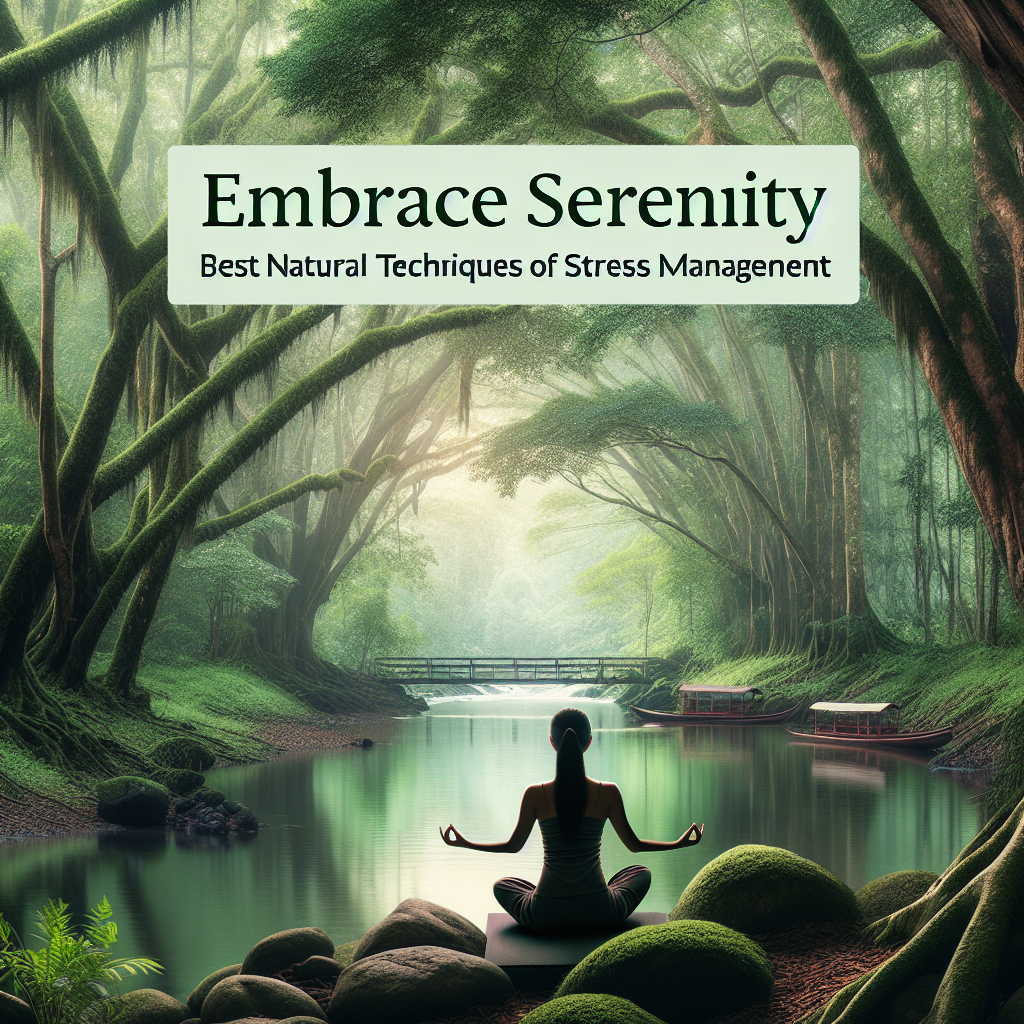
Embrace Serenity: Ultimate Natural Techniques for Stress Management
Introduction
In today’s fast-paced world filled with deadlines, obligations, and endless notifications, stress has almost become a fixture of daily life. But what if I told you that effectively managing stress doesn’t require a prescription or expensive therapy sessions? Embrace Serenity: Best Natural Techniques for Stress Management provides you with powerful, natural strategies to cultivate peace and manage anxiety.
Imagine waking up refreshed, not dreading your to-do list and navigating challenges with grace and composure. This article explores effective natural techniques that can help you achieve just that. Join us on this transformative journey toward a more serene existence.
Understanding Stress and Its Effects
Before diving deep into stress management techniques, it’s essential to understand what stress is and how it impacts our physical and mental well-being. Stress is the body’s natural reaction to perceived threats or demands, evoking a complex response involving hormones, emotions, and physical reactions.
The Science Behind Stress
Stress triggers the "fight-or-flight" response, releasing adrenaline and cortisol, which can lead to various physical conditions when elevated for prolonged periods. Studies show that chronic stress can contribute to:
- Anxiety and Depression
- Heart Disease
- Digestive Issues
- Sleep Disorders
Recognizing these effects is the first step toward embracing a more serene life.
The Journey to Serenity: Natural Techniques for Stress Management
1. Mindfulness Meditation: Cultivating Present Awareness
Mindfulness meditation is a powerful, evidence-backed technique that encourages individuals to focus on the present moment, enhancing emotional regulation and reducing stress.
Case Study: A Corporate Executive’s Transformation
Consider Sarah, a corporate executive who struggled with anxiety due to her high-pressure job. After starting a daily mindfulness practice, she reported a 50% decrease in stress levels. Mindfulness allowed her to detach from her daily pressures, leading to improved focus and productivity during work hours.
Key Techniques:
- Breath Awareness: Focus on your breathing for a few minutes, letting thoughts come and go.
- Body Scan: Mentally check in with your body, noticing areas of tension.
2. Nature Therapy: Reconnecting with the Outdoors
Nature offers a rejuvenating escape from urban stress. Studies indicate that spending time in green spaces significantly lowers cortisol levels.
Case Study: Urban Dwellers Experience
A group of city dwellers participated in weekly nature walks over three months. They showcased a substantial reduction in anxiety scores, emphasizing the importance of natural surroundings. The participants noted increased happiness and tranquility as they spent time outdoors.
Implementation Tips:
- Take a stroll in a park or garden.
- Plan hiking trips to immerse yourself in nature.
3. Yoga and Movement: The Mind-Body Connection
Yoga combines physical postures, breathing techniques, and meditation, making it an effective practice for stress management.
Case Study: High School Teacher’s Recovery Journey
John, a high school teacher, turned to yoga when he felt overwhelmed by his responsibilities. With a consistent practice, he reported not only reduced stress but also an increase in classroom effectiveness.
Yoga Styles to Explore:
- Hatha Yoga: Gentle and slow-paced, perfect for beginners.
- Vinyasa: Incorporates more movement and flow, great for both body and mind engagement.
4. Aromatherapy: The Power of Scents
Essential oils from plants can trigger emotional responses through scent, promoting relaxation and stress relief.
Case Study: Workplace Aroma Diffusion
A tech company introduced essential oil diffusers throughout their office. Employees reported increased feelings of calm and decreased symptoms of burnout. The company noted higher overall productivity and employee satisfaction.
Essential Oils to Try:
- Lavender: Known for its calming properties.
- Peppermint: Invigorating yet soothing.
5. Nutrition: Eating for Mental Clarity
What you eat drastically impacts your mental health. A balanced diet rich in nutrients can alleviate stress.
Recommended Foods:
- Omega-3 Fatty Acids: Found in fish, walnuts, and flaxseeds; these are known to help regulate mood.
- Antioxidant-Rich Foods: Berries and dark chocolate can combat stress and improve your cognitive function.
The Role of Social Connections
Healthy relationships are key to managing stress. Research indicates that people with strong social support networks tend to cope better in stressful situations.
Case Study: Community Support Group
A local community launched a weekly support group for individuals dealing with stress. Participants shared experiences, and within months, many reported feeling less isolated and more empowered.
Tips to Build Connections:
- Join local clubs or groups aligned with your interests.
- Attend social gatherings designed for community building.
Creating Your Personalized Stress Management Toolkit
Developing a Routine
Creating a consistent routine incorporating various techniques can help you stay grounded. Consider this table for your personalized toolkit:
| Technique | Frequency Recommendation |
|---|---|
| Mindfulness Meditation | Daily (10-20 mins) |
| Nature Therapy | Weekly (1-2 hours) |
| Yoga | 2-3 times a week |
| Aromatherapy | As needed (daily/weekly) |
| Nutritional Focus | Daily meals |
Predicting Moments of Stress
Identifying your stress triggers allows for proactive management. Journaling your emotions can help chart your stress levels and recognize patterns.
Conclusion
Embrace Serenity: Best Natural Techniques for Stress Management is not merely a phrase; it’s a lifestyle choice. Incorporating mindfulness, nature therapy, yoga, aromatherapy, nutrition, and social connections will empower you to tackle life’s challenges with grace and composure.
Remember, the journey to serenity doesn’t happen overnight; it requires practice and commitment. Make small adjustments in your daily life and watch as your stress levels decrease and your overall health improves.
Final Inspirational Takeaway
You have the power to transform your life. Start one step at a time on your path to serenity and make each moment an opportunity to embrace tranquility.
FAQs
1. What are some quick stress relief techniques?
A: Quick techniques like deep breathing, stretching, or a short walk can help alleviate immediate stress.
2. How can I incorporate mindfulness into my busy life?
A: Start with a few minutes each day, perhaps while commuting or during breaks. Gradually increase the time as you become more comfortable.
3. Is yoga suitable for beginners?
A: Yes! Many classes cater to beginners, focusing on gentle postures and breathwork.
4. How often should I practice stress management techniques?
A: Consistency is key! Aim to integrate practices into your daily routine to be more effective.
5. Can I use multiple techniques at once?
A: Absolutely! Feel free to combine various techniques to see what resonates best with you.
By embracing these natural techniques, you’re not just managing stress; you’re enhancing your quality of life. Start today and make serenity your default state!

