


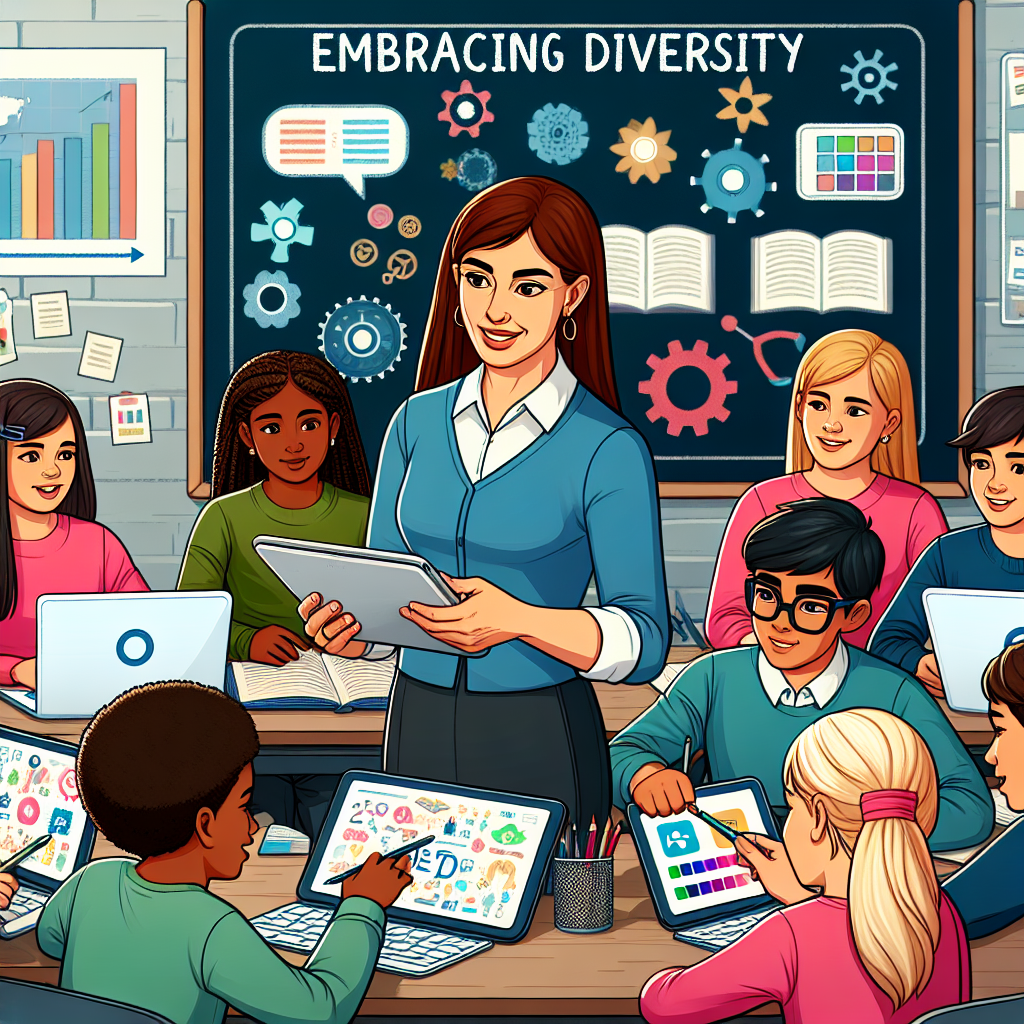
Embracing Diversity: Creating an Adaptive Learning Culture in Schools for Ultimate Success
Introduction
Embracing diversity is no longer a choice; it’s a necessity in today’s increasingly interconnected world. As schools serve as microcosms of society, it is imperative that they adopt an adaptive learning culture that recognizes and celebrates the rich tapestry of backgrounds, perspectives, and abilities among students. This article delves into how schools can embrace diversity and foster an adaptive learning environment, ultimately paving the way for academic success and holistic development.
Understanding Diversity in Education
Diversity in education encompasses a range of differences including race, ethnicity, gender, language, socioeconomic status, and learning abilities. However, embracing diversity extends beyond mere acknowledgment; it involves proactive engagement, tailored teaching methods, and a commitment to inclusivity.
The Importance of Creating an Adaptive Learning Culture
Creating an adaptive learning culture within schools focuses on personalizing the educational experience to meet the needs of all students. This type of culture promotes engagement, builds resilience, and fosters a sense of belonging among students. Let’s explore some of the core components that contribute to a successful adaptive learning environment.
1. Recognizing and Valuing Individual Strengths
1.1 The Role of Strengths-Based Approaches
Adopting a strengths-based approach means recognizing and valuing the unique skills and talents that each student brings to the classroom. By shifting the focus from deficiencies to strengths, educators can foster a positive atmosphere conducive to learning.
Case Study: Oakridge Academy
Oakridge Academy implemented a strengths-based curriculum that emphasized individual talents among students. Teachers were trained to identify students’ strengths and incorporate them into lesson plans, resulting in improved student engagement and a more positive classroom environment.
Analysis: This model shows how embracing individual strengths can lead to enhanced learning outcomes.
1.2 Tailored Instructional Strategies
Every student learns differently. An adaptive learning culture utilizes varied instructional strategies to cater to these differences. Techniques such as differentiated instruction and project-based learning can empower students to learn in ways that resonate with them.
2. Building a Culture of Inclusivity
2.1 Cultural Competency Training for Educators
Educators must engage in cultural competency training to understand their students better. This type of training equips teachers with the necessary skills to empathize with, communicate with, and support diverse learners effectively.
Chart 1: Benefits of Cultural Competency Training in Schools
| Benefit | Description |
|---|---|
| Improved Relationships | Enhanced communication and understanding of cultural differences. |
| Higher Student Achievement | Increased engagement and lowered dropout rates. |
| Inclusive Curriculum Development | Creation of a curriculum that reflects diverse perspectives. |
2.2 Family and Community Engagement
Involvement from families and the community can significantly enrich the school environment. Schools should foster partnerships with families from diverse backgrounds to create a unified approach to student learning.
Case Study: The Bright Futures Program
The Bright Futures Program, a collaboration between local schools and community organizations, aimed to increase parental involvement. By hosting multicultural events and workshops, they successfully included families from all backgrounds, resulting in improved student academic performance and well-being.
Analysis: This case study emphasizes the importance of community engagement in embracing diversity.
3. Curriculum Development for a Diverse Student Body
3.1 Inclusive Curriculum Design
An inclusive curriculum incorporates diverse perspectives and stories, allowing students to see themselves represented in the educational material. This inclusivity not only builds pride but also fosters understanding and respect among peers.
3.2 Case Studies of Inclusive Curriculum
Example 1: The Multicultural Literature Initiative
The Multicultural Literature Initiative allowed students to explore literature from various cultures, resulting in increased empathy and critical thinking skills among students. The initiative was praised for its adaptability and engagement levels.
Analysis: Illustrates the power of diverse literature in enhancing students’ understanding of the world.
Example 2: Science for Everyone
At Maple Leaf High School, the Science for Everyone program engaged students in hands-on science experiments rooted in their cultural heritages. By allowing students to study the contributions of various cultures to science, the school effectively engaged all learners.
Analysis: Showcases how culturally relevant content can enhance interest in subjects traditionally seen as challenging.
4. Leveraging Technology for Personalized Learning
4.1 The Role of EdTech
Technology can serve as a powerful tool in creating an adaptive learning culture. Digital platforms and tools can facilitate personalized learning plans, offering students varied pathways to mastering concepts based on their unique needs and strengths.
4.2 Interactive Learning Environments
Interactive platforms such as educational games, simulations, and virtual reality experiences can engage diverse learners. These technologies cater to different learning styles and allow for self-paced learning.
Case Study: Tech-Savvy Schools
Tech-Savvy Schools put forth a blended learning model integrating technology to personalize learning experiences. Students reported higher satisfaction levels and increased engagement through interactive learning tools.
Analysis: This is a testament to the effectiveness of implementational EdTech in fostering an adaptive learning environment.
5. Evaluating and Assessing Student Growth
5.1 Beyond Standardized Testing
Evaluating student growth goes beyond standardized tests. Schools must implement a variety of assessment strategies that reflect students’ individual learning journeys.
5.2 Authentic Assessments
Authentic assessments, such as portfolios, presentations, and group projects, can provide deeper insights into students’ understanding and abilities.
Chart 2: Types of Assessments to Foster Adaptive Learning
| Assessment Type | Description |
|---|---|
| Portfolios | Provides a collection of student work over time, showcasing growth. |
| Project-Based Learning | Engages students in real-world challenges. |
| Peer Reviews | Encourages collaboration and critical thinking. |
Conclusion
Embracing diversity and creating an adaptive learning culture in schools is essential in today’s educational landscape. By recognizing individual strengths, fostering inclusivity, developing an engaging curriculum, leveraging technology, and adopting diverse assessments, schools can cultivate an environment where every student thrives.
Inspirational Takeaway
Let us commit to embracing diversity in our educational pursuits—because when all voices are heard and valued, we not only enrich the learning experience but also prepare our students for a world that celebrates differences.
FAQs
1. Why is embracing diversity important in schools?
Embracing diversity prepares students for a multicultural society, enhances critical thinking, and fosters collaboration among peers from different backgrounds.
2. What are some strategies for promoting inclusivity in the classroom?
Strategies include cultural competency training, collaborative projects, diversified curricula, and various assessment models that allow for multiple forms of expression.
3. How can technology aid in creating an adaptive learning culture?
Technology can provide personalized learning experiences and access to diverse resources, facilitating engagement and offering flexible learning paths.
4. What role do families play in fostering diversity in schools?
Families can provide insights into their cultural backgrounds, support curriculum development, and collaborate on school initiatives that promote inclusivity.
5. How can teachers assess diverse learners effectively?
Employing multiple assessment types—like portfolios, presentations, and performance tasks—can provide a well-rounded view of each student’s abilities, accommodating various strengths.
6. What are the benefits of an adaptive learning culture?
Benefits include improved student engagement, enhanced academic performance, greater student retention, and the development of essential life skills such as empathy and teamwork.
In sum, the journey toward embracing diversity and creating an adaptive learning culture is one filled with opportunities for growth, understanding, and success for every student. Together, let’s champion this vision in our schools!

