


Introduction
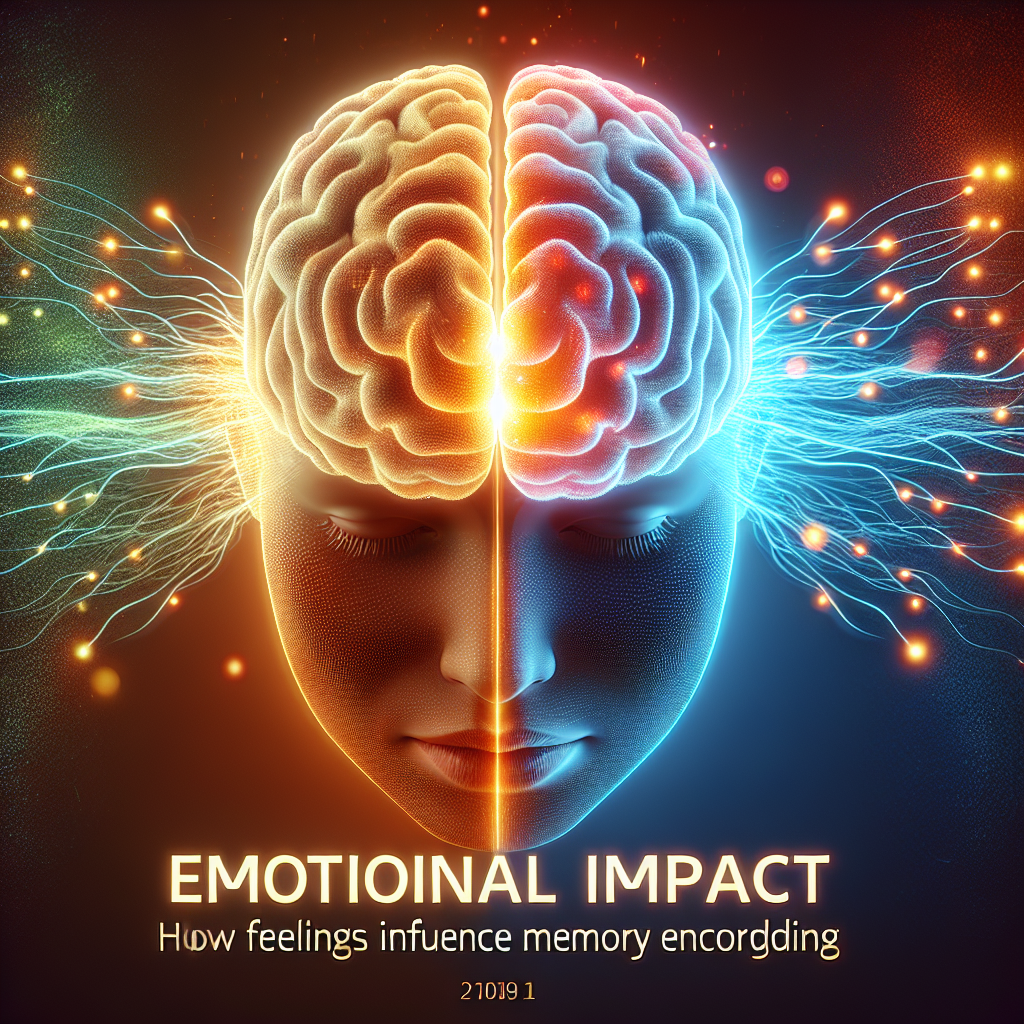
Have you ever walked into a familiar place and been instantly transported back to a specific moment in time? Perhaps a childhood home, a favorite café, or even a nostalgic song igniting memories of a past relationship? Our feelings have a profound ability to shape our memories, enhancing or inhibiting how we encode the details of our experiences. This phenomenon, often described as the Emotional Impact: How Feelings Influence Memory Encoding, plays a crucial role in learning, decision-making, and even our overall mental health. Understanding this relationship not only enriches our comprehension of human behavior but also offers practical insights into improving our emotional well-being and memory retention.
The Science Behind Emotion and Memory
The Brain-Emotion Connection
The amygdala and hippocampus are the powerhouses behind how we encode memories. The amygdala processes emotions, while the hippocampus plays a critical role in forming new memories. When we experience strong emotions—whether they are positive or negative—our amygdala activates, thereby enhancing the memory encoding process in the hippocampus. This connection is crucial for understanding the emotional impact on our memory systems.
The Role of Neurotransmitters
Neurotransmitters, such as dopamine and norepinephrine, significantly influence how memories are formed. Dopamine, often associated with pleasure and reward, strengthens memory encoding during positive emotional experiences. Conversely, norepinephrine, linked to stress and anxiety, can enhance the recall of stressful memories, making them more vivid.
Emotional Arousal and Memory Recall
Research has shown that emotional arousal increases memory retention. A groundbreaking study by Cahill & McGaugh (1998) demonstrated that emotionally charged stories led to better recall compared to neutral ones. This implies that our brain prioritizes memories of events that elicit strong emotional responses, making them easier to access later.
Real-World Applications of Emotional Memory
Case Study: PTSD and Memory Encoding
A particularly poignant example of the emotional impact on memory encoding is found in individuals with Post-Traumatic Stress Disorder (PTSD). Traumatic experiences can lead to heightened emotional responses, making these memories persistently vivid and intrusive. Treatment approaches like Eye Movement Desensitization and Reprocessing (EMDR) aim to help patients alter the emotional charge of these memories, demonstrating how key insights into emotional memory can lead to effective therapies.
Analysis
This case illustrates how our understanding of the Emotional Impact: How Feelings Influence Memory Encoding can influence both therapeutic practices and individual recovery journeys.
Case Study: Marketing and Consumer Behavior
In the realm of marketing, emotional connections can significantly enhance brand recall. Winston and Burch (2020) found that advertisements invoking strong emotional responses—whether joy, nostalgia, or even sadness—resulted in consumers recalling brand names far better than those stimulated by neutral content. This phenomenon highlights the powerful role of feelings in memory encoding and how businesses can leverage this knowledge for effective communication strategies.
Analysis
These findings shed light on how marketers can harness emotional triggers to create memorable brand experiences, thus improving sales and client loyalty.
Tables and Charts: Understanding Memory Encoding Through Emotions
Table 1: Types of Emotions and Their Impact on Memory Encoding
| Emotion Type | Impact on Memory Encoding | Example |
|---|---|---|
| Positive | Enhances retention | Childhood memories |
| Negative | Increases vividness | Traumatic events |
| Neutral | Minimal impact | Everyday routines |
Chart 1: Emotional Arousal vs. Memory Retention
| plaintext Emotional Arousal Level |
Memory Retention Rate |
|---|---|
| Low | 20% |
| Moderate | 50% |
| High | 80% |
The Implications of Understanding Emotional Impact
Enhancing Learning Environments
Educators and trainers can apply insights into the Emotional Impact: How Feelings Influence Memory Encoding to create more effective learning environments. By incorporating emotional engagement such as storytelling, group activities, and real-life applications, they can significantly enhance memory retention among students.
Strategies for Personal Growth
Understanding how emotions influence memory can also pave the way for personal growth. Individuals can curate experiences that evoke positive emotions to enhance their memory recall of pleasant events, boosting mental health and overall happiness. Techniques like gratitude journaling or mindfulness can also facilitate this emotional connection to memories.
Conclusion
The emotional impact of our feelings on memory encoding is a complex but fascinating subject that carries significant implications for various aspects of our lives—from education and therapy to marketing and personal development. Understanding this interplay allows us to harness the power of emotion to enhance memory retention, improve learning outcomes, and foster emotional well-being. By acknowledging the emotional layers of our experiences, we open the door to richer, more meaningful lives.
Key Takeaway
Consider how you can engage with your emotions more actively to enrich your memories. Start by incorporating simple practices that invoke positive feelings—such as sharing experiences with loved ones or reflecting on your daily accomplishments—to cultivate a wealth of memorable moments.
FAQs
1. What is the emotional impact on memory recall?
The emotional impact refers to how strong feelings can enhance or inhibit the encoding and recall of memories, leading to vivid recollections of emotionally charged events.
2. How can I improve my memory through emotional engagement?
You can improve your memory by creating emotionally significant experiences, engaging in storytelling, reflecting on emotions during learning, and establishing connections with others.
3. Does every emotion affect memory the same way?
No, different emotions have varying impacts. Positive emotions typically enhance memory retention, while negative emotions can lead to more vivid, yet sometimes intrusive, memories.
4. Can mindfulness improve how emotions affect my memory?
Yes! Mindfulness can help you become more aware of your emotions, improving your ability to manage them and, consequently, positively influencing memory encoding and retrieval.
5. What role does storytelling play in enhancing memory?
Storytelling leverages emotional engagement to create memorable narratives, allowing listeners to encode and recall information more effectively than through standard lectures or texts.
By exploring the Emotional Impact: How Feelings Influence Memory Encoding, we align our understanding with our everyday experiences, paving the way for more effective personal and professional practices. Embrace the emotional journey and unlock the full potential of your memory today!


The PsyForU Editorial Collective is the research and editorial team of PsyForU Research International. The collective prepares educational, psychological, mental-health-awareness, inclusion, neurodiversity, and research-methodology content for students, parents, educators, researchers, and general readers. PsyForU content is intended for awareness, education, and capacity-building and should not be treated as clinical diagnosis, therapy, medical advice, legal advice, or emergency mental-health support.