Introduction
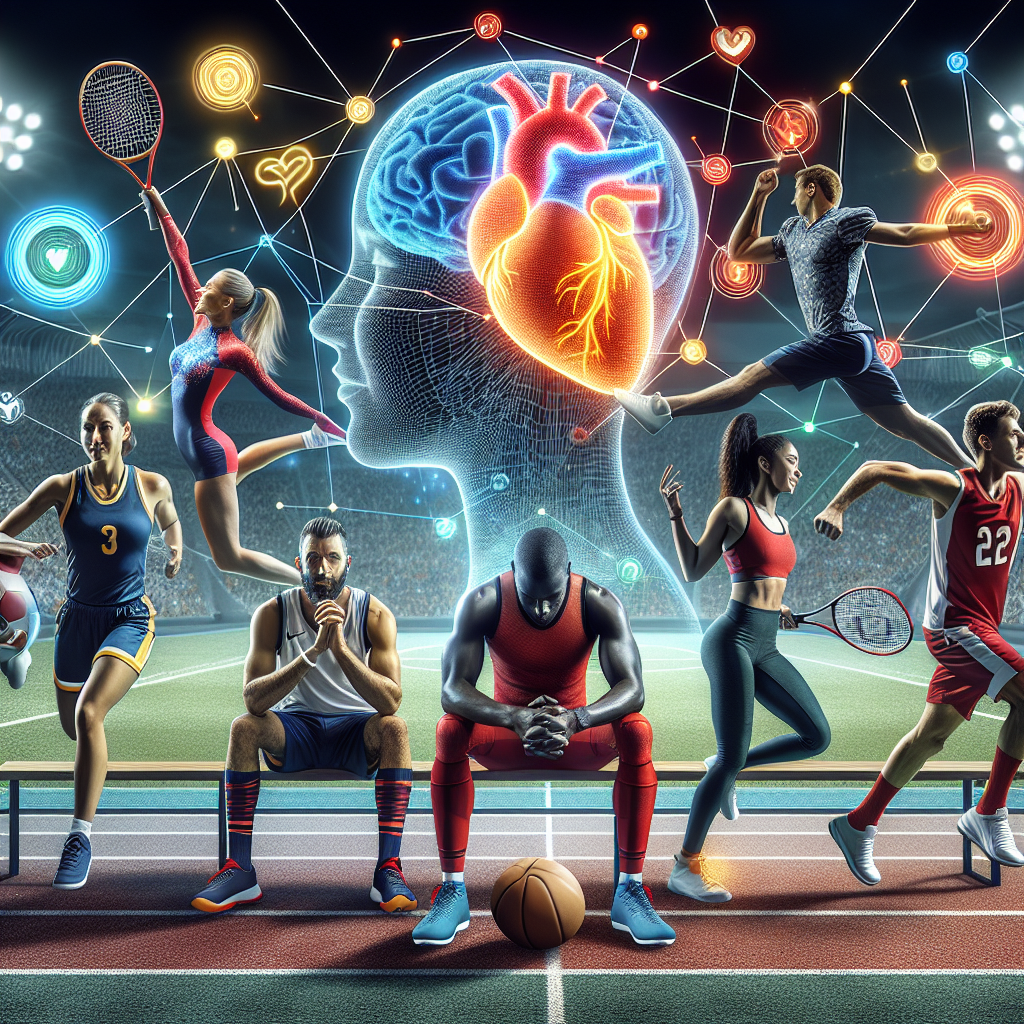
In the competitive world of sports, talent and physical prowess often steal the spotlight. However, an equally essential factor that can dictate a team’s success is often overlooked – emotional intelligence (EI). This nuanced capability encompasses the ability to recognize, understand, and manage one’s own emotions, while also being attuned to the emotions of others. In a team setting, emotional intelligence in sports serves as the foundation for team cohesion and overall success.
Imagine a scenario where a player misses a crucial shot in the final minutes of a game. The reaction of their teammates can range from encouragement to frustration. When surrounded by emotionally intelligent individuals, players tend to exhibit resilience, learn from failures, and uplift each other. This dynamic creates a nurturing environment, thereby enhancing performance on the field. In this article, we’ll explore why emotional intelligence in sports is indispensable, backed by compelling case studies, statistical evidence, and actionable insights.
What is Emotional Intelligence?
Emotional intelligence can be broken down into five core components:
- Self-awareness: The ability to recognize one’s emotions and their impact on behavior.
- Self-regulation: Managing one’s emotions in healthy ways.
- Motivation: Harnessing emotions to drive one’s goals and maintain a high level of performance.
- Empathy: Understanding the emotions of others, which helps in responding appropriately in various situations.
- Social skills: Navigating social complexities and managing relationships effectively.
These pillars form the backbone of emotional intelligence in sports, enabling athletes to not just coexist but thrive in a team environment.
Why Emotional Intelligence Matters in Sports
The Impact on Team Cohesion
The significance of emotional intelligence cannot be overstated when it comes to team cohesion. Teams with high levels of emotional intelligence are more likely to:
- Communicate Effectively: Open lines of communication foster understanding and trust among teammates.
- Resolve Conflicts: Teams with emotional intelligence manage conflicts better as players can empathize and communicate their feelings.
- Build Relationships: Strong interpersonal relationships catalyze collaboration and mutual support, both during practice and competitive situations.
Case Study: The New Zealand All Blacks
The All Blacks, New Zealand’s national rugby team, is a stellar example of how emotional intelligence promotes team cohesion and success. Their commitment to developing a strong team culture has made them the most successful sports franchise in history.
Analysis: The All Blacks employ a "No Dickheads" policy, prioritizing the emotional and social skills of players over mere talent. They emphasize collective responsibility, ensuring that each member is aware of their role in fostering a supportive team environment. As a result, their emotional intelligence as a unit contributes significantly to their performance on the field.
The Role of Emotional Intelligence in Performance
Enhancing Mental Resilience
Emotional intelligence in sports bolsters mental resilience, an essential trait for high-stakes environments. Athletes equipped with emotional intelligence can:
- Bounce Back from Setbacks: Players can manage their emotional responses and learn from failures.
- Focus under Pressure: Emotionally intelligent athletes maintain calm in high-pressure situations, enabling optimal performance.
Case Study: Michael Jordan
Michael Jordan, widely regarded as one of the greatest basketball players, epitomizes emotional resilience. His ability to channel criticism and failure into motivation showcases one facet of emotional intelligence in sports.
Analysis: Jordan’s emotional regulation and self-motivation helped him not only excel individually but also lift his team, the Chicago Bulls, to new heights. His resilience became a source of inspiration for his teammates, demonstrating the ripple effect of emotional intelligence within a team.
Emotional Intelligence Training in Sports
Programs for Development
Teams are increasingly recognizing the need to integrate emotional intelligence training into their regular routines. Various programs focus on enhancing emotional capabilities, which include:
- Mindfulness Techniques: Helps athletes both in self-awareness and self-regulation.
- Team-Building Exercises: Fosters trust and improves social skills.
Case Study: The Toronto Raptors
The Toronto Raptors have invested significantly in emotional intelligence training for their players, implementing programs that focus on mental health and emotional scalability.
Analysis: This approach paid dividends during their 2019 NBA Championship run. By fostering a supportive, understanding environment, the Raptors could manage the pressures of playoffs more effectively, showcasing emotional intelligence as a driving force behind their success.
Page 5: Emotional Intelligence and Leadership in Sports
The Coach’s Role
The role of coaching is critical in developing emotional intelligence within sports teams. Coaches need to embody emotional intelligence to cultivate a culture that promotes these skills among players.
- Modeling Behavior: Coaches who demonstrate emotional awareness and regulation encourage players to adopt similar behaviors.
- Feedback Mechanisms: Constructive feedback that recognizes emotional strengths and weaknesses fosters growth.
Case Study: Phil Jackson
Phil Jackson, famed for coaching the Chicago Bulls and Los Angeles Lakers, is renowned for his emotionally intelligent coaching style. His emphasis on "mindfulness" and team cohesion was instrumental in leading his teams to numerous championships.
Analysis: Jackson’s ability to connect with players on an emotional level fostered an environment of trust and collaboration, elements crucial for cohesive performance that led his teams to championship success.
Statistics on Emotional Intelligence in Sports
| Statistic | Insight |
|---|---|
| 70% of high-performing teams have high EI. | Correlates emotional intelligence and success. |
| 90% of top performers score high on EI. | Demonstrates a strong link between EI and performance. |
| Increased EI can enhance team performance by 20%. | Highlighting the significant impact of EI. |
Conclusion
The importance of emotional intelligence in sports cannot be underestimated. As teams aspire for excellence, cultivating emotional intelligence becomes a pivotal strategy to enhance team cohesion, performance, and overall success. By understanding and implementing emotional intelligence, athletes and coaches alike can create a supportive environment that fosters growth, resilience, and collaboration.
Inspirational Takeaway
As teams embark on their seasons, let the insight gained from successful teams propel your journey. Prioritize emotional intelligence as the key to unlocking not just individual potential but collective triumph. Together, the power of understanding emotions can lead to unforgettable victories on and off the field.
FAQs
1. How can emotional intelligence benefit my athletic performance?
Emotional intelligence helps in managing stress, enhancing communication with teammates, and building resilience after setbacks, all of which contribute to your performance.
2. Can emotional intelligence be learned?
Yes, emotional intelligence can be developed through training, self-reflection, and consistent practice, allowing athletes to improve their emotional skills over time.
3. What are some examples of emotional intelligence in sports?
Emotional intelligence can manifest in situations like managing conflict on the team, staying calm under pressure, or showing empathy towards teammates.
4. How can coaches foster emotional intelligence in their teams?
Coaches can model emotionally intelligent behavior, provide emotional skills training, and create an open environment that encourages communication.
5. Why is emotional intelligence considered a competitive advantage in sports?
Teams with high emotional intelligence can harness diverse emotions to foster a cohesive atmosphere that ultimately leads to better collaboration and performance, giving them a competitive edge.
With the right focus on emotional intelligence in sports, teams can navigate the challenges of competition and emerge not just as champions but as united forces striving for greatness.
About the Author