


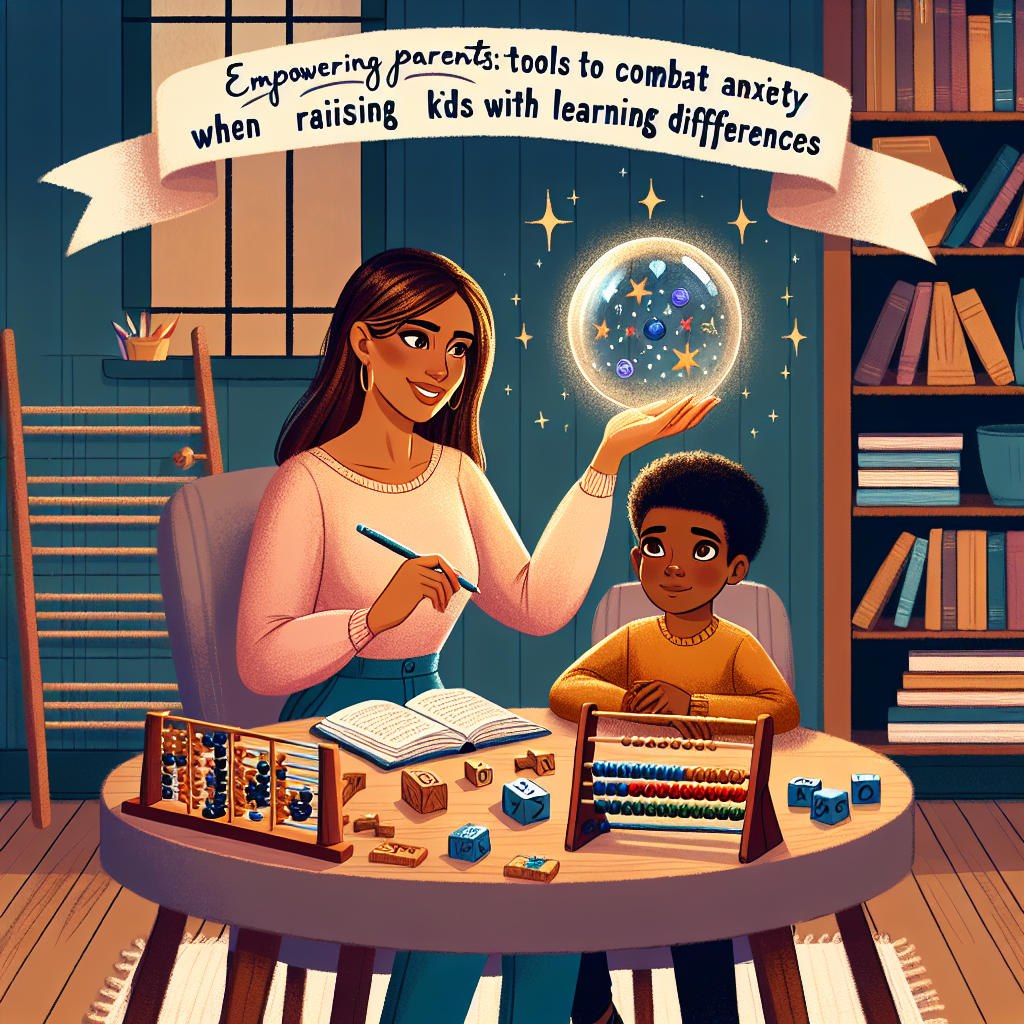
Empowering Parents: Essential Tools to Combat Anxiety When Raising Kids with Learning Differences
Introduction
Raising a child comes with its own set of challenges, but when your child has learning differences, those challenges can be amplified—often leading to heightened anxiety for parents. As guardians, our primary goal is to create a nurturing, supportive environment that fosters our children’s growth and self-esteem. However, the emotional toll of worry about educational barriers can be overwhelming. This article dives into the critical topic of empowering parents: tools to combat anxiety when raising kids with learning differences. By focusing on actionable strategies, shareable insights, and a community of support, we can transform our anxiety into empowerment.
Understanding Learning Differences
What Are Learning Differences?
Learning differences refer to a range of conditions that affect how a child processes information and learns. These may include dyslexia, ADHD, autism spectrum disorder, and more. Each condition presents its own challenges, yet they also provide unique strengths. Understanding your child’s specific learning differences is the first step towards empowerment.
The Impact of Learning Differences
Studies show that children with learning differences often face academic struggles, social hurdles, and emotional challenges. According to the National Center for Learning Disabilities, approximately 1 in 5 children in the United States experiences some form of learning disability. This high prevalence underscores the importance of parental support and intervention.
Embracing Your Role as an Advocate
The Importance of Advocacy
Advocacy involves standing up for your child’s educational rights, ensuring they receive the necessary support and resources. This might include communication with teachers, participation in IEP (Individualized Education Program) meetings, and networking with other parents.
Case Study: The Power of Parental Advocacy
Consider the case of Sarah, a mother of a child with dyslexia. After noticing her son was falling behind in reading, she took action. Engaging with teachers and learning specialists, Sarah pushed for an assessment and ultimately an IEP that tailored educational strategies to her son’s needs. Today, he is not only reading at grade level but has also developed a love for books, a change that Sarah attributes to her advocacy.
Tools for Effective Advocacy
- Educational Resources: Familiarize yourself with resources available in your school district.
- Networking: Build relationships with other parents who share similar concerns.
- Knowledge: Understanding your child’s rights under the Individuals with Disabilities Education Act (IDEA) will bolster your confidence.
Managing Anxiety: Strategies for Parents
Recognizing Your Feelings
The first step in combating anxiety is recognizing it. As a parent, feeling anxious about your child’s learning journey is both normal and common. Acknowledging these feelings can empower you to address them constructively.
Parent Self-Care
Taking care of your emotional health is vital. Practicing self-care can help mitigate anxiety, allowing you to be a more effective parent.
Techniques for Self-Care
- Mindfulness and Meditation: These practices can help center your thoughts and reduce stress.
- Physical Activity: Engaging in regular exercise releases endorphins, which boost your mood.
- Connect with Support Groups: Sometimes, sharing your concerns with others who understand can alleviate feelings of isolation.
Developing a Support Network
Building a community around you with other parents, educators, and professionals can significantly reduce feelings of anxiety. Support networks can offer practical advice, emotional support, and new resources.
Case Study: Community Action
A group of parents in a small town formed a support network to address the needs of children with learning differences. They organized workshops, shared resources, and collaborated with local schools to create an inclusive curriculum that reduced anxiety for both parents and students.
Communication: Key to Reducing Anxiety
Open Lines of Communication
Establishing open communication with your child is essential. Encourage them to express their feelings about school and their learning experiences.
Practical Tips for Effective Communication
- Active Listening: Make sure your child feels heard when discussing their struggles.
- Encouragement: Validate their feelings and let them know it’s okay to feel overwhelmed.
- Regular Check-Ins: Create a routine where you regularly ask about their day, schoolwork, and emotions.
Educational Tools and Resources
Tailored Learning Approaches
Different children benefit from various teaching methods. Exploring these diverse approaches can empower not just your child, but you as a parent.
Types of Learning Tools
- Multisensory Learning: Engaging multiple senses can be effective for children with dyslexia.
- Assistive Technology: Tools like text-to-speech software can enhance learning experiences.
- Online Resources: Websites offering free resources can provide additional practice and support.
Case Study: Technology in Action
Emily, a parent whose child struggled with writing, found that speech-to-text software significantly improved her child’s writing skills. The software allowed her child to focus on ideas without getting frustrated by the mechanics of writing.
Creating an Inclusive Home Environment
Creating a conducive learning atmosphere at home can also help combat anxiety.
Tips for an Inclusive Home
- Designated Study Space: Set up a quiet, distraction-free area for homework and studying.
- Incorporate Fun Learning Activities: Use games and hands-on activities to make learning enjoyable.
- Nightly Review: Spend 10-15 minutes at the end of each day reviewing what your child learned.
Understanding the Role of Teachers and Schools
Building Strong Relationships with Educators
The relationship between parents and teachers is vital. Teachers can be invaluable allies in advocating for your child’s needs and addressing any concerns as they arise.
Tips for Effective Communication with Teachers
- Schedule Regular Meetings: Keep an open line of communication by scheduling regular check-ins.
- Be Clear and Concise: When discussing concerns, be straightforward but also appreciate the teacher’s insights and suggestions.
Utilizing School Resources
Many schools offer resources beyond traditional teaching. Explore what extra support and services are available.
Case Study: School Collaboration
Liam’s parents worked closely with his school to implement a peer tutoring program that connected him with classmates who had different strengths. This not only improved Liam’s academic performance but also helped him forge friendships and build confidence.
Prioritizing Mental Health
Importance of Mental Wellness
For children with learning differences, mental health is as crucial as academic success. Effective support for emotional well-being can lead to a more balanced and fulfilling life.
Signs of Emotional Distress
As a parent, keep an eye out for signs of anxiety or frustration in your child.
Seeking Professional Help
Don’t hesitate to reach out for professional help if your child shows signs of emotional distress. Counseling and therapy can be impactful.
Case Study: Counseling Success
Rachel noticed that her son, who has ADHD, struggled with anxiety when tackling school projects. They sought out help from an educational psychologist who taught them coping strategies. The changes improved not only her son’s performance at school but also their home life, reducing Rachel’s anxiety.
Creating a Long-Term Plan
Setting Realistic Goals
As your child grows, setting achievable yet challenging goals for their academic journey is essential. Collaborate with teachers to develop individualized objectives.
Flexibility
Be flexible with your plans. Adapting strategies based on your child’s evolving needs will reduce the overall anxiety for you and your child.
Conclusion
Empowering parents: tools to combat anxiety when raising kids with learning differences is about fostering resilience, building support systems, and advocating effectively. The journey may be challenging, but with the right tools, knowledge, and community, parents can create an environment where their children can thrive.
Let this be a call to action: transform your anxiety into empowerment. Equip yourself with the tools and insights discussed, and remember that you’re not alone. Together, we can create a more supportive landscape for all children with learning differences.
FAQs
1. What are learning differences?
Learning differences are unique ways children process information and may include conditions like dyslexia, ADHD, and autism.
2. How can I support my child emotionally?
Practicing open communication, engaging in self-care, and seeking professional help when necessary can provide emotional support.
3. What role do teachers play in supporting children with learning differences?
Teachers can offer tailored strategies, resources, and a sympathetic ear, acting as crucial partners in your child’s educational journey.
4. What is an IEP?
An Individualized Education Program (IEP) outlines specific educational goals and services for children with disabilities, ensuring they receive the support they need.
5. Can technology help students with learning differences?
Yes, assistive technology like speech-to-text software can enhance learning experiences, helping children engage better with their studies.
By adopting these strategies and tools, we can effectively combat anxiety and cultivate a nurturing environment for our children—a journey we can embark on together, hand in hand.

