


Introduction
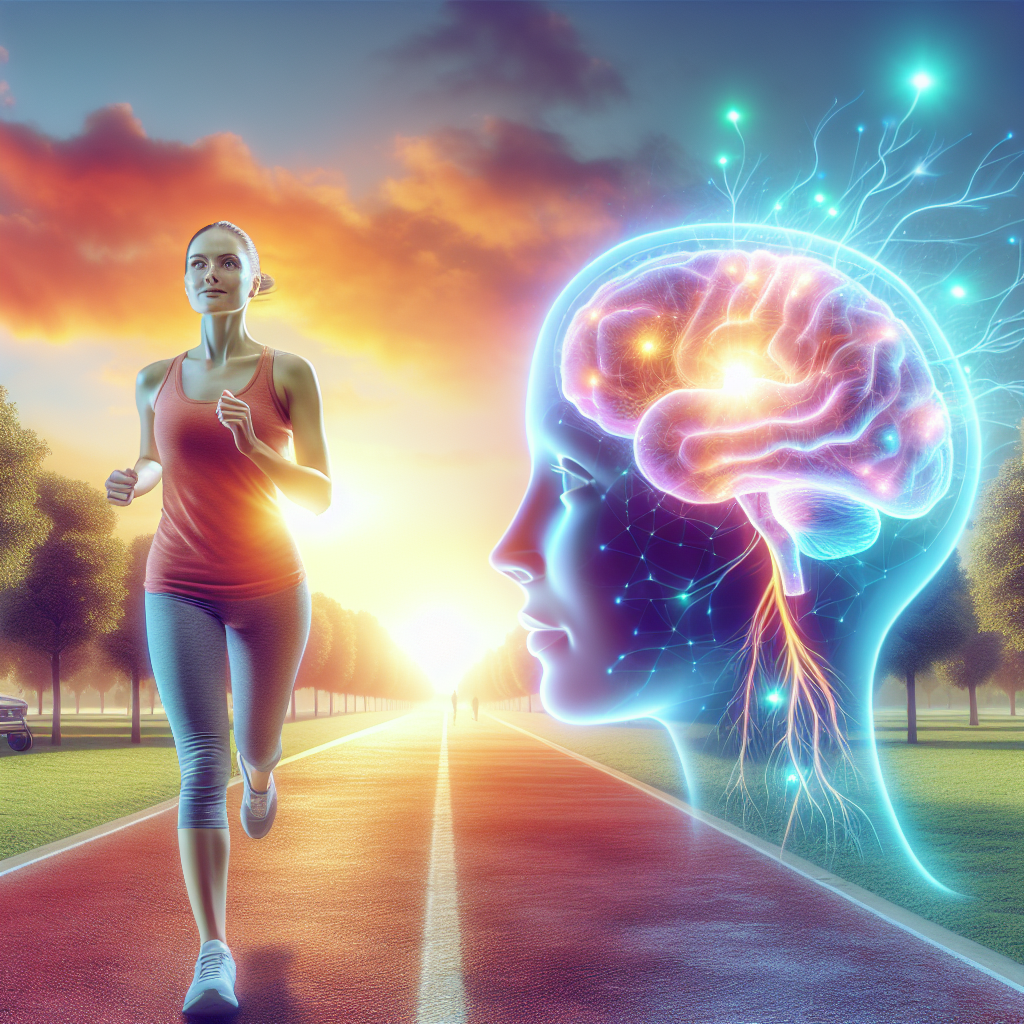
Imagine unlocking the full potential of your brain with a simple and enjoyable activity: exercise. In our fast-paced world, where mental health struggles are increasingly common, the intersection of physical activity and brain health has gained prominence. Exercise and Brain Health: The Impact of Physical Activity on Recovery is a potent yet often underestimated topic. Regular physical activity not only strengthens our bodies but also enhances mental clarity, emotional stability, and cognitive functions, fostering a holistic recovery process.
As we delve deeper into this compelling relationship, myriad studies and real-life transformations will illustrate the profound effects of physical activity on brain health, bridging the gap between mind and body.
The Science Behind Exercise and Brain Health
Understanding the Brain’s Plasticity
At the core of the discussion about Exercise and Brain Health: The Impact of Physical Activity on Recovery is the concept of neuroplasticity—the brain’s ability to adapt and reorganize itself. Every minute we spend exercising leads to the release of neurotransmitters such as endorphins and serotonin, which play vital roles in mood regulation and cognitive function.
Key Mechanisms of Neuroplasticity:
- Neurogenesis: The process of forming new neurons, particularly in the hippocampus, which is crucial for memory and learning.
- Synaptogenesis: The creation of new synapses or connections between neurons, enhancing communication within the brain.
The Hormonal Symphony
Exercise stimulates the release of numerous hormones that aid in mental recovery:
- Endorphins: Known as natural painkillers, they elevate mood and promote a sense of well-being.
- Cortisol: While often viewed negatively, moderate levels of this stress hormone can be beneficial during recovery.
Incorporating consistent physical activity is essential for maintaining optimal hormonal balance.
Types of Exercise and Their Impact
Aerobic Exercise
Aerobic workouts like running, swimming, or biking significantly boost cardiovascular health, driving increased blood flow to the brain. This enhances nutrient delivery and oxygenation, which are essential for optimal cognitive functioning.
Case Study: The Runner’s High
In a longitudinal study conducted by researchers at the University of Texas, participants engaged in regular running experienced marked improvements in memory and executive functioning. The findings suggest that aerobic exercise catalyzes brain health recovery following mental fatigue or psychological trauma.
Resistance Training
Though often overlooked, strength training plays a pivotal role in promoting neural health. Studies indicate that resistance training can enhance executive functions, improve processing speed, and even mitigate symptoms of anxiety and depression.
Case Study: Strength Training and Memory
Research published in the journal Neuropsychology found that older adults who engaged in resistance training showed significant improvements in memory recall compared to those who did not exercise. This underscores the importance of varied exercise regimes in enhancing brain health.
Mind-Body Exercises
Yoga and Tai Chi blend physical movement with mental discipline, reducing stress and promoting mindfulness. The calming effects of these mind-body exercises contribute to cognitive recovery by lowering cortisol levels and improving focus.
Case Study: Yoga and Cognitive Health
A study in the Journal of Physical Activity and Health demonstrated that participants practicing yoga regularly reported improved memory and concentration levels, illustrating the benefits of these exercises on cognitive recovery.
The Connection Between Exercise and Mental Health Recovery
Combatting Depression and Anxiety
One of the most significant findings regarding Exercise and Brain Health: The Impact of Physical Activity on Recovery is its effectiveness in treating depression and anxiety. Exercise elevates mood, reduces feelings of stress, and provides a sense of accomplishment.
Key Studies:
- A meta-analysis in JAMA Psychiatry verified that regular physical activity led to a reduced risk of depression, highlighting its role as a preventive measure.
- A study conducted by Harvard University researchers found that cycling for just 30 minutes daily can reduce symptoms of depression significantly.
Boosting Cognitive Functioning
Regular exercise has been shown to enhance various cognitive functions, such as memory, attention, and problem-solving skills. This is vital for individuals recovering from brain injuries, strokes, or cognitive decline.
Neuroprotective Effects
Research indicates that physical activity has neuroprotective effects that may shield the brain from aging-related cognitive decline.
Enhanced Sleep Quality
The relationship between exercise and improved sleep quality underscores its impact on recovery. Quality sleep is imperative for memory consolidation and emotional regulation, both critical for comprehensive brain health.
Tables and Charts
Table 1: Impact of Different Types of Exercise on Brain Functions
| Type of Exercise | Cognitive Benefits | Psychological Benefits |
|---|---|---|
| Aerobic Exercise | Improved memory, faster processing | Elevated mood, reduced anxiety |
| Resistance Training | Enhanced executive function | Increased self-esteem, confidence |
| Mind-Body Exercises | Better focus, lower stress | Enhanced mindfulness, emotional balance |
Chart 1: The Hormonal Response to Exercise
- Exercise Intensity: Various physical activities result in different levels of endorphin release (low, moderate, and high intensity).
- Mood Improvement Index: Correlation between exercise intensity and mood elevation.
Practical Tips for Incorporating Exercise into Daily Life
To maximize the benefits of Exercise and Brain Health: The Impact of Physical Activity on Recovery, incorporating physical activity into everyday routines is essential. Here are some actionable insights:
- Set Small Goals: Begin with short workouts and gradually increase intensity.
- Find Fun Activities: Choose exercises that you enjoy, from dancing to hiking, to increase adherence.
- Engage Socially: Join classes or groups that offer community support and accountability.
- Integrate Movement: Take brief walking breaks during the day to refresh your mind.
Conclusion
Exercise is not merely about managing physical health—it’s a multifaceted approach that profoundly impacts our brain. From improving cognitive function to enhancing emotional resilience, the evidence for Exercise and Brain Health: The Impact of Physical Activity on Recovery is compelling. As we nurture our bodies through physical activity, we pave the way for a sharper, healthier brain.
Actionable Takeaway
Start today! Incorporate just 20-30 minutes of physical activity into your daily routine and witness the transformative effects on your brain health over time.
FAQs
1. How much exercise do I need for significant brain health benefits?
Most experts recommend at least 150 minutes of moderate aerobic activity per week, complemented by muscle-strengthening activities.
2. Can exercise help with recovery from brain injuries?
Yes, exercise is shown to support recovery after brain injuries by enhancing cognitive function and promoting neuroplasticity.
3. What types of exercise are particularly beneficial for mental health?
Aerobic exercises, strength training, and mind-body practices like yoga or Tai Chi are all beneficial for mental health.
4. Is there a specific time of day that is best for exercising?
The best time to exercise is subjective; choose a time that fits your schedule and ensures you are consistent.
5. Can I still benefit from exercise if I have mobility issues?
Absolutely! There are many low-impact exercises and adaptive strategies that can provide substantial benefits for brain health. Always consult a medical professional to tailor the approach to individual capabilities.
By embracing the dance between physical activity and mental health, we can unlock new potentials for healing, recovery, and enriched living. Let’s make movement a staple in our lives for a brighter, healthier future!


The PsyForU Editorial Collective is the research and editorial team of PsyForU Research International. The collective prepares educational, psychological, mental-health-awareness, inclusion, neurodiversity, and research-methodology content for students, parents, educators, researchers, and general readers. PsyForU content is intended for awareness, education, and capacity-building and should not be treated as clinical diagnosis, therapy, medical advice, legal advice, or emergency mental-health support.