Introduction
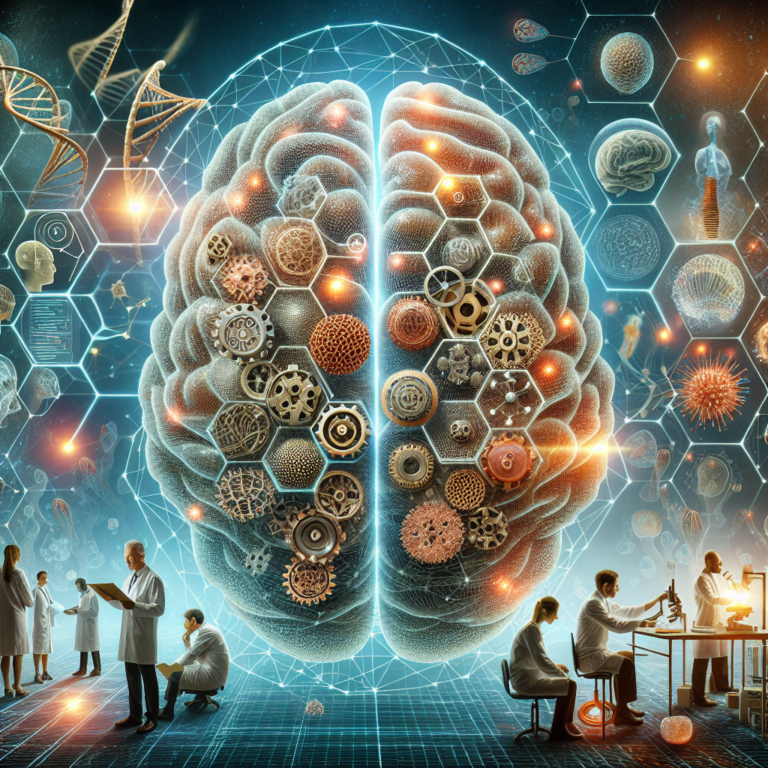
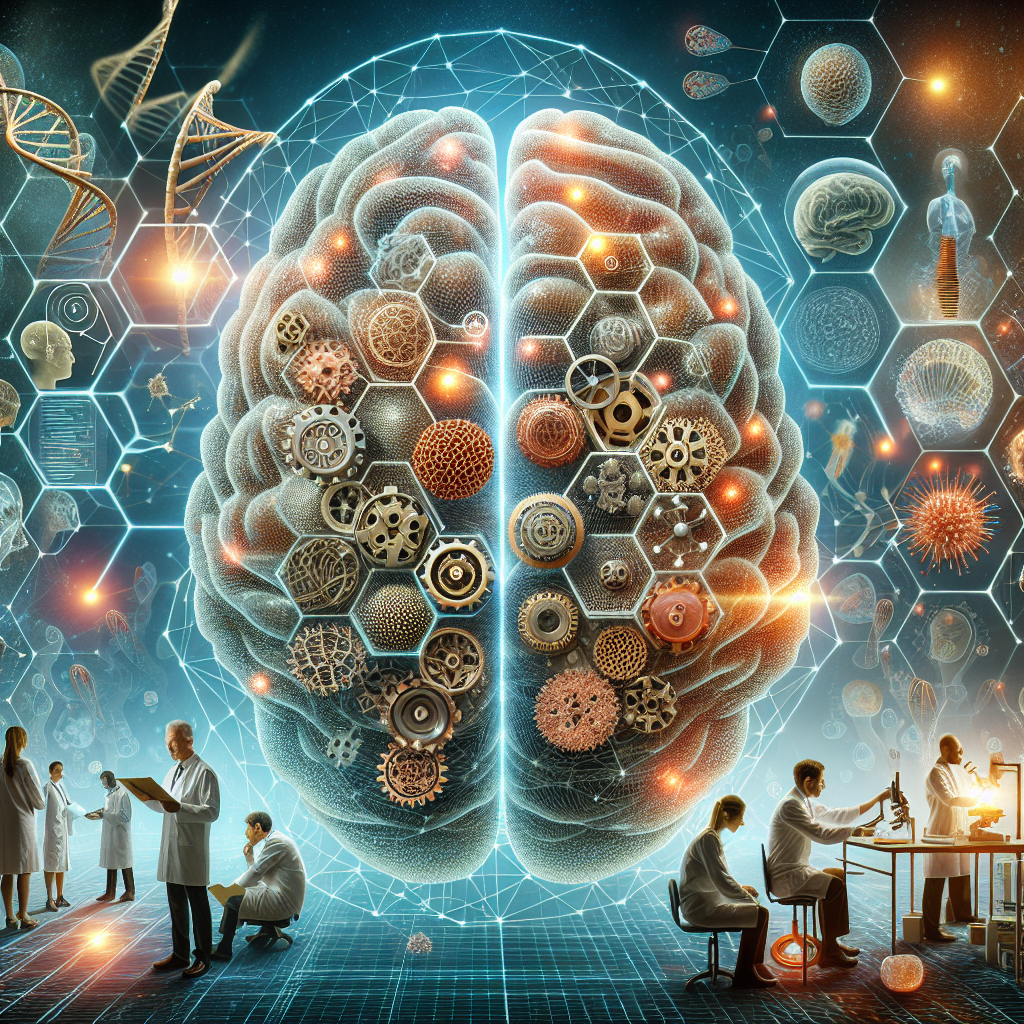
Acquired brain injury (ABI) affects millions of individuals each year, whether through trauma, stroke, or infections. The significance of researching and understanding ABI treatment can’t be overstated. With advances in technology and neurosciences, the possibilities for recovery are constantly evolving. This article, Exploring the Latest Research on Acquired Brain Injury Treatment, delves into cutting-edge methods, innovative therapies, and hopeful outcomes, equipping survivors and caregivers with invaluable insights.
Understanding Acquired Brain Injury
What is Acquired Brain Injury?
Acquired brain injury refers to any damage to the brain that occurs after birth. It can arise from various causes such as:
- Traumatic injuries (e.g., falls, car accidents)
- Non-traumatic injuries (e.g., stroke, tumors)
- Medical conditions (e.g., infections, hypoxia)
The Impact of ABI
The effects of ABI can be profound and wide-ranging, often affecting cognitive functions, emotional health, and physical abilities. Survivors may experience challenges in memory, speech, movement, and daily activities, necessitating comprehensive treatment strategies.
The Evolution of Treatment Approaches
Traditional Approaches
Historically, treatment for ABI focused on acute care, emphasizing stabilization and rehabilitation. Techniques often included:
- Physical therapy
- Occupational therapy
- Speech therapy
While these are still essential components of care, recent research has opened new avenues for additional interventional strategies.
Innovative Therapies
Recent research within Exploring the Latest Research on Acquired Brain Injury Treatment highlights a myriad of innovative therapies:
Neuroplasticity and Rehabilitation
- Neuroplasticity is the brain’s ability to reorganize itself by forming new neural connections. Therapies leveraging this concept aim to harness recovery potential through repetitive motion and practice.
Virtual Reality (VR) Therapy
- VR has emerged as an exhilarating tool for rehabilitation. Recent studies show that it can simulate environments where patients practice motor skills safely and engagingly.
Cognitive Rehabilitation
- Targeting cognitive aspects of ABI, this therapy focuses on improving memory, attention span, and decision-making skills through specific tasks that challenge the brain.
- Pharmacological Advances
- New medications aimed at protecting brain cells and enhancing recovery are being explored. These include neuroprotectants and agents that promote neurogenesis.
Case Study: The Power of VR Therapy
Background: A 35-year-old male suffered a traumatic brain injury in a motorcycle accident, resulting in impaired motor functions and cognitive difficulties.
Intervention: The patient was enrolled in a VR therapy program focusing on hand-eye coordination and memory tasks parallel to everyday activities.
Outcome: Over a 12-week period, assessments showed significant improvement in motor skills and cognitive function. This reinforces the idea that Exploring the Latest Research on Acquired Brain Injury Treatment reveals promising avenues for rehabilitation.
Emerging Technologies in ABI Treatment
Telehealth in Rehabilitation
Telehealth has expanded access to ABI treatment, allowing patients to receive therapy from home. Recent studies indicate that remote therapy can match in-person sessions’ efficacy, particularly for cognitive rehabilitation.
Wearable Technology
Wearable devices are being employed to monitor patient progress and brain health. These tools offer real-time feedback on cognitive and physical performance, enabling personalized treatment plans.
| Technology | Benefits | Applications |
|---|---|---|
| Telehealth | Accessibility | Remote rehabilitation sessions |
| Wearable Devices | Real-time monitoring | Fitness, cognitive tracking |
The Role of Caregivers and Family Support
Why Caregiver Support is Key
Caregivers play a vital role in the recovery of individuals with ABI. Family support significantly impacts emotional well-being, adherence to treatment, and overall recovery outcomes.
Strategies for Caregiver Involvement
- Educating themselves on ABI to understand challenges faced by the survivor.
- Encouraging participation in therapies by setting up routine exercises at home.
- Emotional support, fostering a positive environment for recovery.
Current Research Directions
Future Frontiers in ABI Treatment
As we continue Exploring the Latest Research on Acquired Brain Injury Treatment, we encounter various exciting avenues for future research:
Stem Cell Therapy
- Investigational therapies exploring the potential of stem cells to repair and regenerate brain tissue offer hope for patients with severe injuries.
Gene Therapy
- The manipulation of genes responsible for brain repair and growth is emerging as a possible treatment, providing optimism for the future of ABI recovery.
- Artificial Intelligence and Machine Learning
- AIs are being developed to personalize treatment plans through data analysis, potentially revolutionizing recovery pathways.
Case Study: Gene Therapy Research
Background: A clinical trial focused on gene therapy for patients with chronic ABI showed promising potential in enhancing neural repair.
Hypothesis: By introducing genes that promote nerve growth, researchers aimed to facilitate recovery.
Outcome: Early results demonstrated improved functional outcomes in participants, highlighting the exciting future of ABI research.
Conclusion
As we have seen throughout this insightful exploration of Exploring the Latest Research on Acquired Brain Injury Treatment, the future holds great promise for innovative therapies and techniques aimed at recovery. There is hope for many who navigate the challenges of ABI. The valuable insights gathered underscore the importance of staying informed, advocating for research-backed treatment options, and actively participating in recovery pathways.
Motivational Takeaway
If you or a loved one is affected by ABI, remember: recovery is a journey filled with possibilities. Embrace the advancements, advocate for your needs, and remain resilient in the face of challenges.
FAQs
1. What are the common causes of acquired brain injury?
Common causes include traumatic impacts from accidents, strokes, infections, and lack of oxygen to the brain (hypoxia).
2. How does neuroplasticity aid in recovery from ABI?
Neuroplasticity refers to the brain’s ability to reorganize itself. Rehabilitation aims to strengthen pathways and form new connections, aiding movement and cognitive recovery.
3. Are there any new medications for treating ABI?
Yes, ongoing research is exploring the efficacy of various neuroprotective medications and agents that stimulate brain cell growth and repair.
4. How effective is virtual reality in ABI rehabilitation?
Studies indicate that VR therapy can be highly effective, allowing patients to engage in simulated real-world tasks that enhance motor skills and cognitive function.
5. What is the role of family support in ABI recovery?
Family support is crucial, as emotional encouragement and practical assistance can significantly boost recovery outcomes. Educating oneself on ABI can help families better assist their loved ones.
By embracing the latest findings and being proactive in treatment choices, we can improve the lives of those affected by acquired brain injury, empowering them towards recovery and a brighter future.
About the Author


Dr. Jonathan Reed, Cognitive Psychology and Behavioral Therapy
Dr. Reed specialises in understanding the inner workings of the human mind, focusing on cognitive processes, memory, and decision-making. His articles delve into how cognitive-behavioral therapy (CBT) can help individuals reshape thought patterns and behaviours.