


Introduction
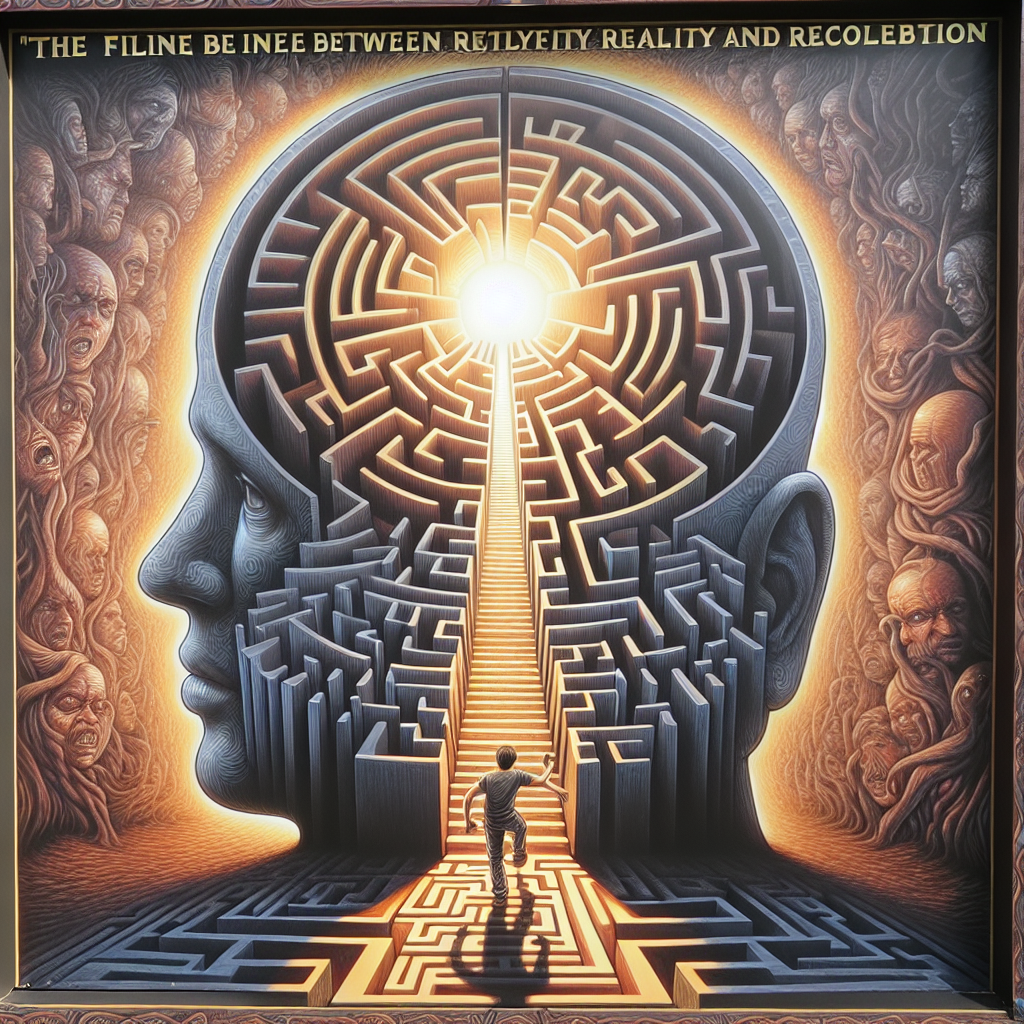
Imagine recalling a vivid childhood memory, one that feels so real it could be mistaken for a photograph—only to find that the event you remember never actually happened. This is the astonishing and often troubling phenomenon known as False Memory Syndrome: The Fine Line Between Reality and Recollection. As we delve deeper into this intricate subject, we’ll discover just how fragile our memories can be, how they can be influenced by external factors, and the implications this has on our understanding of personal identity, the legal system, and mental health.
False Memory Syndrome is more than just a curious psychological occurrence; it has far-reaching implications. From the courtroom to the therapist’s office, the flexibility of memory can cause immense confusion and even lead to devastating consequences. As we explore the nuances of this phenomenon, we will uncover essential insights that could revolutionize how we view our recollections and the memories of those around us.
Understanding Memory: The Basics
What Is Memory?
Memory is a complex process that allows us to encode, store, and retrieve information. This process involves several stages:
- Encoding: Transforming sensory input into a form that can be stored.
- Storage: Maintaining encoded information over time.
- Retrieval: Accessing and recalling that stored information when needed.
These stages are influenced by various factors such as emotional state, social context, and cognitive biases.
Types of Memory
Memory can be broadly categorized into:
- Short-term Memory: A temporary storage system that holds information for brief periods.
- Long-term Memory: Once information is consolidated, it becomes part of our long-term memory, where it can remain for years.
Further, long-term memory can be divided into:
- Declarative Memory: Facts and events that we can consciously recall.
- Procedural Memory: Skills and tasks that we perform without conscious thought.
The Science Behind False Memory Syndrome
What Is False Memory Syndrome?
False Memory Syndrome refers to the phenomenon where individuals recall events that never occurred or remember them inaccurately. This can range from minor details to major life events. As we delve deeper, we will examine how false memories are formed, the psychological processes involved, and actual case studies that illustrate their real-world impact.
How False Memories Are Created
Research indicates that false memories can arise from various sources:
- Social Influence: Conversations or suggestions from others can alter our recollections.
- Media Exposure: News reports, movies, and other media can shape our memories of events.
- Therapeutic Techniques: Certain therapeutic approaches can inadvertently create false memories when patients are encouraged to delve into past experiences.
The Role of Suggestibility
Research in cognitive psychology has highlighted a fascinating aspect of memory: suggestibility. Highly suggestible individuals are more likely to develop false memories after encountering misleading information. This has profound implications in scenarios where eyewitness testimony is deemed critical.
Case Study: The “Lost in the Mall” Experiment
One of the most famous studies on false memory is the “Lost in the Mall” Experiment conducted by Elizabeth Loftus. In this study, participants were provided with a narrative that included their own true memories along with the suggestion that they had been lost in a shopping mall as children. Astonishingly, a significant number of participants developed a detailed false memory around this fabricated event.
Relevance to False Memory Syndrome
This landmark study exemplifies False Memory Syndrome: The Fine Line Between Reality and Recollection by showing how manipulated narratives can lead to the creation of vivid yet false memories. In daily life, the implications of such occurrences can be distressing, affecting relationships, self-perception, and even legal outcomes.
Legal Implications of False Memory
Eyewitness Testimony
Eyewitness accounts are often regarded as vital evidence in courts of law, yet increasingly, psychological research suggests that such testimonies are far from infallible. False memories can lead individuals to confidently misidentify a suspect, impacting wrongful convictions and potentially ruining lives.
Case Study: The Ronald Cotton Case
A telling example is that of Ronald Cotton, wrongfully convicted for a crime he did not commit based largely on eyewitness identification. Years later, DNA evidence exonerated him, but not before he spent over a decade in prison. His case underscores the precariousness of relying on memory concerning legal judgments.
Lessons Learned
This instance serves as a cautionary tale. It highlights the need for judicial systems to consider psychological findings concerning memory reliability, thus providing greater safeguards against erroneous testimonies.
The Role of Forensic Psychology
Forensic psychologists play a crucial role in evaluating the credibility of memories in legal contexts. Their work involves assessing suggestibility, providing insights into the likelihood of false memories, and offering guidance on how memory can be affected during interrogation processes.
Therapeutic Context: The Risk of Creating False Memories
Therapeutic Techniques
In therapeutic settings, various techniques aim to help patients recover memories that may aid in healing. However, techniques like guided imagery and leading questions can inadvertently lead to false memory creation.
Case Study: The Repressed Memory Controversy
The 1990s saw a surge in the recovery of repressed memories in therapy, often involving individuals recalling childhood abuse. Some of these memories later proved to be fabricated or distorted, igniting ethical and legal debates within therapeutic communities.
Understanding the Impact
The fallout from these cases led to widespread misunderstanding of the phenomenon of false memories, resulting in stigma for both therapists and patients. It also emphasized the necessity of employing ethical practices when working in therapeutic environments.
Cognitive Biases and Memory Distortion
The Impact of Emotion
Emotional experiences are often encoded more intensely than neutral ones, leading to a false sense of clarity and accuracy over time. However, heightened emotions can also distort memories, making them more susceptible to alteration.
Memory Reconstruction
Memory is not a playback of events but rather a reconstruction. Each time we recall a memory, we may inadvertently alter it—adding details, losing context, or misremembering aspects. This reconstructive nature underscores the essence of False Memory Syndrome: The Fine Line Between Reality and Recollection, illustrating how memories can shift over time.
Table: Factors Influencing Memory Accuracy
| Factor | Influence on Memory |
|---|---|
| Emotional State | Can enhance or distort recall due to general intensity |
| Age of Individual | Younger individuals may have less reliable memories |
| Contextual Details | Familiar contexts can lead to more accurate memories |
| Social Interactions | Conversations can introduce new information that alters recall |
Navigating Between Reality and Recollection
Strategies to Avoid False Memories
While we cannot eliminate false memories entirely, several strategies can help mitigate their occurrence:
- Critical Thinking: Encourage skepticism about memories, especially those that feel too vivid or overly detailed.
- Journaling: Keeping a journal can help solidify real memories while also serving as a reference for future recollections.
- Mindfulness Practices: Techniques that enhance present-moment awareness can aid in solidifying memories accurately.
Conclusion
In examining False Memory Syndrome: The Fine Line Between Reality and Recollection, we uncover a complex interplay of memory, perception, and identity. As we have viewed through the myriad case studies and implications, our memories can betray us, leading us down paths of confusion and falsehood. The importance of understanding this phenomenon is paramount—whether in the realms of therapy, law, or personal identity.
As we navigate a world rife with information and emotional experiences, increasing our awareness of the fallibility of our memories can empower us. By fostering a culture of critical reflection and open discussion about memory, we can cultivate a greater understanding of ourselves and those around us. Ultimately, our recollections, while foundational to our identities, are not infallible accounts of reality but rather complex narratives shaped by time and experience.
FAQs
1. What is the difference between a false memory and a regular memory?
A false memory refers to recollections of events that either did not happen or differ significantly from how they occurred. In contrast, a regular memory pertains to events that are accurately recalled.
2. Can false memories affect relationships?
Yes, false memories can lead to misunderstandings and conflicts in relationships, particularly if individuals recall events differently or remember things that never occurred.
3. How can I distinguish between true and false memories?
While difficult, being aware of specific details, context, and emotional triggers can help. Engaging with trusted individuals to validate memories can provide clarity.
4. What role does suggestibility play in forming false memories?
Suggestibility refers to how easily an individual’s memory can be influenced by external suggestions. Individuals who are highly suggestible may be more prone to developing false memories after a misleading prompt.
5. Are there therapeutic approaches to deal with false memories?
Therapeutic approaches include cognitive-behavioral therapy and mindfulness practices that focus on validating memories while promoting a deeper understanding of emotional experiences. It’s vital to work with a qualified professional to navigate these challenges effectively.
Feel free to expand on any sections you find particularly interesting or want to add more depth to, particularly the case studies or the strategies to avoid false memories!


The PsyForU Editorial Collective is the research and editorial team of PsyForU Research International. The collective prepares educational, psychological, mental-health-awareness, inclusion, neurodiversity, and research-methodology content for students, parents, educators, researchers, and general readers. PsyForU content is intended for awareness, education, and capacity-building and should not be treated as clinical diagnosis, therapy, medical advice, legal advice, or emergency mental-health support.