The Ultimate Guide: Feel Free to Adjust Any of These to Better Fit Your Target Audience or Focus!
Introduction
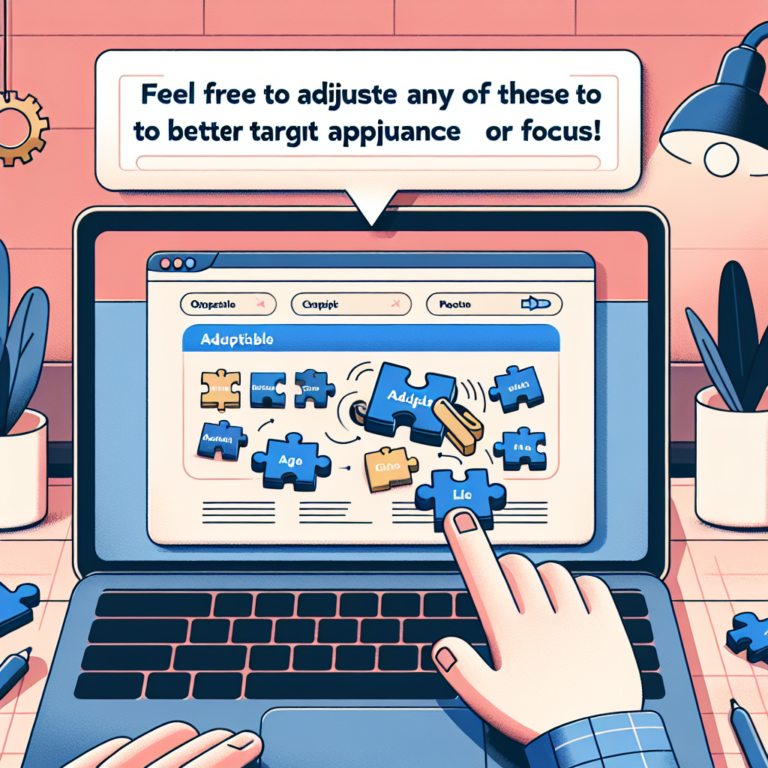
In the ever-evolving landscape of communication, marketing, and personal development, the phrase "Feel free to adjust any of these to better fit your target audience or focus!" stands out as a beacon of adaptability. Whether you’re crafting a compelling marketing campaign or designing a personalized learning experience, the ability to adjust your approach based on your audience is crucial. This article explores how adjusting your strategies can lead to greater engagement, improved outcomes, and lasting connections.
Let’s dive into the world of adaptability and discover the genuine value it adds to our interactions, decisions, and future successes.
Understanding the Concept of Adjustment
The Importance of Tailoring
Tailoring your message or approach to suit your audience isn’t just good practice; it’s essential. Think of it as tuning an instrument before a performance. A musician wouldn’t play off-key, and similarly, you shouldn’t present a generic message.
- Engagement: A personalized approach increases the likelihood that your audience will react positively.
- Relevance: By understanding your audience’s needs and preferences, you can provide relevant solutions.
- Connection: Tailoring messages fosters a sense of understanding and community.
Case Study: The Power of Personalization
Consider a well-known case study from online retail giant Amazon. Their recommendation system is a prime example of how adjustments based on user behavior can enhance the shopping experience. By analyzing purchase history and browsing patterns, Amazon tailors product suggestions, leading to increased sales and customer satisfaction. This level of personalization exemplifies how adjusting your strategy can yield tangible results.
Table 1: Benefits of Tailoring Your Strategy
| Benefit | Description |
|---|---|
| Enhanced Engagement | Personalized content resonates with audiences. |
| Increased Relevance | Solutions directly address audience needs. |
| Strengthened Trust | Adjusted messaging builds stronger connections. |
Crafting Your Message
Know Your Audience
Understanding who you’re speaking to is the first step in effectively tailoring your message. Here are some methods for gathering information about your target audience:
- Surveys and Questionnaires: These tools gather direct feedback from your audience regarding their preferences and needs.
- Social Media Analytics: Platforms like Facebook and Twitter provide insights into who interacts with your content.
- SEO Research: Pay attention to search trends and keywords to understand what your audience is looking for.
Case Study: Coca-Cola’s "Share a Coke" Campaign
Coca-Cola’s successful "Share a Coke" campaign illustrates the importance of knowing your audience. The company replaced its brand name on bottles with popular names, enticing consumers to find and share their personalized Coke. This adjustment resonated deeply with consumers, leading to a 2% increase in U.S. sales after more than a decade of decline.
Creating Versatile Content
As you craft your message, consider creating content that can be easily adjusted. This might mean developing templates that can be personalized or using dynamic content that changes based on user input.
Chart 1: Content Versatility Matrix
| Content Type | Highly Adjustable | Minimal Adjustability |
|---|---|---|
| Blog Posts | ✅ | |
| Email Campaigns | ✅ | |
| Social Media Ads | ✅ | |
| Webinars | ✅ |
Techniques for Effective Adjustment
Testing and Feedback
Monitor the effectiveness of your approach. A/B testing can provide valuable insights into how various adjustments are perceived by your audience.
- Example: If you launch two email campaigns with different subject lines, analyze which version garners higher open rates. Adjust accordingly in your future communications.
Use of Analytics
Data-driven decisions pave the way for more informed adjustments. Tools like Google Analytics can reveal which content resonates most with your audience, allowing you to fine-tune your message for maximum impact.
The Art of Storytelling
Engaging narratives captivate audiences. Adjust your stories to reflect relatable experiences or culturally relevant references. This will enhance connection and retention.
Case Study: Nike’s “Just Do It”
Nike’s iconic slogan embodies adjustment perfectly. The brand consistently tailors its messaging to inspire, encourage, and relate to various groups, whether athletes or casual consumers. Their diverse campaigns resonate across demographics, reinforcing the need to adjust messages for more significant impact.
Establishing an Adjusted Focus
Goal Setting
Define clear, measurable objectives for your adjustments. Understand whether you are aiming to increase engagement, raise awareness, or drive sales. Having specific goals will help to focus your adjustments effectively.
Continuous Learning
Encouraging feedback and staying updated with industry trends is vital. Your audience’s preferences may change, so remaining flexible allows you to adjust efficiently and remain relevant.
Case Study: Spotify Personalization
Spotify successfully engages users with its "Discover Weekly" feature that offers personalized playlists based on listening habits. The platform continually adjusts and learns from user interactions, creating a highly engaging experience.
Conclusion
“Feel free to adjust any of these to better fit your target audience or focus!” serves not just as a slogan but as a guiding principle. Adapting your strategies based on audience insights can dramatically enhance engagement and effectiveness. By continuously learning and refining your approach, you can foster genuine connections, boost your impact, and ensure lasting success.
Key Takeaway
As you navigate the complexities of communication and strategy, remember the power of adaptability. Not only does it reflect a commitment to your audience, but it establishes you as a credible and responsive leader in your field.
FAQs
1. What are the benefits of personalizing content?
Personalizing content enhances engagement, increases relevance, and strengthens trust with your audience.
2. How can I gather insights about my audience?
Utilize surveys, social media analytics, and SEO research to learn more about your target audience’s preferences and needs.
3. What is A/B testing?
A/B testing involves comparing two versions of content to determine which performs better among your audience.
4. Why is storytelling effective in adjustments?
Storytelling helps build connections with your audience, making your message more relatable and memorable.
5. How often should I adjust my strategy?
Regular adjustments based on data, feedback, and changing trends are crucial. Monthly reviews ensure you’re staying relevant.
6. What tools can help with analytics?
Google Analytics, social media insights, and customer feedback platforms are excellent tools for gathering analytical data to support adjustments.
Implementing these strategies and embracing the mindset of adaptability can revolutionize how you engage with your audience, leading to profound impacts in various domains of life and work. Feel free to adjust any of these to better fit your target audience or focus!
About the Author